I started paddleboarding the way a lot of people in Sacramento start: I saw a board on top of someone's car and thought it looked easier than it is. Now I'm five years in, mostly on Tahoe's east shore around Sand Harbor and Hidden Beach, with Jenkinson Lake at Sly Park as the closer-to-home water when I don't want to fight Highway 50 traffic. The lower American near Sutter's Landing is the close option for an after-work hour. Loon and Echo when I want the high-Sierra quiet.
What kept me paddling past the novelty year was speed. Specifically: trying to get faster. There's a math to a long flatwater paddle that I find interesting, partly because I'm bad at it and the bad part is fixable. I've done a few local races. I'm what I'd call serious recreational, race-curious, definitely not pro. I have not done a full-day downwinder. I have never paddled open ocean. The advice on this site reflects what I've tested, which means almost everything here is calm-to-moderate flatwater out of Northern California.
I paddle a 14-foot inflatable racing board most days. I own a hardboard but it stays on the rack more than it should because the inflatable just goes in the car. My wife Megan paddles with me when our schedule lets her. Our kids come along on the flatter days at Jenkinson when the water is bath-warm.
How These Guides Get Made
Four rules drive everything here:
Science-backed claims. When a guide says strength training transfers to paddling, there's a citation behind it. ACSM, the Journal of Strength and Conditioning Research, Frontiers in Physiology, and the Compendium of Physical Activities are the sources I lean on most. If I cite a study, the link goes to the journal page, not a press release.
First-person testing. Gear reviews come from boards, paddles, and recovery tools I've used for months, not weeks. Speed benchmarks come from Apple Watch data on real paddles, not modeled numbers.
Limits acknowledged. If I haven't tested something, the guide says so. The cold-water and open-ocean sections in any guide will be flagged as out of scope for me; I'll point you to writers who know that world.
Regional bias. Most of what I know is Sierra and Tahoe basin paddling. Training principles travel. Access details, water temperature notes, and seasonal windows do not. Each guide flags which side of that line it sits on.
The reason this matters: paddleboarding content lives next to a lot of supplement marketing and gear-affiliate content that blurs the line between "I tested this" and "I got sent this." For the health and recovery articles especially, where someone might base a training decision on what they read, the line has to be clean. So I draw it loud.
Start Here
New to paddleboarding. Start with the SUP Strength Program. Even before you buy a board, build the core and posterior chain that will keep you upright on it. Then the Stretching Guide for what to do after your first sore session. For your first real day on the water, Jenkinson Lake is the friendliest launch within an hour of Sacramento.
Already paddling. Pull the Speed Benchmarks post and compare your Apple Watch numbers against the ranges. If you're cramping or fading past hour two, read Why You Bonk and the Grip and Hand Position guide for what to fix on your next session.
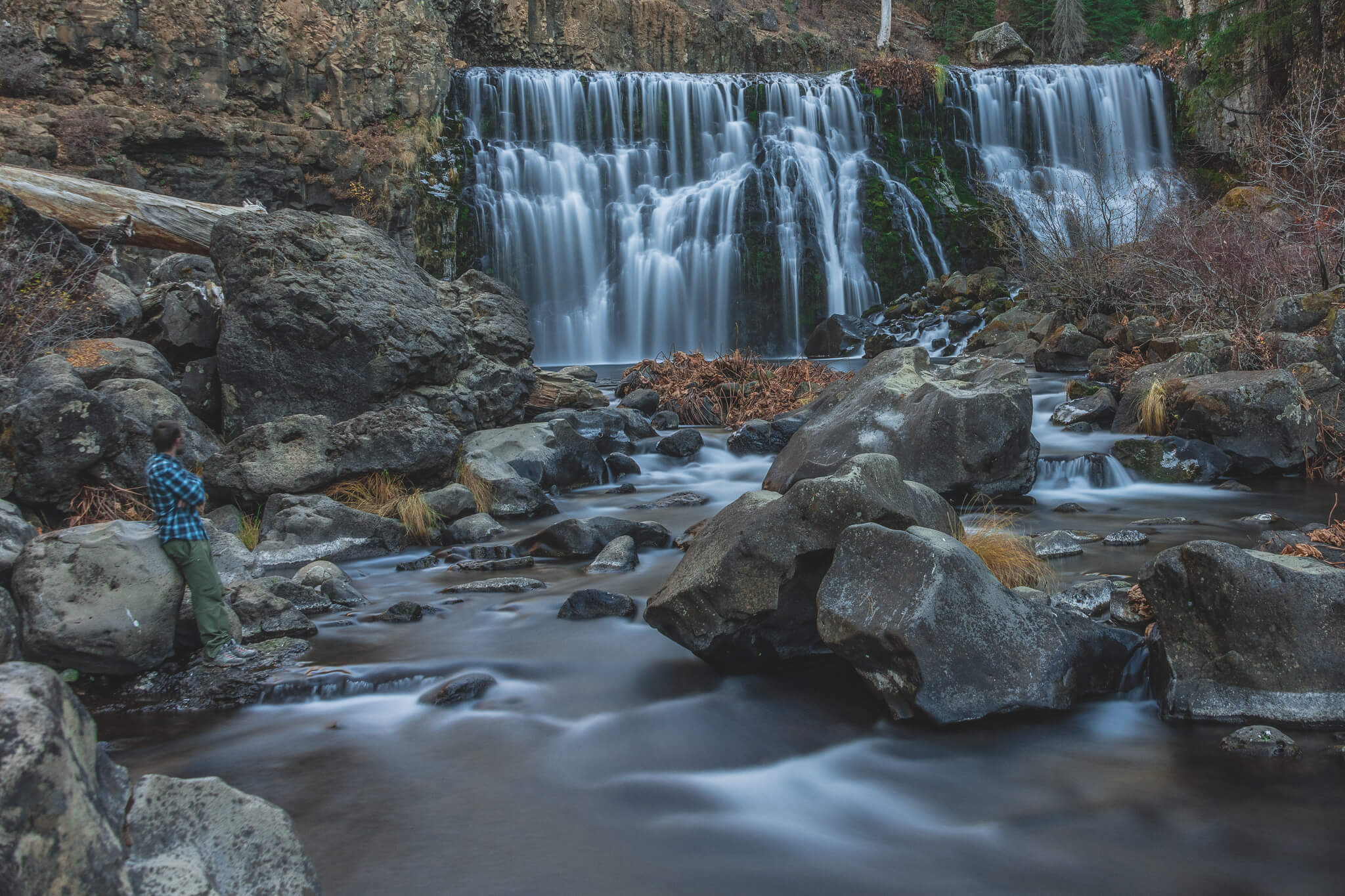
Smaller Sierra reservoir worth the drive. Quiet, scenic, and rarely on anyone's list.
FREQUENTLY ASKED
Frequently Asked Questions
Is paddleboarding hard for beginners?
Most adults can stand and paddle within their first hour on calm water. The hardest part is the first three minutes, when your stabilizers are figuring out the board and you feel like you're going down any second. Pick a flatwater lake with little wind for your first session, kneel for the first stretch, and you'll likely paddle for an hour without falling.
What size paddle board should I get?
For all-around recreational use, a board between 10'6" and 11'6" with a width of 32 to 34 inches covers most adults under 220 pounds. Heavier paddlers or anyone who wants to bring a dog or a kid along should size up to 11'6" or wider. For long flatwater distance or racing, narrower 12'6" or 14' boards trade stability for speed, and that trade only pays off after your balance is automatic.
How long does it take to get good at paddleboarding?
Standing and paddling in a straight line on flat water takes most beginners about an hour. Feeling stable in light chop and small boat wake takes five to ten sessions. Competitive race speed, where you're holding 5 mph or better for an hour, takes one to two years of consistent paddling plus targeted strength work.
How do I train for my first paddleboard race?
Eight weeks of structured prep is the working minimum: three strength sessions per week targeting the posterior chain and core, plus two long paddles and one interval paddle on the water. Taper your volume the last 10 days before the event. Most beginner races are 3 miles on flatwater, which is achievable inside that window if you've been paddling at all in the prior year.
Where can I paddleboard near Sacramento?
For flatwater inside 30 minutes, Lake Natoma is the standard. Folsom Lake works for variety if you don't mind powerboat traffic. Within an hour, Jenkinson Lake at Sly Park has the alpine feel without the Tahoe drive. For the bucket-list paddle, Sand Harbor and Hidden Beach on Tahoe's east shore are worth the early start to beat the wind.
Do I need a wetsuit for paddleboarding in Tahoe?
From late June through early September, no. Tahoe's surface temperature climbs into the mid-60s and a falling-in is uncomfortable, not dangerous. Shoulder seasons (May, October) warrant at minimum a 3mm shorty. For year-round paddling, a full 3/2 wetsuit is the floor and a drysuit is what serious cold-water paddlers wear once the surface drops under 55 degrees. Tahoe's lake-temp swing is 30-plus degrees across the year; check before you launch.
How do I prevent hand pain on long paddles?
The fix is mostly grip pressure, not gear. Hold the shaft loosely; the bottom hand barely closes around it, and the top hand uses a relaxed thumb-and-index anchor. Most paddlers I see death-grip the shaft through the catch, which is what produces the dorsal hand soreness after hour two. Stretching the wrist flexors after the paddle helps, but the prevention is in the grip itself.
What's a good speed on an inflatable SUP?
On flatwater with no wind, 3 to 4 mph is casual recreational, 4 to 5 mph is a trained recreational paddler on a 14-foot inflatable racing board, and 5-plus mph sustained for an hour is competitive recreational. Pros on hardboards hit 7-plus. Inflatables lose roughly 0.5 mph to hardboards of the same length at the same effort, which is the price of the convenience.
In order to stay productive, I wanted to research and find the best external monitor for MacBook Pro content creation usage. Learn when you should consider 1440 versus 4k – Protip, its the 5k, the right connectivity accessories, and everything else to help you make an informed decision when buying a high quality monitor. Want …
Want to discover which GoPro accessories are worth buying? These are my notes on buying, testing, and using various accessories for the GoPro Hero10 and GoPro Hero 9 in real-world scenarios. Testing Process I buy each new GoPro within a month of it being released and spend time buying and testing various accessories in different …
When it comes to finding and using the best SD cards, I tend to gravitate towards the best of the best. I use SD cards extensively as a photographer and tech lover, which is why I found myself on the quest to find the best ones out there. I want reliability, speed, and something that …
Discover which camera accessories for your mirrorless or DSLR camera will take your photography game to the next level! Regardless of your camera brand, these tripods, lights, straps, and mounts will help you take better photos by creating effective systems and habits. As a professional photographer, I’ve used all of these listed camera accessories and …
When traveling and blogging for multiple days at a time, organizing photos and maintaining a workflow day after day can get convoluted and tiresome fast. It has taken me about three years of trial and many errors to get to the point where I’m at now. I’ve been constantly aware of how I am operating …