
Jet ski maintenance was nowhere on my radar until I spent a pleasant afternoon window-shopping for a machine I had no business buying. Somewhere between the $18,000 Sea-Doo and the $22,000 Yamaha sitting next to it, my brain started running numbers on a hundred grand I did not have. That’s when the second question landed. If I somehow pulled this off, what would it take to keep one of these things running? There’s the meme that every boat item starts at a thousand dollars. What about its smaller cousin, the PWC?
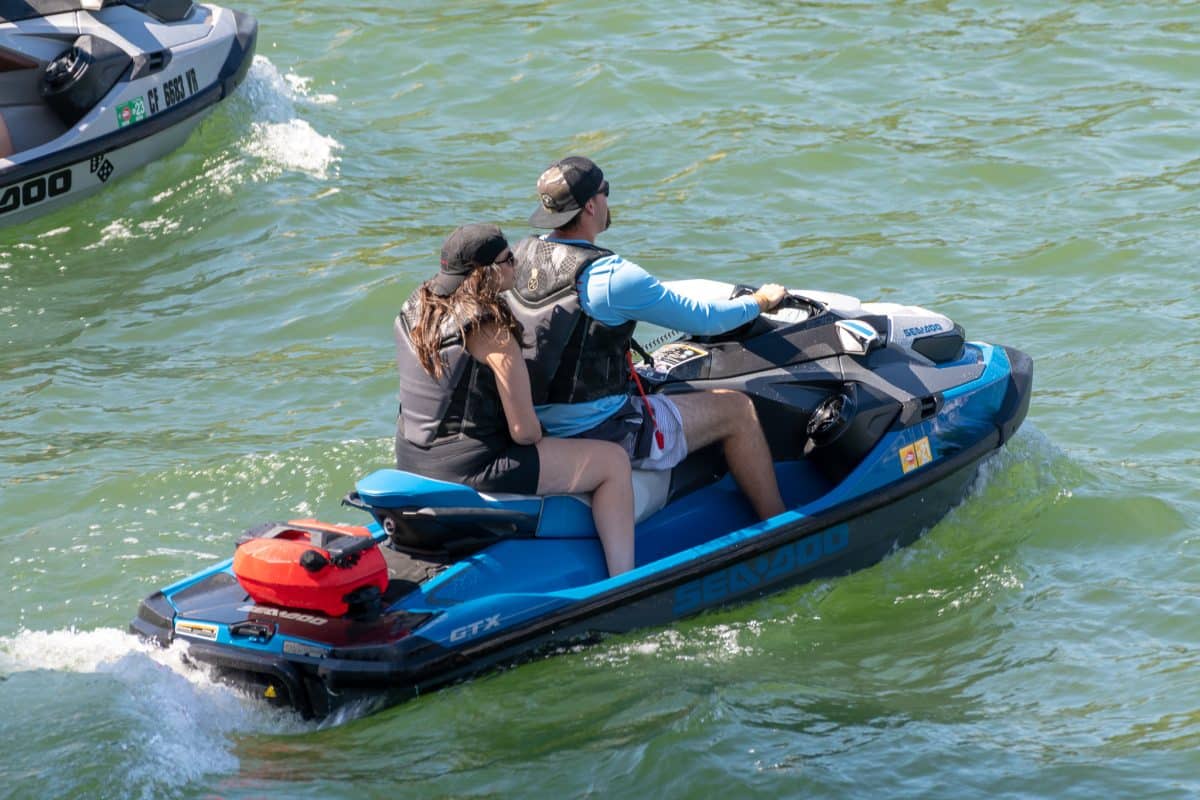
I spent about a day reading about ownership costs, then drove out to the Sacramento River and the Delta to talk to people who had already done the thing. The folks I interviewed had been riding theirs anywhere from five to twenty years. Some bought new. Some bought used. A couple were friends who had invited me on their rigs before and were happy to spill. What they told me lined up with my research in places and blew it apart in others.
Key Takeaways
- Annual ownership runs $1,500 to $3,000 per ski once you add up insurance, storage, winterization, fuel, and registration.
- Fuel is usually the biggest operating expense, not service. A full tank evaporates in about an hour at full throttle.
- Engine hours matter more than model year. Two-stroke motors last 200 to 300 hours before a rebuild is likely. Four-stroke motors last 300 to 500, and well-loved four-strokes regularly push past 1,000.
- Depreciation is brutal in year one at roughly 22 percent, then settles to about 8 percent annually after that.
- Cold-climate winterization costs $850 to $1,100 per ski each season when you pay pros and store indoors.
- Used is fine for a secondary toy. If the ski is your primary way to get on the water, a newer touring model earns its premium.
Winterization
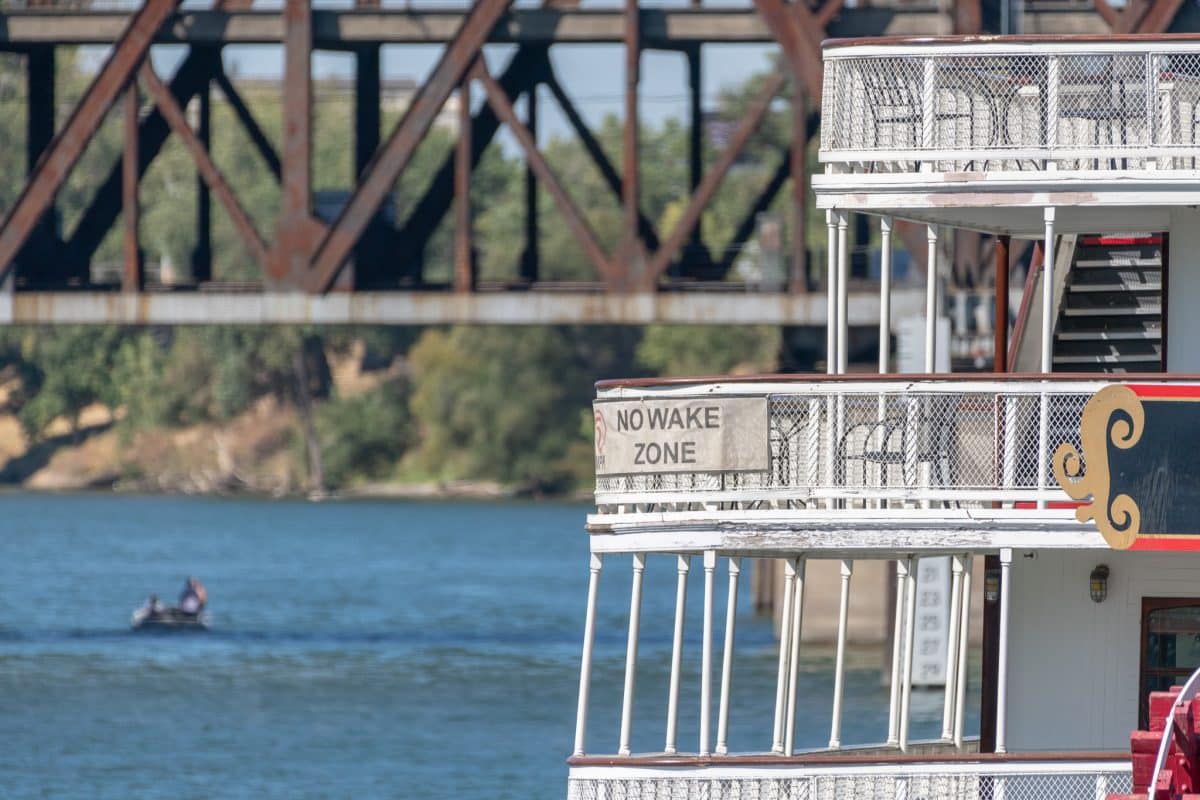
How much does it cost to winterize a jet ski?
Sacramento winters do not really qualify as winter, so I leaned on the owners I spoke to who kept their skis closer to Donner or Tahoe. Their season-end routine had a longer list of line items than I had expected, and the total surprised me the first time someone ran it out loud.
The season-end work breaks into four buckets: where you park the thing, the winterization service itself, protection from the weather, and the spring tune-up before you ride again.
Indoor storage lands at about $350 to $400 for a flat-rate marina package, or $60 to $80 per month at a general-purpose storage facility. If you leave the ski outside under a trailerable PWC cover, you save the monthly bill but the cover itself becomes a recurring line item at around $180 every two or three years for a quality fitted one.
The winterization service (STA-BIL marine fuel stabilizer, antifreeze flush, engine bay drain, battery disconnect) usually runs $150 to $200 depending on whether you have a two-stroke or four-stroke motor. Shrink wrap is the part that adds up faster than people expect. It runs about $15 per square foot and comes out to roughly $200 for a PWC. A tarp is not a substitute. One owner told me he learned that lesson the hard way when condensation ruined a seat pad under a cheap cover.
Spring tune-up at a boat shop is typically $150. That is the fee for someone to check your plugs, impeller, and fluids before you drop the ski back in the water.
Total annual winterization: $850 to $1,100 per ski if you go with professionals and indoor storage. You can roughly halve that by doing the service yourself in a heated garage, but only if you already know what you are doing and have a place to work.
A few things to check before the first run of the new season, based on what I was told after asking what people wished they had caught earlier:
- Confirm the fuel has not separated if it sat over the off-season. Old gas is the top reason skis refuse to start in April.
- Check the battery. Even a properly disconnected one can drop voltage over four or five months of sitting.
- Inspect the impeller for any nicks or debris picked up at the end of last season. A $15 ding becomes a $400 replacement if ignored.
- Look at the spark plugs. Most manufacturers want them swapped annually regardless of hours ridden.
- Walk the body for any cracks, UV damage, or rodent surprises from months in storage.
- Flush the cooling system with clean water the first time you fire it up on a hose.
- Check your registration sticker and insurance paperwork before the first launch. Rangers at busy ramps do check.
If you need to move your jet ski to a different service location or long-term facility, be ready for another layer of expense. Trailer rental, fuel for the tow, and storage deposits at the receiving end can stack up fast. Planning ahead keeps the bill manageable. One option you can quote out is A1 Auto Transport for jet skis.
Insurance
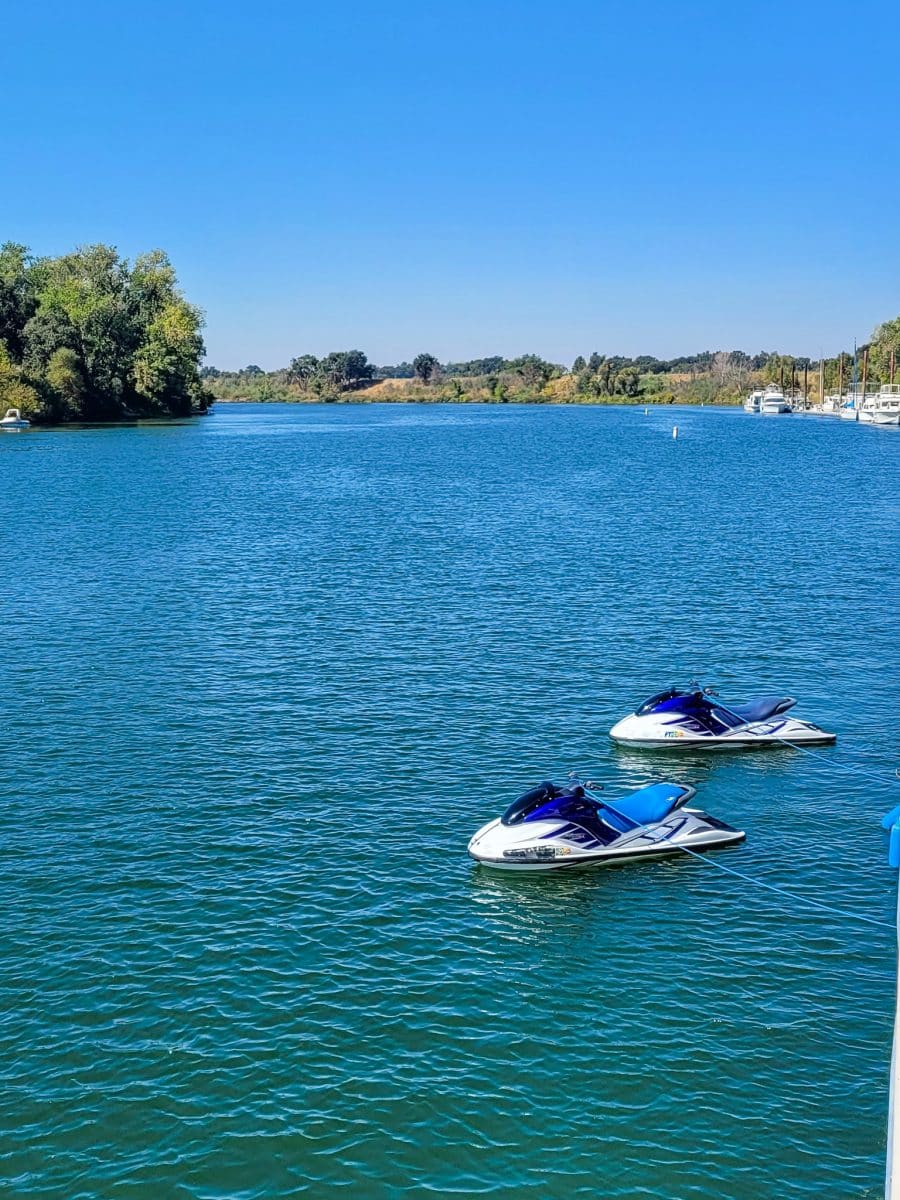
Real dollar figures first, because the textbook coverage lists are easy to find elsewhere. The owners I talked to were paying anywhere from $140 per year at the bottom end (liability with Tow Boat membership, nothing else) up to $600 or $700 per ski for comprehensive coverage in Florida saltwater markets. California sits comfortably in the middle. One friend mentioned his two skis together cost less than a single month of his truck insurance, which he offered like a small personal victory.
Tow Boat membership is the one thing nobody I spoke to would drop. For $140 a year it gets you a ride back to the ramp when something fails on the water, and failing on the water is a not-if-but-when problem. Ask me about the time I paddled a board two miles into a headwind because I was too proud to flag down a passing boat. Actually, do not ask me about that.
Here is what the coverage types do in plain language:
- Liability pays when you hit someone or damage their property. Most states require at least this much.
- Comprehensive covers theft, fire, vandalism, and acts of God while the ski is parked.
- Collision handles damage when you run into a dock, a buoy, or another PWC.
- Medical payments covers emergency-room bills for you and your passengers regardless of fault.
- Uninsured operator steps in when the other person has nothing to collect from.
- Gear coverage protects life jackets, coolers, and other kit that gets stolen or damaged.
What you need depends on how much the machine is worth and how often you haul friends around. If the ski is paid off and older than ten years, most owners I talked to dropped comprehensive and just carried liability plus Tow Boat. If it is a newer four-stroke still under finance, the lender will require full coverage whether you want it or not.
Supplies
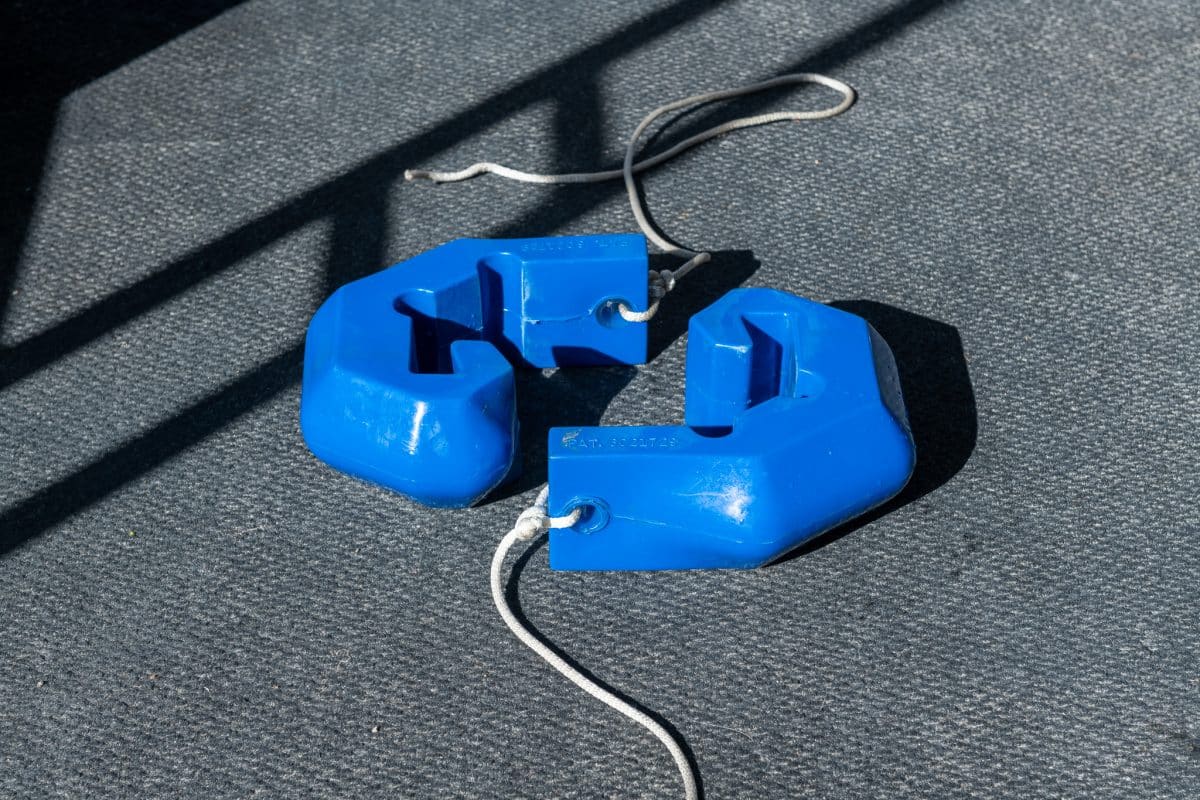
Supplies depend on how you use the ski. If you are just ripping around and parking it back on the trailer, the list is short. If you are pulling kids on a tube and rafting up with friends on a Saturday, the list gets longer in a hurry. Either way, most of these are one-time purchases or items you replace every five years when the UV and salt finally catch up.
- Towable tube (SereneLife 3-person): around $140 to $250 depending on brand and rider capacity
- Airhead tow rope (60 ft): about $22
- 3.5 lb folding grapnel anchor kit: around $40
- Airhead bungee dock lines: $16 per line
- Taylor Made PWC bumpers: around $40 each
- O’Brien Flex V-Back Coast Guard-approved PFD: around $65 per rider (required by law, check yours every spring for tears)
Total first-time kit: roughly $325 to $465 if you are outfitting from zero for a single rider. Less if you already have ropes and anchors from a previous boat.
Skim through my piece on paddleboard accessories for more ideas on water toys that pair well with a ski day.
License and Registration
Registration fees depend on your state. Florida sits around $25 per year. California is $65 for the first year and roughly half that for renewals. Oregon, Washington, and most Midwest states fall between the two. Trailer registration is another $20 or so on top, depending on your DMV.
California also requires a boater card for anyone born after 1985, which you get by passing a free online course. It is not a meaningful barrier but it is a step people forget until they are standing at the ramp with a ranger walking toward them.
Total cost: about $45 per year after the first-year fees.
Fuel
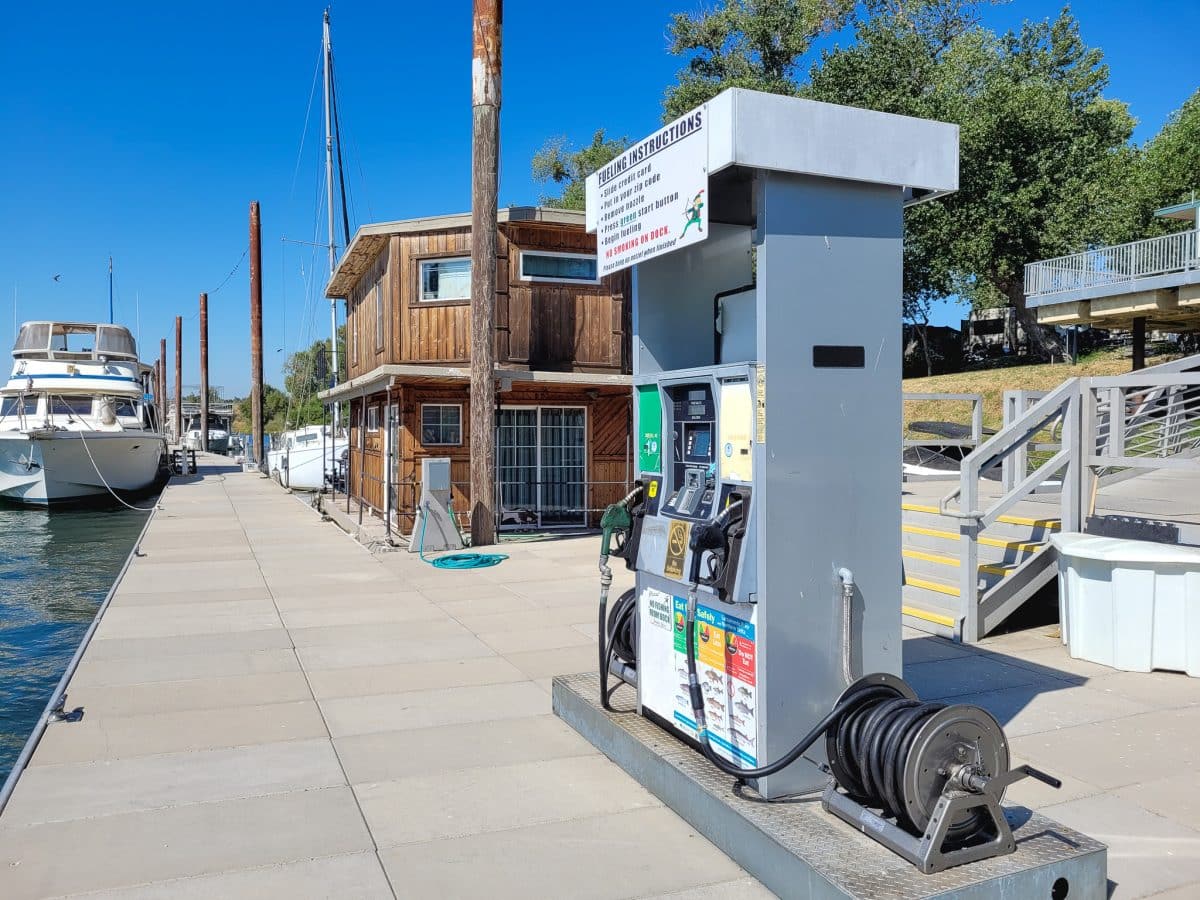
This is the part of ownership that keeps surprising people, and the reason I kept asking owners to check their math. Outside of the initial purchase, fuel is usually the biggest operating bill. A tank goes down every outing. At full throttle, some four-strokes will drain a five-gallon tank in under an hour.
A quick math exercise. At $5 a gallon and a five-gallon tank, each fill is $25. If you ride the national-average thirty hours a year and burn four tanks in that time, you are looking at $100 in fuel on the low end. Ride closer to sixty hours (which is easy once you own one) and it climbs to $300 to $600 annually. I watched one friend blow through a tank in a Delta afternoon and then spend another $40 at the pump before heading home. He insisted that was on the low side for his group.
Two-stroke owners also carry oil for the mix. Most stash a quart in the trailer for a top-off mid-day. Four-stroke owners skip that step.
One more tip: gas at floating marina pumps is sold at a premium. Several of the owners I interviewed fill up at Costco or Arco while the skis are still on the trailer, then run them dry before coming off the water. Regular 87 is fine for nearly all modern four-strokes unless your manual specifically calls for 91.
Engine Hours and Lifespan
Engine hours tell you more about a used jet ski’s remaining life than the model year does. A 2019 ski with 400 hours has been worked harder than a 2012 with 80 hours, and the price should reflect that.
Rough ranges to anchor on:
- Two-stroke engines: 200 to 300 hours before a rebuild becomes likely
- Four-stroke engines: 300 to 500 hours as a typical baseline
- Well-maintained four-strokes: 1,000+ hours is regularly reported on owner forums when the 50-hour oil changes and annual service are never skipped
The industry rule of thumb is that anything above 100 hours on a used ski counts as high mileage. That sounds harsh until you remember the average PWC only logs about 30 hours a year, so a five-year-old machine with 150 hours has been ridden harder than average but still has life left if the maintenance paperwork looks clean.
The first service is the one nobody talks about enough. Most manufacturers want it at 10 to 25 hours for a brand-new ski, and that first visit sets the tone for the rest of the motor’s life. Skipping it to save $200 is the kind of decision that turns into a $3,500 problem four years later.
Real Maintenance Over Time
Up to this point, jet ski ownership is mostly fixed budget lines you can plan for. After a few seasons you start to encounter the things nobody quotes you up front.
One owner I talked to had two skis that were twenty years old when we met. The first had been rebuilt at around 300 hours (seals, gaskets, bearings, the whole menu) for $1,800 at a local shop. The second needed a complete replacement motor, which landed at $3,500 installed. A comparable new ski at the time was over $20,000. The math on rebuilding instead of replacing was, as he put it, not even close.
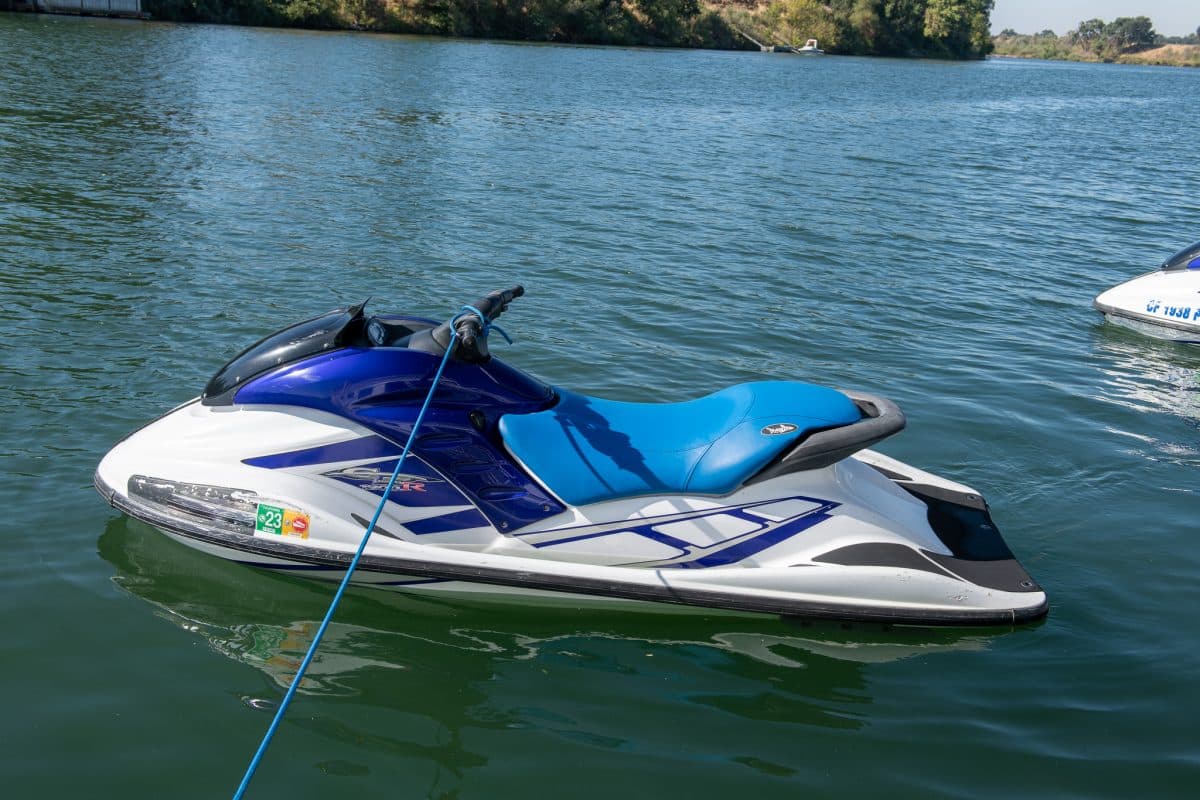
Another friend had the seat leather split after roughly seven seasons of Sacramento summers. Replacement seat covers run between $150 and $300 depending on the model. The original foam was still fine underneath, which is typical.
Other line items that came up in conversations with longtime owners:
- Impeller replacement: $300 to $500 if you suck up a rock or rope. Easy to avoid if you are paying attention to where you launch and dock.
- Battery: $90 to $180 every three to five years regardless of use. A YB16CL-B AGM replacement fits most Sea-Doo and Yamaha models.
- Trailer tires and bearings: $200 to $400 every four to six years. The trailer often costs more to keep on the road than the ski itself.
- Oil and filter service: $80 to $150 annually if you DIY with a Sea-Doo OEM 4T oil change kit, $200 to $500 if a dealer does it.
For those planning a getaway after jet ski season, checking out the best paying casinos in your area can help stretch your entertainment budget.
Buying New or Used Jet Skis
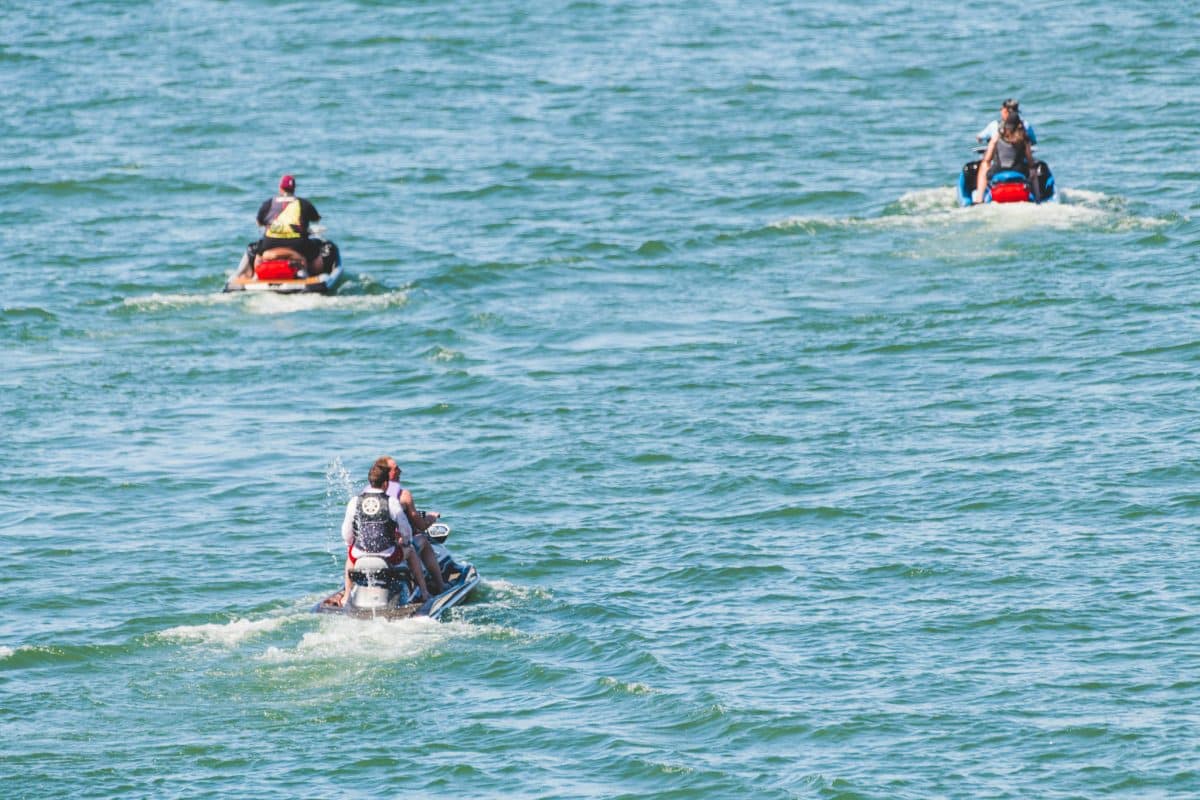
The owners I spoke to split roughly three-to-one on used over new. The reasoning from the used camp was always the same. Jet skis depreciate hard. Roughly 22 percent in the first twelve months after leaving the dealership, then about 8 percent every year after that. A $15,000 Yamaha is closer to $11,000 after its first season on the water, and someone else has absorbed the worst of the hit for you.
If the ski is your accessory (you already own a boat, or the kids want something to rip around on while you hang out at the sandbar), used makes obvious sense. Buy a well-maintained 2019 or 2020 with clean service records and you will pay something like 60 percent of new money for 90 percent of the fun.
If the ski is your primary on-water ride and you want touring-class storage for fishing gear, a cooler, and inflatables, the calculus flips. Touring models have fewer used listings and sellers who know what they have, so the discount from new shrinks. The owners I interviewed in the touring category all bought new or nearly new and reported no regrets.
For beginners, a new SeaDoo offers the peace of mind of a manufacturer warranty and the latest safety features, which can soften the learning curve when you are still figuring out how a ski responds to throttle. A warranty also means your worst-case first-year repair is a phone call rather than a bill.
Frequently Asked Questions
How much does it actually cost to own a jet ski per year?
Based on the owners I talked to and the figures reported by industry trackers, most people spend $1,500 to $3,000 per ski per year once you add up insurance, storage, winterization, fuel, and registration. Cold-climate owners lean toward the top of that range. Southern owners who skip winterization can land closer to $800 to $1,200.
How many hours does a jet ski engine last?
Two-stroke engines generally last 200 to 300 hours before a rebuild. Four-stroke engines typically last 300 to 500 hours, and well-maintained four-strokes regularly push past 1,000 hours. Maintenance history matters far more than the number alone.
What counts as high hours on a used jet ski?
Anything above 100 hours is usually labeled high mileage in listings, but that number is misleading. An average PWC only accumulates about 30 hours per season, so a six-year-old ski with 180 hours has been ridden more than average and still has plenty of life left if the owner kept up with service.
How often does a jet ski need service?
Most manufacturers call for service every 50 hours of ride time or once annually, whichever comes first. Key items at each interval include oil and filter, spark plugs, impeller inspection, and a cooling flush. Four-strokes also need valve-clearance checks around the 100-hour mark.
Is it cheaper to own or rent a jet ski?
If you ride fewer than five or six days a year, rental almost always wins. Hourly rental rates of $100 to $150 beat the true annual cost of ownership (around $2,000 once you amortize depreciation). Cross the ten-day threshold and ownership starts to look better, especially if you live within an hour of the water.
Do jet skis hold their value?
Not especially well. First-year depreciation averages around 22 percent, and the curve keeps sloping at about 8 percent per year after that. A Yamaha that was $15,000 new is often worth $7,000 or $8,000 by year five. Touring and performance models hold value better than base trims.
How long can a jet ski sit without being used?
Properly winterized, a ski can sit for six to eight months without damage. Past that, you start risking fuel separation, battery failure, and seal dry-out. If you know the ski is going to sit longer than a season, pull the battery and add a double dose of fuel stabilizer.
Do I need a license to ride a jet ski?
Requirements vary by state. California requires a boater card for anyone born after 1985 (free online course). Florida requires the same for anyone born after 1988. Most states have some version of a safety certificate. Check your state parks or DMV site before your first launch.
Can I store a jet ski outside?
Yes, as long as you use a fitted cover and replace it every two or three years. Outdoor storage is fine in dry climates like Sacramento. Humid or snowy climates benefit from indoor or at least shrink-wrapped storage to keep moisture and UV damage away from seals and seat pads.
What is the most expensive jet ski repair I should budget for?
A complete engine replacement is the worst-case scenario and can run $3,500 for a used or rebuilt swap up to $10,000 or more for a new OEM motor. A full rebuild (seals, gaskets, bearings) is usually $1,500 to $2,500 at an independent shop. Budget a contingency fund of $2,000 to $3,000 once the ski hits five years old.
Affiliate Disclosure: Some links in this article are Amazon affiliate links. If you buy something through one of them I may earn a small commission at no extra cost to you. I only link to products I have actually used or that owners I trust have recommended.
Article Updates
April 11, 2026: Full editorial refresh. Rewrote every section in my own voice instead of the flat third-person tone the original draft had drifted into. Added a new Engine Hours and Lifespan section based on what I learned from longer conversations with the owners I first interviewed on the Sacramento River. Added a Key Takeaways summary and a Frequently Asked Questions section covering the ten questions that kept coming up in comments and reader emails. Refreshed all Amazon product recommendations, replaced the out-of-stock towable tube with a current 3-person model, and updated every price range to 2026 dollars. Kept all original owner interview stories intact because the math they shared is still the honest answer.



Great read! You really laid out how ownership costs stack up over time. 👍 It’s a strong reminder that sea doo maintenance isn’t optional if you want reliability.