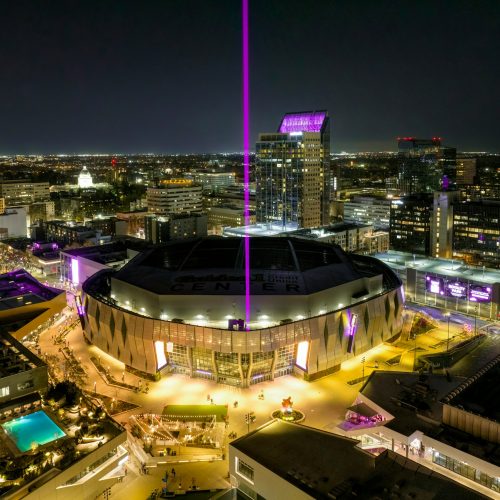
Sacramento sits in the middle of some of the most productive farmland in the country. The Sacramento Valley grows around sixty commercial crops across roughly two million irrigated acres, and something close to a third of the world’s processed tomatoes are grown within 250 miles of downtown.
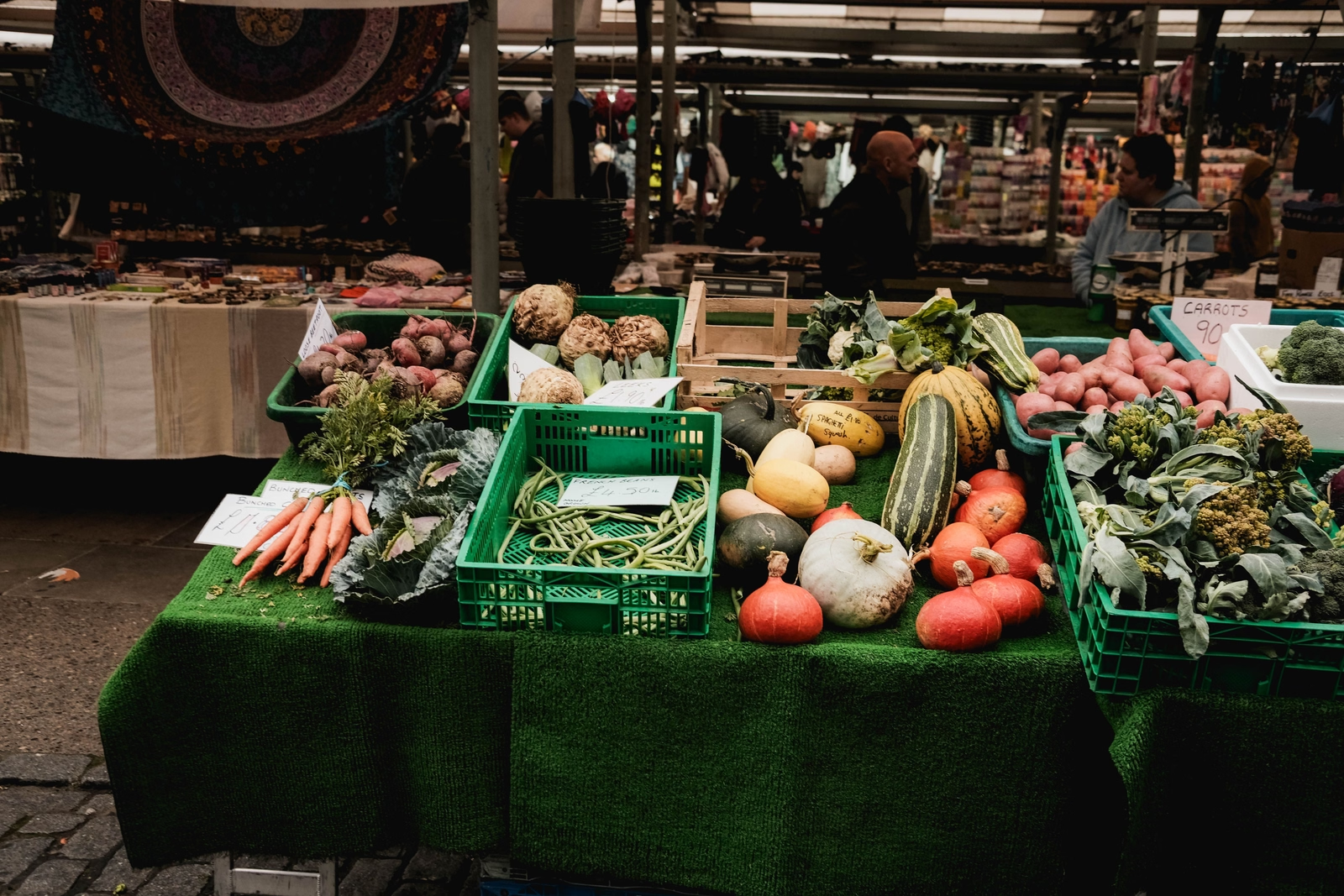
A lot of it lands on folding tables under a freeway or along a Midtown sidewalk on a weekend morning.
The city has farmers markets almost every day of the week, and they are not interchangeable. One is a Saturday scene with live music and charcuterie boxes. Another is a bare-bones produce operation that sells out of bok choy early.
✦ Key Takeaways
- Midtown (Saturday, 8 a.m. to 1 p.m.) is the polished flagship: 200-plus vendors, live music, and a deep bench of prepared food.
- The Sunday market under Highway 50 is the serious produce workhorse, the city’s oldest and largest, where local chefs source.
- The Asian Farmers Market at 5th and Broadway opens before dawn on Sundays and carries produce you will not find anywhere else in town.
- Most markets accept EBT and add Market Match dollars, usually $15 in free produce credit, and Oak Park matches up to $20.
- Bring cash and small bills. Many stalls, especially at the Asian market, have no card reader and no central checkout.
Midtown Farmers Market: The Saturday Flagship
The Midtown Farmers Market runs Saturday mornings from 8 a.m. to 1 p.m. along 20th Street in the Lavender Heights district, spreading across about five blocks. It is open year-round, and with more than 200 vendors it is the largest weekly market in the central city.
Live music plays every Saturday, families cluster at picnic tables, and the whole thing feels closer to a neighborhood block party than a grocery run. Inside Sacramento has noted that top local chefs shop here too, so the person reaching for the same heirloom tomatoes might run a restaurant kitchen the rest of the week.
Midtown has become a launching pad for food businesses. Faria Bakery drew long lines for its breads and pastries at the market before opening a permanent storefront on Broadway. Balance Coffee and Qisa Coffee, the latter pouring coffee built on beans from Peshawar, both got their start here. Maria’s Paella turned a market stall into a brick-and-mortar spot on 16th Street.
Newer vendors keep the mix fresh. Wedge and Slice Charcuterie Co. sells build-your-own charcuterie boxes from a cart the owner built herself, loaded with cured meats, cheeses, olives, fruit, and honey. Around the aisles you will find cheese, local honey, olive oil, nuts, flowers, hand-rolled pasta, kombucha, fresh juices, a Belgian waffle truck, and smoked meats.
Midtown has been voted the top farmers market in California in a national popularity contest run by the American Farmland Trust.
The Sunday Market Under the Freeway
The Sunday Certified Farmers Market sets up every Sunday from 8 a.m. to noon in the state parking lot under the Highway 50 overpass, bounded by 6th, 8th, W, and X streets, across from Southside Park. Run by Alchemist CDC, it has operated since 1980, which makes it the city’s original certified market and still its largest year-round one.
The market fills about 70,000 square feet of shade under the freeway, beneath a 2016 mural called Bright Underbelly painted across the overpass. The concrete keeps the heat off in a valley that bakes all summer.
Local chefs including Randall Selland and Kurt Spataro have been named among the regulars who come early to source and to get inspired. The reputation is built on selection and value. Prices vary from stall to stall for the same produce, so the move is to walk the whole market before buying.
Watanabe Farms brings heirloom tomatoes, and nearby tables carry Thai lemongrass, black Spanish radishes, and Tokyo turnips alongside the usual mounds of berries and stone fruit. Seafood vendors sell fish and shellfish, sometimes live crab and crawfish. There is cheese, bread, eggs, honey, citrus, cut flowers, nuts, and even California native plants.
Leave the dog at home. No dogs are allowed at the Sunday market, service animals aside. It is a state health code for certified markets.
The Asian Farmers Market: Get There Before Dawn
Vendors at the Asian Farmers Market at 5th and Broadway start setting up before dawn on Sunday, and the market is fully assembled by 7 a.m. The official window runs to noon, but the leafy greens are often gone long before that.
The tables carry napa cabbage, bok choy, daikon, bitter melon, sugar cane, long beans, Thai chili peppers, lemongrass, and Fuyu persimmons in the fall. There are South Indian greens sold under names like murungai and paruppu that rarely surface at a general market.
Much of it is too fragile to ship to a wholesaler, which is exactly why it shows up here, straight from the grower.
There is a real rush for the freshest bok choy and greens when the market opens. Stalls are often swept clean well before noon.
There is no central checkout and no ATM, so you pay each farmer individually and want a pocket full of small bills. The market is also known for its value, with prices that tend to run lower than the weekend flagships.
Oak Park: The Community Market
The Food Literacy Center started the Oak Park Farmers Market at McClatchy Park in 2010 to bring fresh produce into a neighborhood that a community survey had identified as a food desert. The market now draws around 1,500 visitors a week, and roughly a third of its sales come through EBT.
Oak Park matches EBT dollars up to $20 per customer, more than the $15 offered at most Sacramento markets, and the market runs weekly recipe samples, kids’ crafts, and community resource tables alongside the produce and prepared food.
Oak Park has typically run on Saturday mornings from spring into late fall, though the season and hours shift year to year, so it is worth checking the current schedule before heading over.
The Neighborhood and Downtown Markets
Carmichael runs Sundays at Carmichael Park with more than 100 vendors and the deepest prepared-food bench of the suburban markets. Alongside produce you will find sauerkraut, salsa, dips, rubs, pies, scones, cashew-based cheeses, and sriracha bacon jerky, plus food trucks and a craft corner.
Capitol Mall is the downtown lunch market, running Wednesdays from spring through fall between the State Capitol and the Tower Bridge. It leans heavily on prepared food for the office crowd, with trucks and stalls like Drewski’s Hot Rod Kitchen and Azteca Street Tacos next to the produce tables.
Florin runs Thursdays at the Florin light rail station, and Kaiser South Sacramento runs Fridays on the Kaiser Permanente campus on Bruceville Road. Both are certified markets built around neighborhood and weekday access.
What the Seasons Bring
Spring opens with artichokes, asparagus, and the first strawberries, and Delta asparagus is a regional signature worth watching for. Summer is the peak, when the tables fill with tomatoes, sweet corn, stone fruit, melons, and peppers. Fall brings apples, pears, persimmons, and dates. Winter narrows the selection to citrus and hardy greens.
EBT, Market Match, and Shopping Smart
Most Sacramento markets accept CalFresh EBT, and many add Market Match, a program that gives EBT shoppers extra dollars to spend on fruits and vegetables. The standard match is $15, run in many cases through Alchemist CDC, which operates the EBT booth even at markets it does not otherwise run. Oak Park’s donor-funded match goes up to $20.
Bring cash and small bills, since plenty of stalls do not take cards and the Asian market has no central checkout at all. And arrive early if you have something specific in mind, because the best produce moves fast and the busiest markets thin out by late morning.
Selling at a Sacramento Farmers Market
For growers, selling at a certified market takes a certified producer certificate, issued by the Sacramento County Agricultural Commissioner through the state’s Direct Marketing Program. You may sell only what you grew or raised yourself, with no reselling another farm’s produce.
Once certified, a grower applies to individual markets, each with its own application and calendar. Midtown, for one, reopens its vendor applications in August.
A farmers market morning pairs naturally with the rest of a Sacramento weekend. Line up brunch or dinner from our guide to the best Sacramento restaurants, or fold it into a wider list of day trips from Sacramento.
At a Glance
| Market | Day | Hours | Neighborhood | Best for |
|---|---|---|---|---|
| Midtown | Saturday | 8 a.m.–1 p.m. | Lavender Heights | Prepared food, scene, chefs |
| Sunday Certified (W-X) | Sunday | 8 a.m.–noon | Under Highway 50 | Serious produce, value, selection |
| Asian Farmers Market | Sunday | From 5:30 a.m. | 5th & Broadway | Asian produce, herbs, greens |
| Oak Park | Saturday (seasonal) | Verify current | McClatchy Park | Community, EBT, families |
| Carmichael | Sunday | 9 a.m.–2 p.m. | Carmichael Park | Prepared and craft food |
| Capitol Mall | Wednesday (seasonal) | 9 a.m.–1 p.m. | Downtown | Office lunch, food trucks |
| Florin | Thursday | 8 a.m.–noon | Florin light rail | Neighborhood produce |
| Kaiser South Sac | Friday | 9:30 a.m.–2 p.m. | Bruceville Road | Weekday access |
Frequently Asked Questions
What day is the Midtown Farmers Market?
Saturday, from 8 a.m. to 1 p.m., year-round, along 20th Street in Lavender Heights. A later 9 a.m. winter start has sometimes been listed, so confirm the day you go.
Where is the Sunday farmers market in Sacramento?
The Sunday Certified Farmers Market sets up under the Highway 50 overpass, bounded by 6th, 8th, W, and X streets, across from Southside Park. It runs 8 a.m. to noon, year-round.
Which Sacramento farmers market is best for produce?
The Sunday market under Highway 50 has the biggest selection and the best prices, which is why local chefs shop there. The Asian Farmers Market is the place for specialty Asian produce and herbs.
What is the difference between the Midtown and Sunday markets?
Midtown is a polished Saturday scene with prepared food, live music, and crowds. The Sunday market under the freeway is a larger, no-frills produce market focused on selection and value. Many regulars do both on the same weekend.
Do Sacramento farmers markets take EBT?
Most do, and many add Market Match dollars, usually $15 in free produce credit. Oak Park matches up to $20 per customer.
Which market is open earliest?
The Asian Farmers Market at 5th and Broadway. Vendors are set up by 7 a.m. on Sundays, and the greens often sell out before noon.
Are Sacramento farmers markets open year-round?
Several are, including Midtown, the Sunday Certified market, Carmichael, Florin, and Kaiser South Sacramento. Downtown markets like Capitol Mall run seasonally from spring into fall.
How do I sell at a Sacramento farmers market?
You need a certified producer certificate from the Sacramento County Agricultural Commissioner, and you may sell only what you grow or raise yourself. After that, you apply to individual markets.
Article Updates
July 8, 2026: Original publication.