
Nestled at 5,400 feet in the Sierra Nevadas, Fuller Lake provides a peaceful alpine retreat just a short drive from Nevada City. This gem of a lake invites visitors to paddle its calm waters, cast a line for trout, explore forested hiking trails, and spot wildlife amongst tall pines. An inviting escape from the everyday, learn how to get there and what to expect on the water.

Table of Contents
- How to Get There
- Parking and Hours
- Paddle Boarding
- Motorized Boats
- Fishing and Wildlife
- Lake Conditions
- Hiking Trails
- Camping
- Lake History
- More California Lakes To Explore
Helpful Links:
- CA State Parks Website
- PG&E Website
- USDA Forest Service Website
- CA State Harmful Water Reports
- Paddle Boarding Accessories
- Sunscreen
- Coolers
How to Get There
Fuller Lake sits at 5,400 feet elevation in Nevada County, about 30 minutes from Nevada City via Highway 20 and Bowman Road. GPS coordinates are approximately 39.35307, -120.66039. The roads are paved and suitable for most vehicles.
Fuller Lake Dam Trailhead and Lake Access: 13466 Forest Rte 18, Nevada City, CA 95959
Fuller Lake Boat Ramp and Parking: 13776 Bowman Lake Rd, Nevada City, CA 95959
Parking and Hours
Parking is available for day use only, sunrise to sunset, from May 16 until the first snowfall. The $7 per vehicle entry fee (cash required) supports site maintenance.
Restrooms are available at the picnic area, but potable water is not, so bring your own.
Paddle Boarding

The lake’s 69-acre size and typically flat water make it ideal for paddle boarding, kayaking, and canoeing.
Non-motorized watersports are the best way to enjoy the lake’s peaceful setting, with easy access from the boat ramp. There are no rentals here, so bring your own gear. An inflatable paddle board is the most practical option since the access road isn’t exactly built for roof-racking a rigid board up to 5,400 feet. Keep your phone safe from splashes with a waterproof pouch so you can still grab photos of the granite shoreline.

Motorized Boats
Only electric motors are allowed, with a strict 10 mph speed limit.
Gas engines and high-speed activity are prohibited to protect the quiet environment.
Boat launch fees are $10 (cash).
Fishing and Wildlife
Fuller Lake is stocked annually with rainbow trout and supports brown trout populations. Fishing is productive along the shore, by boat, and floating tubes, especially in spring and fall.
Fuller Lake is known primarily for its trout fishing, with the most common fish species found in the lake being:
- Rainbow Trout: Regularly stocked by the California Department of Fish and Wildlife, typically ranging from 10 to 12 inches. They are the main attraction for anglers year-round, especially active during spring and fall.
- Brown Trout: Native or stocked brown trout are also present and offer good fishing opportunities, particularly challenging and rewarding for anglers.
- Brook Trout: Occasionally found in the lake, adding diversity to the fish population.
- Cutthroat Trout: Both Lahontan and Paiute subspecies can be found.
Other species include mottled sculpins and crayfish, important parts of the lake ecosystem, and prey for the trout.
The inlet and outlet areas, as well as spots near structures like rocks and logs, are particularly productive fishing locations.
One man encountered said the rock currently picnicking on was a famous spot for fishing, over his 30 years of visiting the lake.
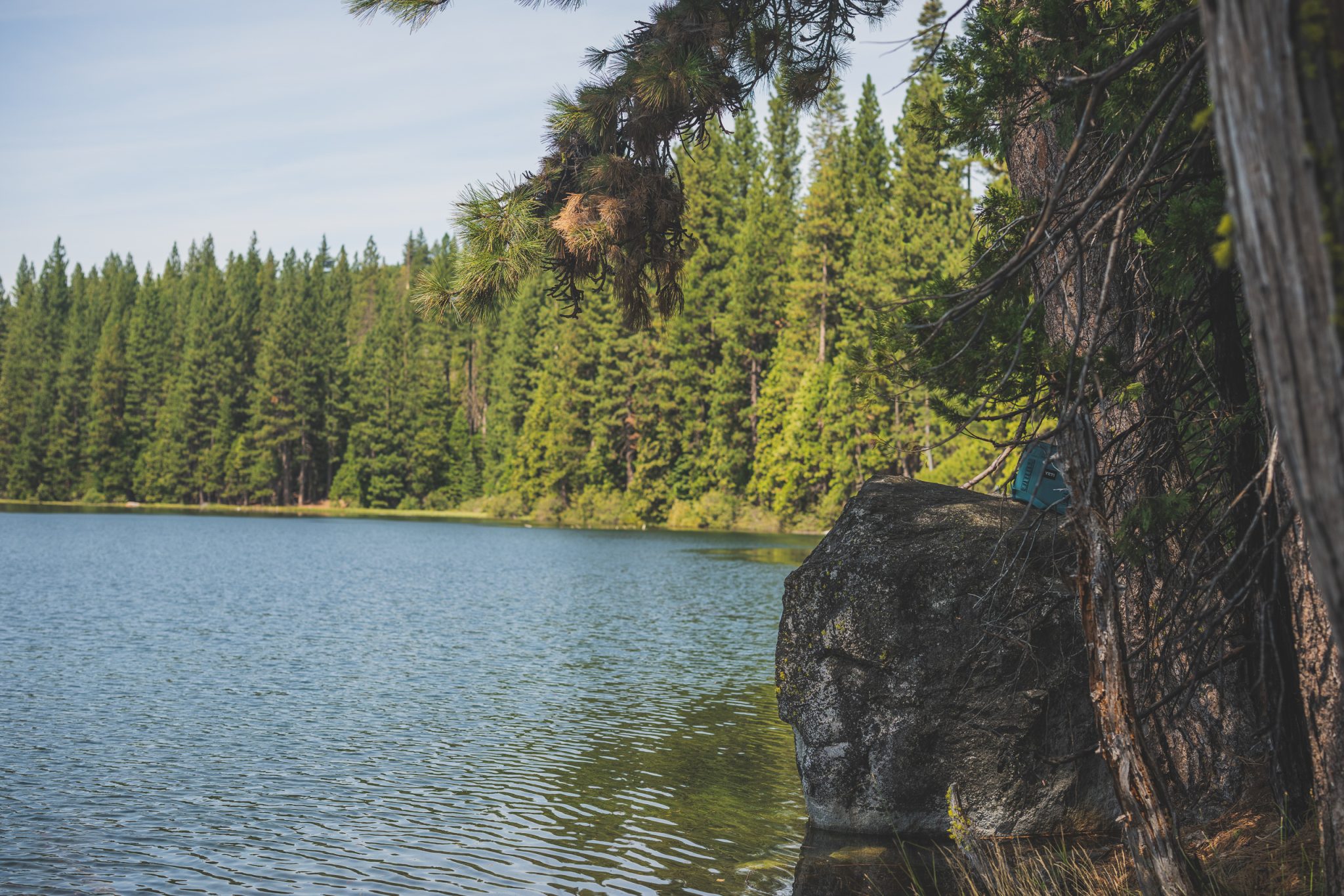
Wildlife encounters include osprey, waterfowl, deer, and forest mammals in the surrounding woods.
Lake Conditions
Fuller Lake’s water temperature generally remains cool throughout the year, reflecting its alpine elevation and spring-fed source.
Temperature Patterns
- Spring (March-May): Water warms from the low 40s to the mid-60s °F.
- Summer (June-August): Regularly ranges from 55°F in the early mornings to peak afternoons near 70°F.
- Fall (September-November): Gradual cooling, often 60-50°F.
- Winter (December-February): Can reach low 40s to freezing near the surface during cold snaps.
Wind Conditions and Waves
Fuller Lake experiences generally mild wind conditions, with average wind speeds ranging from 2 to 6 mph throughout the year. Winds are typically calmest in the early mornings and can increase modestly in the afternoon, especially during summer.
The predominant wind direction is from the north to northeast, but it may shift to the southeast or southwest depending on local weather patterns.
Summer gusts can occur, up to 15–20 mph, with extremes rarely reaching 30+ mph during those infamous Sierra Nevada summer storms. The strongest recorded wind was in 2025, reaching 46.1 mph, a very rare event.
The lake is small enough to keep waves to a minimum.
Paddling Distances
This size makes Fuller Lake ideal for a half-day paddle or a leisurely walk, with calm, scenic water and relatively short distances between beaches, boat launches, and other features. It’s accessible for casual outdoor enthusiasts who want to explore without undertaking a full-day commitment.
The lake roughly spans around a half mile across its widest points.
For paddlers, circumnavigating the lake (going all the way around) is about 2 miles, making a full loop a very manageable and enjoyable outing.
Paddling from the northwest boat ramp to the southeast shore is approximately 0.45 miles one way.
Circumnavigating the lake is just under 2 miles by paddle, making it perfect for a leisurely 1-2 hour trip.
Hiking Trails
Trail Around Fuller Lake
There is a walking path that roughly circles Fuller Lake, covering about 2 miles, making it a comfortable loop for visitors.
This trail offers scenic views of the lake and surrounding forest, ideal for a gentle hike or nature walk. The terrain is relatively flat and accessible, perfect for most skill levels and families.
Along the shoreline, hikers can enjoy opportunities for wildlife spotting and peaceful lakeside resting spots.
Rucker and Fuller Lakes Via Spaulding Lake Trail
The Spaulding Lake Trail is a scenic and moderately easy trail located near Fuller Lake. It is approximately 4 miles out and back, with an elevation gain of about 400 feet, making it accessible for most hikers seeking a several hour adventure.
The trail winds through mixed forest, including pine and cedar, offering shaded pathways with occasional open views of the surrounding Sierra Nevada landscape.
Starting Point: Near Fuller Lake Dam.
https://maps.app.goo.gl/7XAom5eP8cqZnGKN7
Take the trail North and curving slightly west around Rucker Lake.
The trail can be combined with longer loops up to 10.1 miles for a full-day outing including Spaulding Lake and back.
Enjoy serene lake views, wildflowers in spring, and opportunities to see local wildlife such as deer and birds.
The terrain varies from flat lakeshore paths to forested moderate climbs, suitable for a variety of outdoor enthusiasts.
For longer hikes, consider the Grouse Ridge Trail, accessible nearby, and explore the Yuba lake chain and adjacent Rucker Lake, which is warmer and suitable for relaxed swimming.
Camping
Camping is not permitted at Fuller Lake itself, but multiple campgrounds are available nearby, including Carr Lake and other options in Nevada City, offering amenities like potable water, toilets, campfires, and pet-friendly sites.
Lake History
Fuller Lake in Nevada County, California, was created as part of a hydroelectric water storage system, fed from Bowman Lake. The dam forming Fuller Lake was completed around 1856, making the lake approximately 170 years old as of 2025.
Its creation is linked to the mid-19th century water management developments in the Yuba watershed for mining and later hydroelectric power generation.
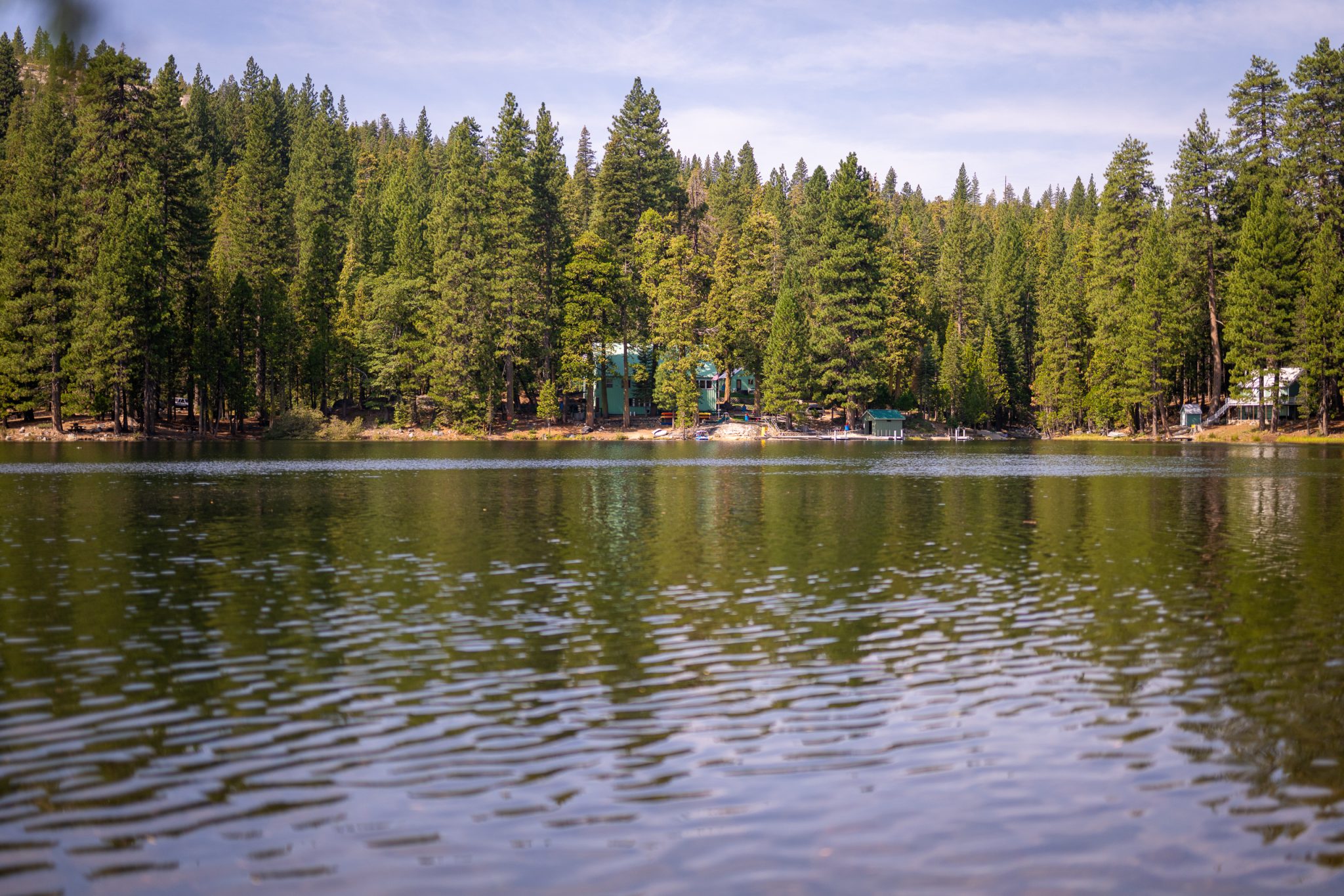
Fuller Lake is currently managed for water storage and hydroelectric use by PG&E as part of a canal system fed from Bowman Lake. The area’s infrastructure reflects its historical role in both Gold Rush-era water distribution and contemporary hydroelectric projects.
PG&E continues to operate and maintain the site, ensuring recreational access and environmental stewardship.
Arrive early to during summer weekends for limited parking and enjoy the calm water for paddling. Bring all supplies, especially water and snacks, as amenities are minimal. For hikers and wildlife watchers, bring binoculars and shoes to explore nearby trails.
More California Lakes To Explore
Greater Sacramento
Sierra Nevadas


