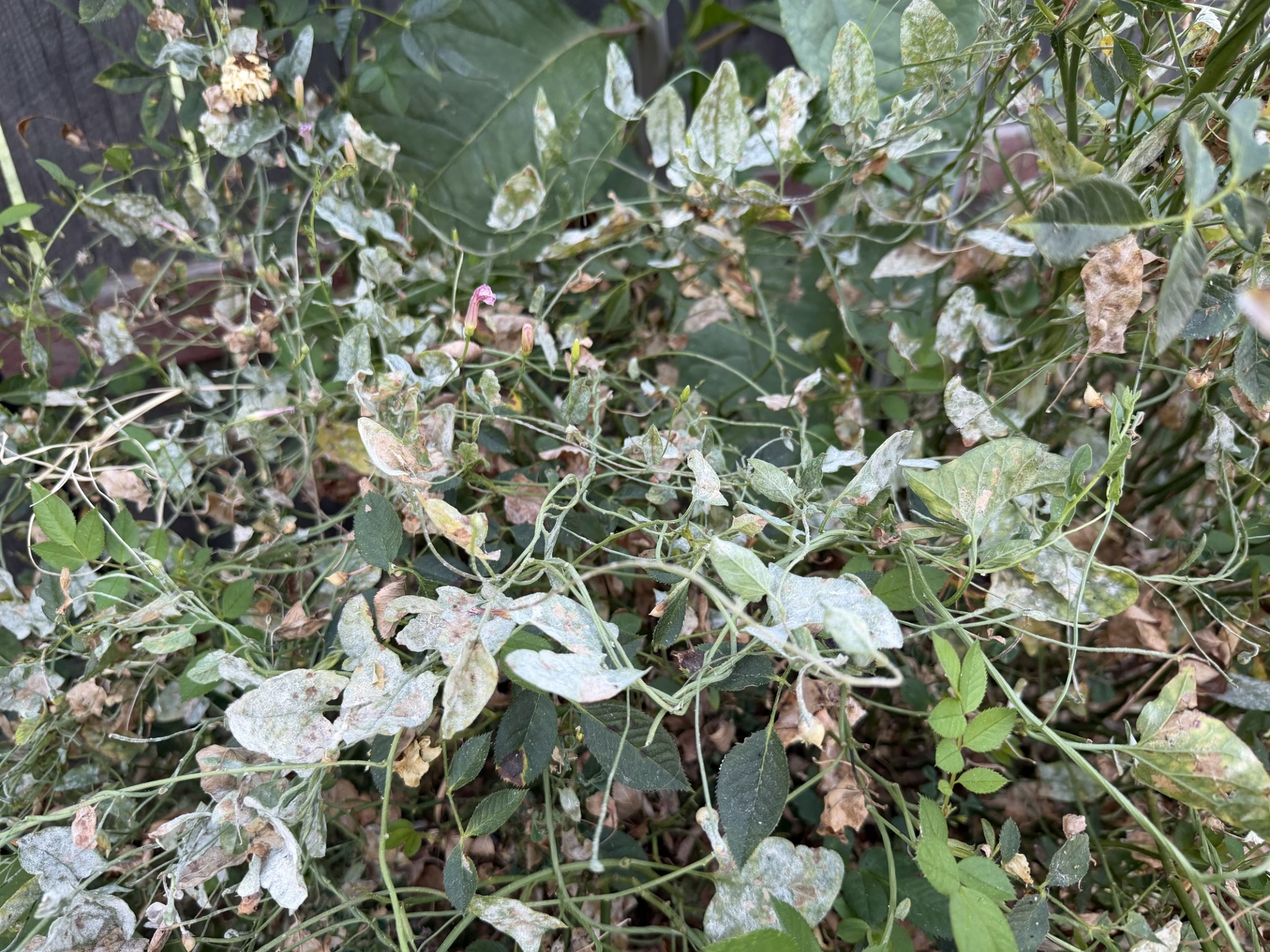
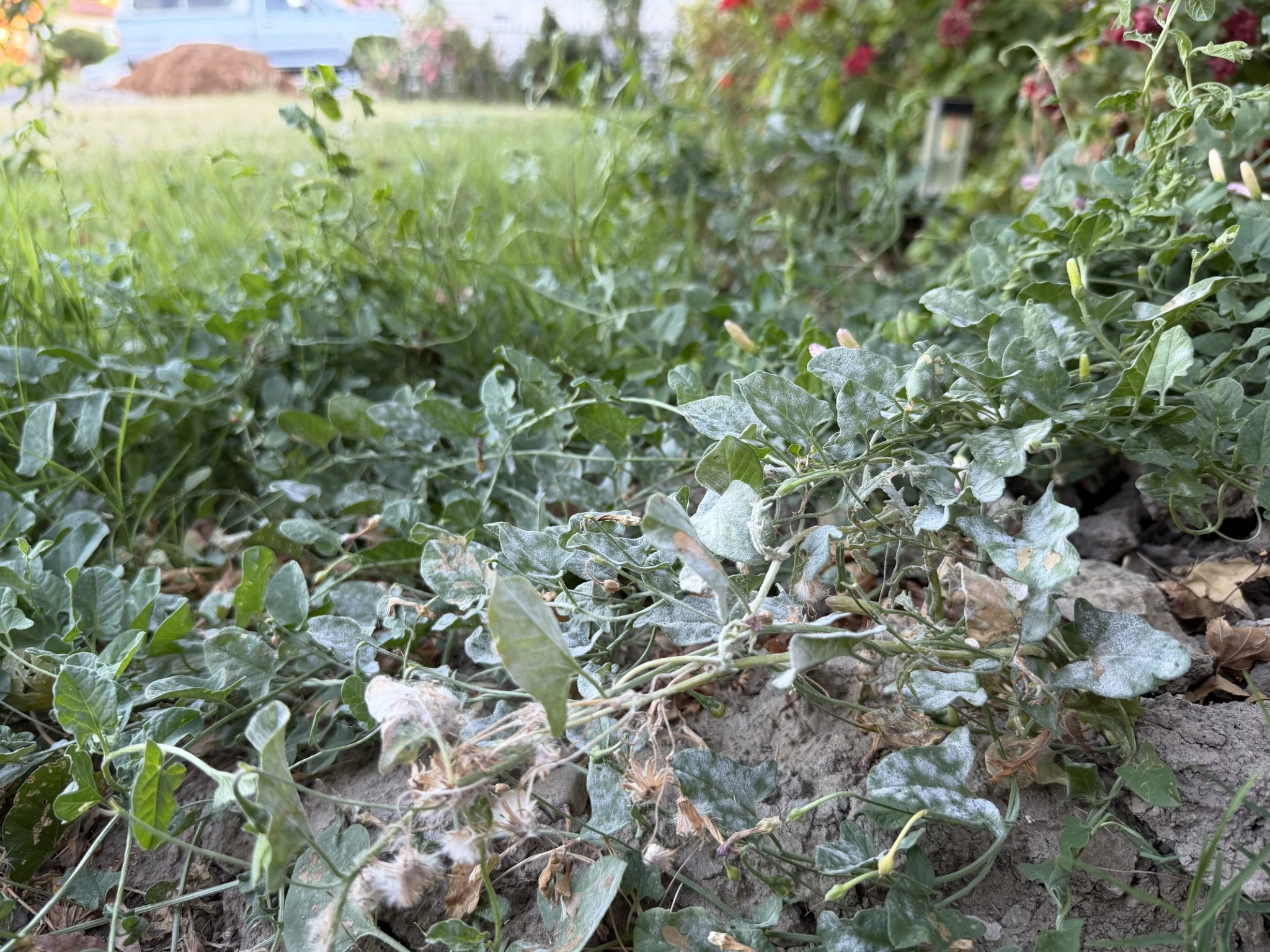
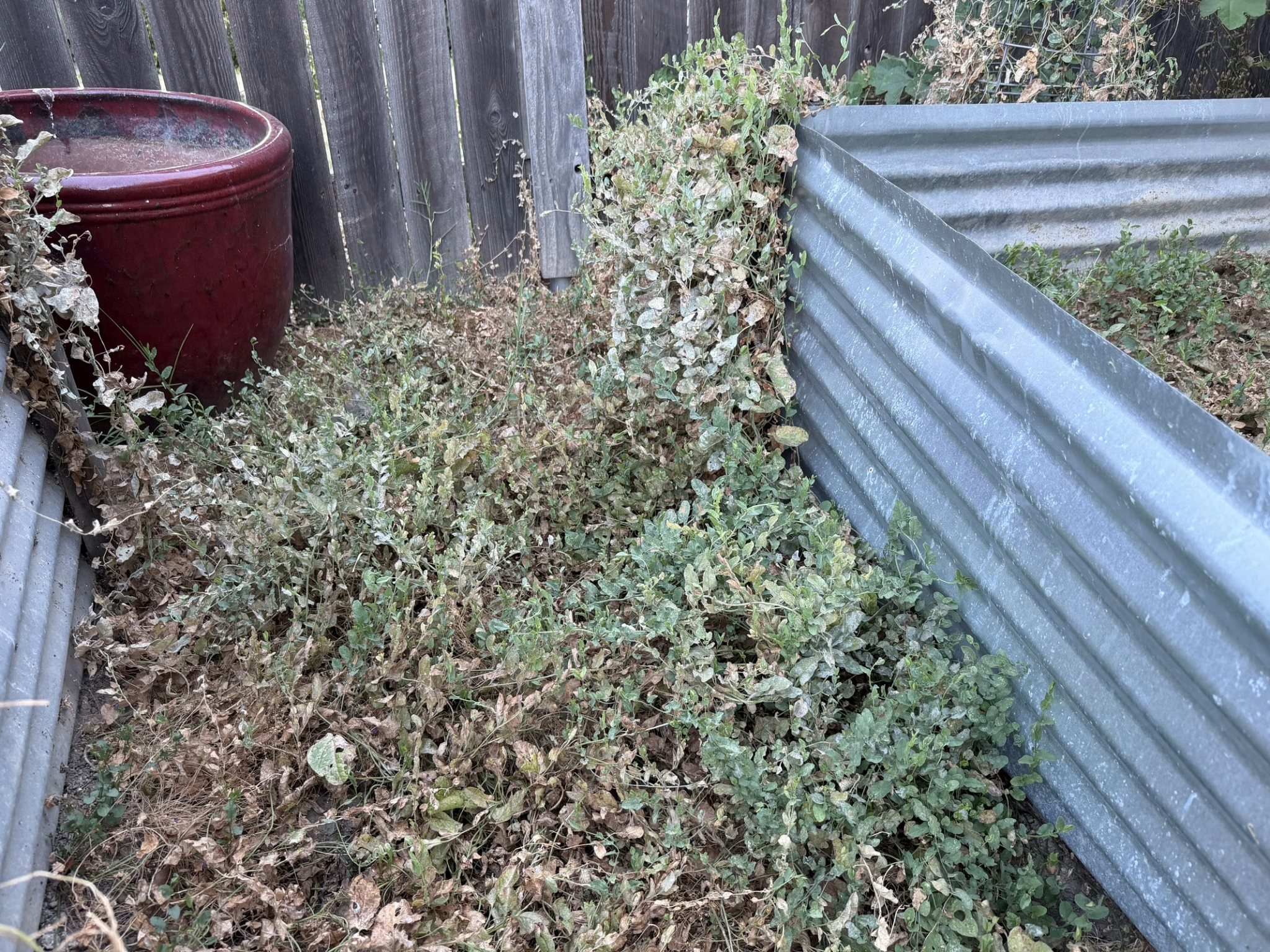
The roses turned pale the same summer the bindweed swallowed them. I had let a patch of what I called morning glory run wild along the back fence, and by August it had climbed one of my roses and laced a shady tent over the whole corner. When I finally pulled the vines back to see what was underneath, the rose leaves were dusted with a fine white coating, like someone had thrown flour at them.
My first assumption was that I had watered wrong. Too much overhead spray, standing moisture, the usual story you read about garden fungus.

Powdery mildew is the most common rose disease in the West.
The white dust is a fungus, Podosphaera pannosa variety rosae. Unlike most leaf diseases, it does not need rain or wet foliage to take hold.
UC IPM, the University of California’s integrated pest management program, states it plainly. Rose powdery mildew “does not require free water on plant surfaces to develop and can even infect roses during California’s warm, dry summers.”
The top result for this problem is usually the UK’s Royal Horticultural Society, whose climate assumes damp air and frequent rain.
In Sacramento the fungus rides warm days and cool nights, thrives in shade and stagnant air, and could not care less that it has not rained since May.
✦ Key Takeaways
- The white dust is a fungus, not dirt. Powdery mildew coats new leaves, buds, and shoot tips, then curls and stunts that fresh growth. Wipe a leaf and the powder smears; that confirms it.
- In California it does not need rain. UC IPM states the fungus infects roses during warm, dry summers without any free water on the leaves. Advice built around wet weather aims at the wrong target here.
- Airflow is the biggest lever you have. Shade, crowded canes, and anything smothering the bush create the still, humid microclimate the fungus loves. Opening the plant up does more than any spray.
- It will not jump to your tomatoes. Rose powdery mildew is host-specific. The strain on your roses cannot infect squash, lawn, or unrelated plants.
- Fungicides protect, they do not cure. Sprays shield new growth from infection. They will not scrub the powder off leaves already caked, so combine treatment with pruning the worst foliage off.
- Match the fungicide to the heat. Potassium bicarbonate is the safest pick during a hot Sacramento spell. Oils and sulfur both burn foliage in high heat, and you never apply oil within two weeks of sulfur.
- A midday overhead rinse actually helps. UC IPM recommends washing foliage at midday to disrupt the daily spore release, with enough afternoon left for leaves to dry before evening.
- Resistant varieties end the fight for good. Landscape and shrub roses, plus glossy-leaved hybrid teas, shrug off mildew that flattens older susceptible types. Sun and spacing do the rest.
What powdery mildew on roses looks like
The disease announces itself on the youngest parts of the plant first. New leaves, flower buds, and the soft green tips of this season’s canes pick up a white to pale gray coating that looks powdery or felted.
White powder on rose leaves, white spots on roses, and a bush that looks dusted with talc are all the same thing at different stages.
Early on it shows as small white patches that spread and merge until a whole leaf or bud is coated. Infected young leaves curl, pucker, and turn slightly purple or red before the powder fully develops, and badly hit buds may fail to open at all.
Rub an affected leaf between your fingers, and the coating smears and partly wipes away. That separates it from anything baked onto the surface.
Roses catch a few different diseases, and treating the wrong one wastes a season.
| Disease | What you see | Where | Conditions |
|---|---|---|---|
| Powdery mildew | White to gray powdery coating, curled new growth | Tops of young leaves, buds, shoot tips | Warm days, cool nights, shade, dry air |
| Downy mildew | Purple to red blotches up top, fuzzy gray patches beneath, fast leaf drop | Both leaf surfaces, undersides fuzzy | Cool and genuinely wet or humid |
| Black spot | Round black spots with feathery edges and a yellow halo | Upper leaf surfaces, older leaves | Warm and wet, splashing water |
| Rust | Orange to rusty raised pustules | Mainly leaf undersides | Moderate temperatures, moist spring |
The two that get confused with mildew are downy mildew and black spot, and the tell is moisture. Both of those want wet conditions and hit hardest after rain or heavy dew. Powdery mildew is the one thriving in your dry July, coating the tops of the newest leaves rather than spotting the older ones.
Why your roses have it (and why California is different)
Rose powdery mildew spores germinate best in warm daytime temperatures paired with cool nights, roughly the 60 to 80 degree swing that describes a Sacramento spring to perfection. High humidity right around the leaf surface speeds infection.
That humidity builds in the still, shaded air trapped inside a crowded bush or under something covering it.
Wet leaves actually suppress the spores. Dry, sheltered, poorly ventilated foliage is the ideal home.
The vines threw a shade cloth over the rose and killed the breeze through its canes, and the fungus moved into the microclimate they created.
Clearing tangled growth off a rose removes the conditions the disease depends on. If you are fighting the same twining weed I was, the identification and removal steps are in my guide on getting rid of morning glory that is really bindweed.
Powdery mildew is host-specific. The species on your roses evolved for roses and their close relatives, and it will not spread to your tomatoes, your squash, or your lawn.
Those plants get their own separate powdery mildews. What you are managing travels rose to rose on the wind.
Step one: open the plant up
Before any spray, change the environment.
Start by clearing anything smothering the bush. Weeds climbing through it, a neighboring shrub crowding it, branches from above throwing shade, all of that has to go so light and air reach the canes.
Then thin the rose itself. Take out crossing canes, dead wood, and enough of the dense interior growth that you could toss a tennis ball through the middle of the plant.
Air moving freely through an open bush dries the leaf surface and breaks up the calm, humid pockets the spores need.
Roses in full sun with space around them stay far cleaner than the same variety tucked into a sheltered nook. If a bush sits in a spot that stays shaded and airless, moving it in the dormant season may cure the mildew more permanently than any yearly spray program.
Step two: prune out the worst and bag it
A fungicide guards healthy tissue. It will not restore leaves already coated, so those come off by hand.
Cut away the heavily infected shoot tips, buds, and leaves, and pull off any badly caked foliage lower down. It removes the actively sporulating material reinfecting the rest of the bush, and it gives your spray a smaller, cleaner target.
A clean cut heals faster and invites less trouble. A good pair of bypass shears like the Felco 2, the pair most rosarians settle on, makes the job quick. Wipe the blades with rubbing alcohol between plants so you are not carrying spores from bush to bush.
Do not compost the clippings. A backyard pile rarely runs hot enough for long enough to kill fungal spores reliably, and you would be seeding next year’s outbreak into your own soil amendment. Bag the infected material and put it in the trash.
During winter cleanup, strip and bag the fallen leaves and prunings around the base too. The fungus overwinters in buds and debris and comes back from them in spring.
Step three: the midday rinse that works
This one feels wrong, because everything about garden fungus training tells you to keep water off the leaves. Rose powdery mildew is the exception.
Because the spores are suppressed by water and released on a daily cycle, UC IPM recommends a plain overhead rinse of the foliage at midday. Washing the leaves knocks spores off and interrupts that release.
A midday wash leaves the warm afternoon for the foliage to dry before evening, which keeps you clear of the wet-overnight conditions that invite other diseases.
Skip this trick if black spot or downy mildew is also in your beds, since those do want wet leaves.
Step four: choose a fungicide, and match it to the heat
When the mildew is widespread or keeps outrunning your pruning, a fungicide holds the line on new growth. Several work well.
They stop spores from establishing on tissue you have not lost yet. None of them un-cakes a leaf.
UC IPM lists five home options for rose powdery mildew: horticultural oils, neem oil, sulfur, potassium bicarbonate, and the biological fungicide Bacillus subtilis. In a Sacramento summer, the temperature decides which of those you can safely reach for.
Potassium bicarbonate, the hot-weather pick
Potassium bicarbonate is where I start when it is genuinely hot. It does not carry the heat-burn risk that oil and sulfur do. It is a contact material that kills spores on the leaf and is labeled specifically for powdery mildew, sold to home gardeners as MilStop and similar products.
A five-pound bag runs about $72 and lasts for years. It is not the lowest-priced bottle on the shelf, but it is the one you can spray in July without scorching the plant.
Cover thoroughly, top and bottom of the leaves, and repeat every week or two while conditions favor the disease.
Neem and horticultural oils, for milder weather
Oils both prevent infection and knock back existing colonies, and a concentrate like Bonide’s neem oil covers a lot of rose for the money. The catch is heat sensitivity, and UC IPM is specific about it.
Do not apply oils to a water-stressed plant, and do not apply oil within two weeks of a sulfur spray. Both combinations burn foliage.
Save the oils for mild stretches under about 85 degrees, water the rose well beforehand, and treat in the cool of early morning or evening. In a Central Valley heat wave, hold off.
Sulfur, effective but fussy about temperature
Sulfur is one of the oldest and most reliable preventives against powdery mildew, and products such as Bonide sulfur are labeled for it. Same heat rule, applied more strictly. It can damage foliage when temperatures climb past the low 90s, and it must stay two weeks apart from any oil in either direction.
Bacillus subtilis and the homemade route
The biological option, Bacillus subtilis, sold as Serenade, is a beneficial bacterium that colonizes the leaf and crowds out the fungus. It is gentle, safe in heat, and a reasonable organic choice, though in my experience it works best as a preventive on plants that are not already overrun.
What about the baking-soda recipe all over the internet? Potassium bicarbonate is the upgraded, plant-safe cousin of that idea, which is why I skip the kitchen-cabinet sodium bicarbonate. Plain baking soda gives weaker control and leaves sodium building up in the soil over a season of spraying.
Whatever you choose, rotate and repeat. One application never finishes powdery mildew, because fresh susceptible growth keeps pushing out and new spores keep arriving on the wind. Plan on a spray every week or two through the active window, and read the label for your product and your temperature.
The long game: resistant roses and prevention
UC IPM notes that landscape and shrub roses are among the most resistant to powdery mildew, and that glossy-foliaged hybrid teas and grandifloras tend to hold up well.
The mass-market landscape roses, the Knockout and Drift families, were bred in part for disease resistance and mostly shrug this off.
Have an heirloom hybrid tea that mildews every summer no matter what you spray? The long-term answer may be to replace that one variety rather than commit to spraying it forever.
Plant in full sun with room for air to move. Keep the interior pruned open. Avoid dumping high-nitrogen fertilizer that pushes out a flush of the soft, succulent growth mildew attacks first. Clear weeds and debris before they build a sheltered pocket.
Fold a spring rose check into your seasonal yard routine. Catching the first white patches on the earliest new growth is what keeps a dusting from becoming a caked mess.
What not to do
- Don’t spray oil or sulfur in the heat. Both scorch foliage once temperatures climb into the 90s, turning a fungus problem into a burn problem. Reach for potassium bicarbonate when it is hot.
- Don’t mix oil and sulfur. Applied within two weeks of each other in either order, they damage the plant. Pick one lane and give it a fortnight before switching.
- Don’t expect a spray to erase existing powder. Fungicides guard new growth. The caked leaves you already have need to be pruned off, not sprayed clean.
- Don’t compost infected clippings. Home piles rarely get hot enough to kill the spores, so you would replant the disease with your own mulch. Bag it for the trash.
- Don’t overfeed a mildewed rose. A heavy nitrogen push produces exactly the tender new shoots the fungus colonizes first. Ease off until the plant is clean.
Frequently Asked Questions
Will powdery mildew kill my roses?
Rarely outright, but it weakens the plant. Powdery mildew distorts new growth, ruins buds so flowers fail to open, and saps vigor over time, which can leave a rose stunted and thin. A healthy established bush usually survives, though a young or already stressed plant hit hard can decline. The point of treating it is to protect bloom and vigor, not to prevent certain death.
What does powdery mildew look like on roses?
It appears as a white to pale gray powdery coating on the newest leaves, flower buds, and green shoot tips. It often starts as small white patches that spread and merge, and infected young leaves curl and take on a purple or reddish cast before the powder fully develops. Rub a leaf and the coating smears, which tells you it is a fungus on the surface rather than a stain or spray residue.
What causes powdery mildew on roses?
The fungus Podosphaera pannosa variety rosae, favored by warm days, cool nights, shade, and poor air circulation. Notably it does not need rain or wet leaves. UC IPM states it infects roses even during California’s warm, dry summers. High humidity in the still air inside a crowded or shaded bush is what it wants, which is why airflow and sun are the first things to fix.
What is the best fungicide for powdery mildew on roses?
It depends on the temperature. In hot weather, potassium bicarbonate (sold as MilStop) is the safest choice because it will not scorch foliage. In milder weather, neem or horticultural oils and sulfur all work well as preventives. Whichever you pick, all are preventive rather than curative, coverage must be thorough, and you have to repeat every week or two. Never apply oil within two weeks of sulfur, and avoid both in high heat.
Can I get rid of powdery mildew on roses naturally?
Yes. Airflow, pruning, and a midday water rinse are all non-chemical and effective. For organic sprays, neem oil, potassium bicarbonate, and the biofungicide Bacillus subtilis (Serenade) are all approved for organic gardens. Potassium bicarbonate is the improved, plant-safe version of the popular baking-soda spray, which is why it beats plain kitchen baking soda, which controls the fungus weakly and leaves sodium in the soil.
Should I cut off rose leaves with powdery mildew?
Prune off the heavily infected tips, buds, and worst leaves, but do not strip the whole plant bare. Removing the badly caked growth cuts down the spores reinfecting the bush and gives any spray a cleaner target. A rose still needs enough healthy foliage to feed itself, so take the worst and treat the rest. Bag what you remove rather than composting it.
Will powdery mildew spread from my roses to other plants?
Not to unrelated plants. Powdery mildew is host-specific, so the strain on your roses cannot infect tomatoes, squash, lawn, or other unrelated species, which get their own separate powdery mildews. It does spread rose to rose, and to close relatives, carried on the wind. So you are containing a rose disease, not something poised to sweep the whole garden.
How do I prevent powdery mildew on roses?
Plant roses in full sun with room around them, prune the interior open for airflow, and choose resistant varieties such as landscape and shrub roses. Avoid heavy nitrogen feeding that pushes tender growth, clear weeds and debris that trap still air, and clean up fallen leaves in winter since the fungus overwinters in buds and debris. Catching the first white patches early and pruning them out keeps a small problem small.
Do Knockout and Drift roses get powdery mildew?
They can, but they resist it far better than most. The Knockout and Drift families were bred for disease resistance, and they mostly shrug off the mildew that flattens older susceptible varieties. Under bad conditions, deep shade and no airflow, even resistant roses show some, so the growing spot still matters. As a group, though, these landscape roses are among the easiest to keep clean.
How fast does powdery mildew spread on roses?
Quickly under ideal conditions. When warm days, cool nights, and still shaded air line up, the fungus produces new spores on a daily cycle and can cover a susceptible bush within a week or two. That speed is why catching it early on the first flush of new growth matters, and why treatment has to repeat rather than run once. Break the favorable conditions and the spread stalls.
The Bottom Line
My corner is breathing again now that the vines are gone and the canes are thinned. The new growth is coming in clean.
For the authoritative, California-specific detail behind this guide, UC IPM’s Pest Notes on rose diseases is the best single reference, and it covers the resistant varieties and fungicide timing in more depth.
Affiliate Disclosure: Some links in this article are affiliate links. If you buy through them, I may earn a small commission at no additional cost to you. I only recommend products I would use in my own yard.
Article Updates
- July 22, 2026: Article published. Identification, the California dry-summer angle, airflow and pruning steps, heat-aware fungicide selection, and resistant-variety strategy compiled from UC IPM sources.