
There was a time when choosing a car was largely a practical decision. Buyers compared fuel economy, reliability, seating capacity and purchase price before making a choice. While those considerations remain important, the modern relationship between people and their vehicles has become significantly more complex.
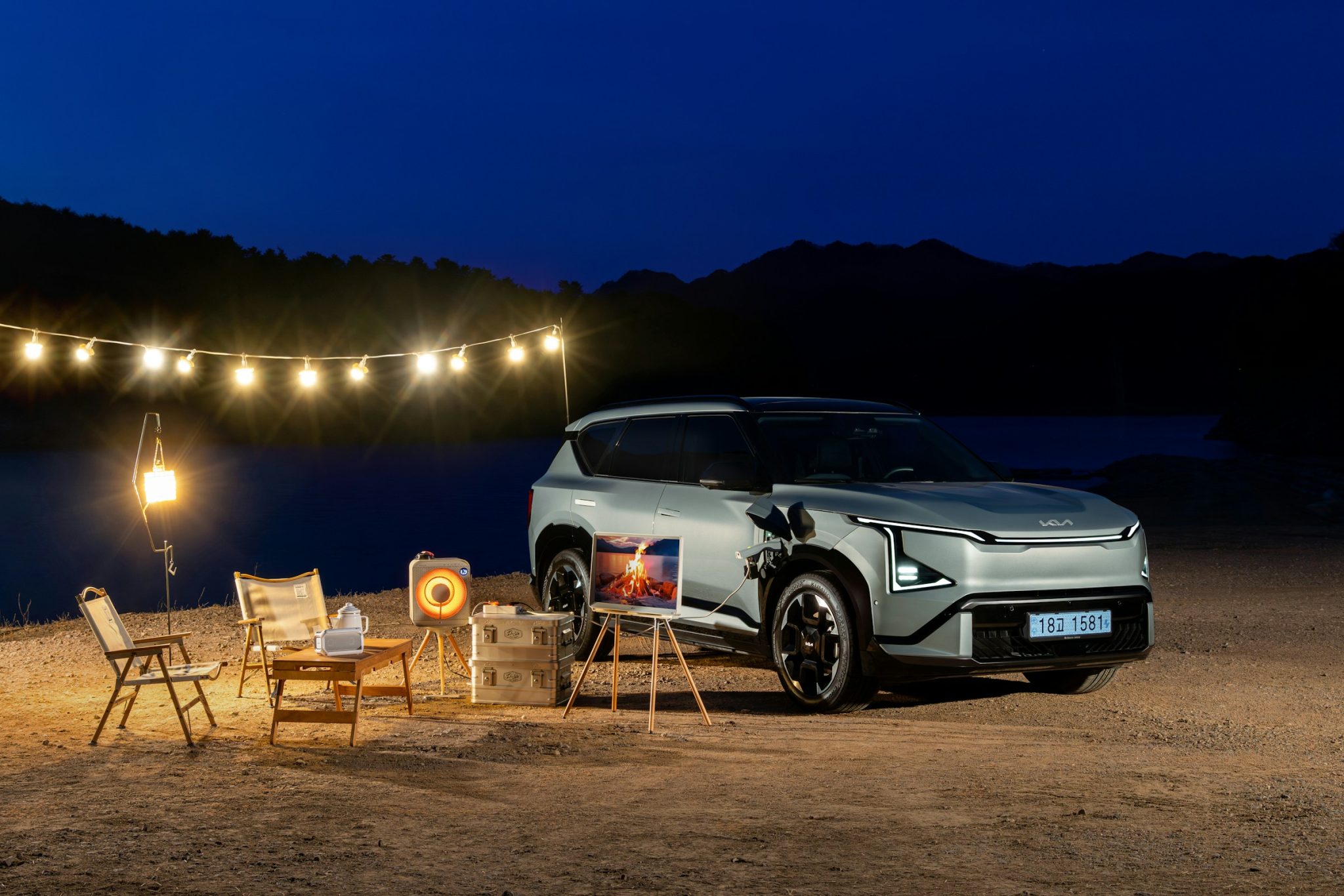
Today, cars often function as extensions of personal identity. They reflect how people work, travel, communicate and interact with technology. In an era shaped by digital connectivity, environmental awareness and lifestyle-driven consumer choices, the vehicles people drive can reveal far more than their transportation needs.
Whether consciously or not, motorists increasingly use vehicle ownership to express values, priorities and everyday habits.
Technology Preferences on Display
One of the clearest indicators of lifestyle is a driver’s relationship with technology.
Modern vehicles have evolved into sophisticated digital platforms. Features such as smartphone integration, cloud-connected services, voice assistants and over-the-air software updates have become major selling points across the industry.
For many consumers, a vehicle’s digital ecosystem matters just as much as traditional performance metrics. Buyers who prioritise seamless connectivity often seek cars that integrate naturally with the devices and services they already use daily.
This shift mirrors broader consumer behaviour. People increasingly expect technology to simplify routines, personalise experiences and remain constantly connected. Vehicle choices have become another expression of those expectations.
In many cases, the appeal of a car lies not only in how it drives, but also in how effectively it fits into a digitally connected lifestyle.
Sustainability as a Personal Statement
Environmental considerations are playing an increasingly influential role in automotive decision-making.
The growth of electric and hybrid vehicles reflects more than changing technology. For many owners, these vehicles communicate values relating to sustainability, efficiency and environmental responsibility.
While practical factors such as running costs and charging infrastructure remain important, the decision to drive an electric vehicle often carries symbolic significance as well. It can represent a commitment to reducing environmental impact or embracing emerging technologies.
As sustainability becomes a larger part of public conversation, vehicle choices are increasingly viewed through the lens of personal values rather than simple transportation requirements.
The Rise of Lifestyle-Based Purchasing
Automotive purchasing decisions are becoming closely linked to lifestyle aspirations.
Consumers often select vehicles based on how they imagine themselves using them rather than how they use them today. Adventure-focused SUVs appeal to buyers who value outdoor activities and flexibility. Compact urban vehicles attract those prioritising efficiency and convenience. Premium electric models often appeal to technology enthusiasts who appreciate innovation and modern design.
The vehicle becomes part of a broader lifestyle narrative.
This trend is particularly visible among younger generations, who frequently make purchasing decisions based on alignment with personal identity and values. Cars are increasingly viewed as lifestyle products rather than purely functional assets.
As a result, manufacturers devote significant attention to understanding consumer behaviour beyond traditional automotive metrics.
Personalisation Remains Central
Despite rapid advances in automotive technology, the desire for individuality remains a constant feature of car culture.
Drivers continue to personalise vehicles in ways that reflect their personalities, preferences and interests. Some focus on aesthetic modifications, while others prioritise digital customisation through personalised displays, software settings and connected services.
Even subtle choices can contribute to a vehicle’s identity. Companies such as Plates Express operate within this wider culture of automotive personalisation, reflecting how motorists continue to seek ways to make their vehicles feel more distinctive and personally meaningful.
These decisions are rarely about practicality alone. They often represent an effort to create a stronger connection between owner and vehicle.
Social Media and Automotive Identity
Social media has transformed how people think about vehicle ownership.
Platforms built around visual content have encouraged drivers to view vehicles as part of a broader personal brand. Cars regularly feature in content related to travel, hobbies, lifestyle and daily routines.
This visibility has increased interest in personalisation and vehicle aesthetics. Owners are exposed to a constant stream of ideas, trends and inspiration from fellow motorists around the world.
The result is a culture where vehicles are increasingly valued not only for what they do, but also for what they communicate.
Automotive identity has become intertwined with digital identity, creating new opportunities for self-expression through vehicle ownership.
Function and Identity Are No Longer Separate

One of the most significant developments in modern automotive culture is the merging of function and identity.
Historically, practical and emotional considerations were often viewed separately. A vehicle was either chosen for utility or for image. Increasingly, consumers expect both.
Drivers want vehicles that support their daily needs while also reflecting who they are. Technology, sustainability, design and personalisation all contribute to that equation.
This explains why manufacturers are investing heavily in user experience, digital services and customisation options. Consumers no longer evaluate cars solely on performance specifications. They evaluate how those vehicles fit within the wider context of their lives.
Conclusion
In the digital age, vehicle ownership has become a reflection of far more than transportation requirements. The cars people choose increasingly reveal attitudes towards technology, sustainability, personal identity and lifestyle priorities.
From connected digital ecosystems and electric mobility to customisation and self-expression, modern vehicles function as extensions of the people who drive them. They communicate preferences, values and aspirations in ways that go beyond traditional automotive considerations.
As technology continues to reshape both mobility and consumer behaviour, the connection between lifestyle and vehicle choice is likely to grow even stronger. In many respects, understanding what someone drives today offers a glimpse into how they live, what they value and how they see themselves within an increasingly connected world.


