A 3-Seater Sofa can provide comfortable seating without taking over a compact living room when the layout is planned carefully. The right position can improve movement, make better use of available floor space and create a more organised setting. From placing the sofa against a wall to pairing it with appropriately sized coffee tables, small adjustments can make a noticeable difference to the overall layout.

What to Consider Before Arranging a 3-Seater Sofa
Before arranging a 3-seater sofa, look at how the room is used and how each piece of furniture will fit within the available space. A few practical considerations can help create a layout that feels open, functional and easy to move through.
Available Floor Space
Start by assessing how much usable floor space is available for the sofa and the furniture around it. Consider the room’s overall shape, open areas and the space needed for movement. This helps determine whether the sofa can be placed against a wall, near a window or in another suitable position without making the room feel crowded.
Room Layout and Walkways
Consider the position of doorways, windows and main walking paths before placing the sofa. The arrangement should leave enough open space to move around the room without passing too closely between the sofa and other furniture.
Sofa Size and Proportions
The sofa should be appropriately sized for the room, leaving enough space for movement and other essential furniture. A 3-seater sofa that is too large can restrict movement and leave little room for other furniture, while a well-proportioned design can provide comfortable seating without dominating the available space.
Existing Furniture Placement
Existing furniture, such as TV units, side tables and storage pieces, affects where the sofa can be placed. Keep enough space between each piece to maintain clear pathways and an organised layout.
Tips for Arranging a 3-Seater Sofa in a Small Living Room
The right sofa placement can make a small living room easier to use and more comfortable. These tips can help create a practical layout while making good use of the available space.
Position the Sofa Against a Wall
Placing the sofa against a wall can free up valuable floor space in a smaller room. This arrangement also creates a clear central area for movement and can work particularly well when the room has limited depth.
Keep Walkways Clear
Keep the areas around the sofa open so there is enough room to move around the living room. Avoid placing tables or other furniture where they could block doorways or commonly used paths.
Place the Sofa Facing the Main Focal Point
Position the sofa towards the room’s main focal point, such as a television, fireplace or window. This helps define the seating area and makes it easier to arrange the other furniture around the sofa.
Pair It With Proportionate Furniture
Large furniture can quickly overwhelm a compact room. Pair the sofa with smaller coffee tables, compact side tables or streamlined storage pieces that provide useful functions without taking up unnecessary floor space.
Use a Rug to Define the Seating Area
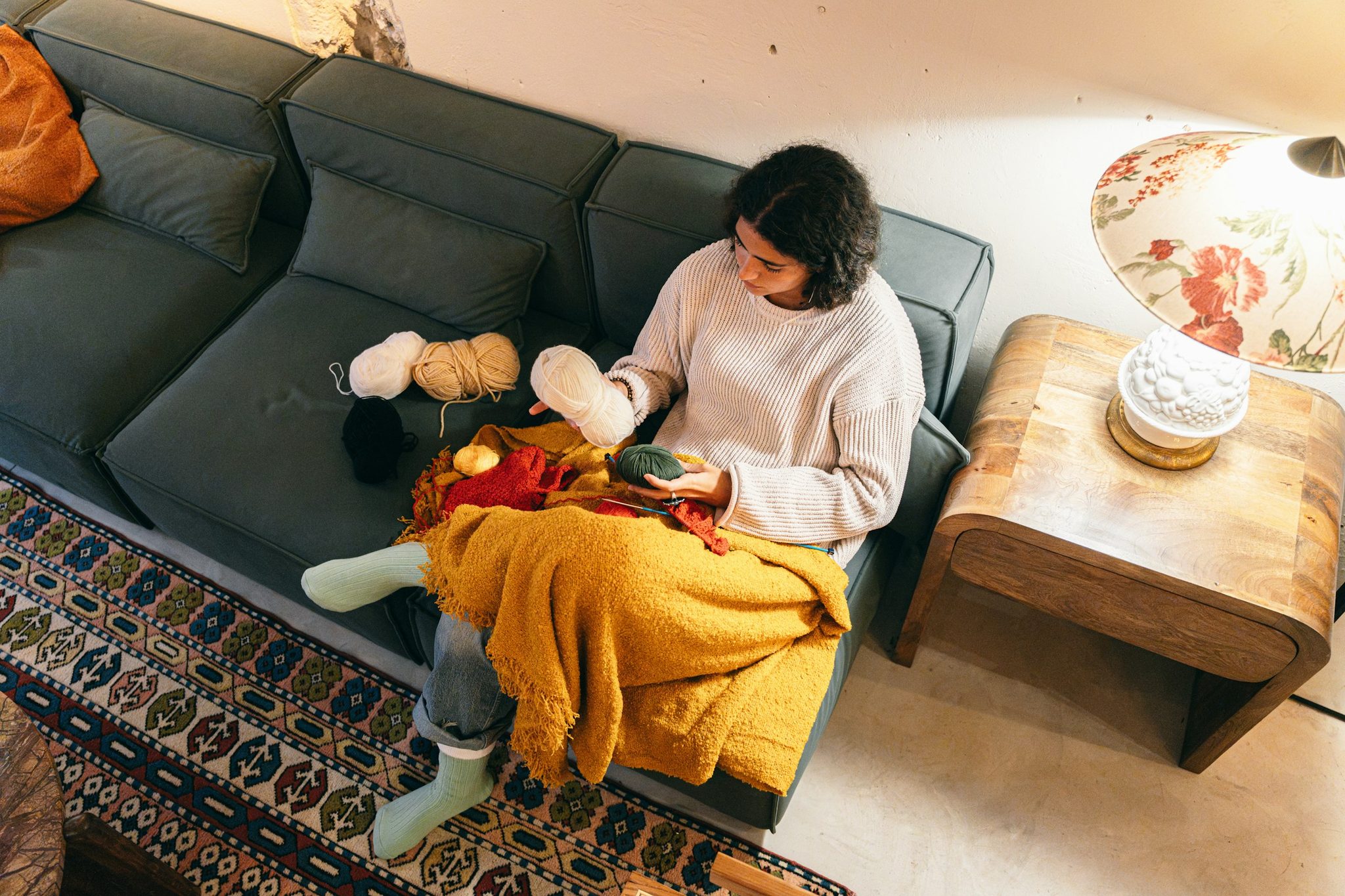
A rug can help bring the sofa and nearby furniture together as one seating area. Place the rug under the front part of the sofa and extend it towards the coffee table to create a clear and organised layout.
Avoid Overcrowding the Space
Avoid filling every part of the room with furniture. Keeping some open floor space makes movement easier and allows the 3-seater sofa to fit naturally within the layout.
How to Make a Small Living Room Feel More Spacious
Simple changes to furniture, lighting and decoration can make a small living room feel more open and comfortable.
- Maximise Natural Light: Keep windows free from heavy furniture or bulky decorations to allow more natural light into the room. This can make a compact living room feel brighter and more open.
- Create Vertical Storage: Make use of wall height with shelving or tall storage units. This keeps useful items off the floor while making better use of limited space.
- Keep Decorative Elements Simple: A smaller room can become visually busy when too many accessories compete for attention. A few well-placed decorative pieces can maintain character without overwhelming the layout.
- Use a Consistent Colour Palette: Similar colours across the sofa, rug, walls and other furnishings can create a more consistent look. Lighter shades can also help maintain an airy feel.
Conclusion
Arranging a 3-seater sofa in a compact living room starts with making good use of the available space. Keeping walkways clear, choosing appropriately sized furniture and positioning the sofa towards the main point of focus can create a practical layout. Rugs, natural light and simple storage can further help the room feel open and organised. With the right arrangement, a smaller living room can remain comfortable, functional and easy to move through.
Frequently Asked Questions
Where should a 3-seater sofa be placed in a small living room?
A 3-seater sofa can be placed against a wall or positioned opposite the room’s main focal point. The best location depends on doorways, windows, walkways and the placement of other furniture.
How much space should be left around a 3-seater sofa?
Enough open space should remain for comfortable movement around the sofa and access to nearby furniture. The exact amount depends on the room’s layout and the position of doors and pathways.
Is a 3-Seater Sofa Suitable for a Compact Living Room?
Yes, a 3-seater sofa can work in a compact living room when its proportions suit the available floor area. Keeping surrounding furniture appropriately sized can help prevent the room from becoming overcrowded.
What furniture works well with a 3-seater sofa?
Compact coffee tables, side tables, rugs and appropriately sized storage can complement a 3-seater sofa. Pieces with practical functions can help make better use of limited floor space.
How should other furniture be arranged around a 3-seater sofa?
Place other furniture so it supports the sofa without blocking walkways. Coffee tables, side tables and additional seating should be positioned with enough space for easy movement around the room.