
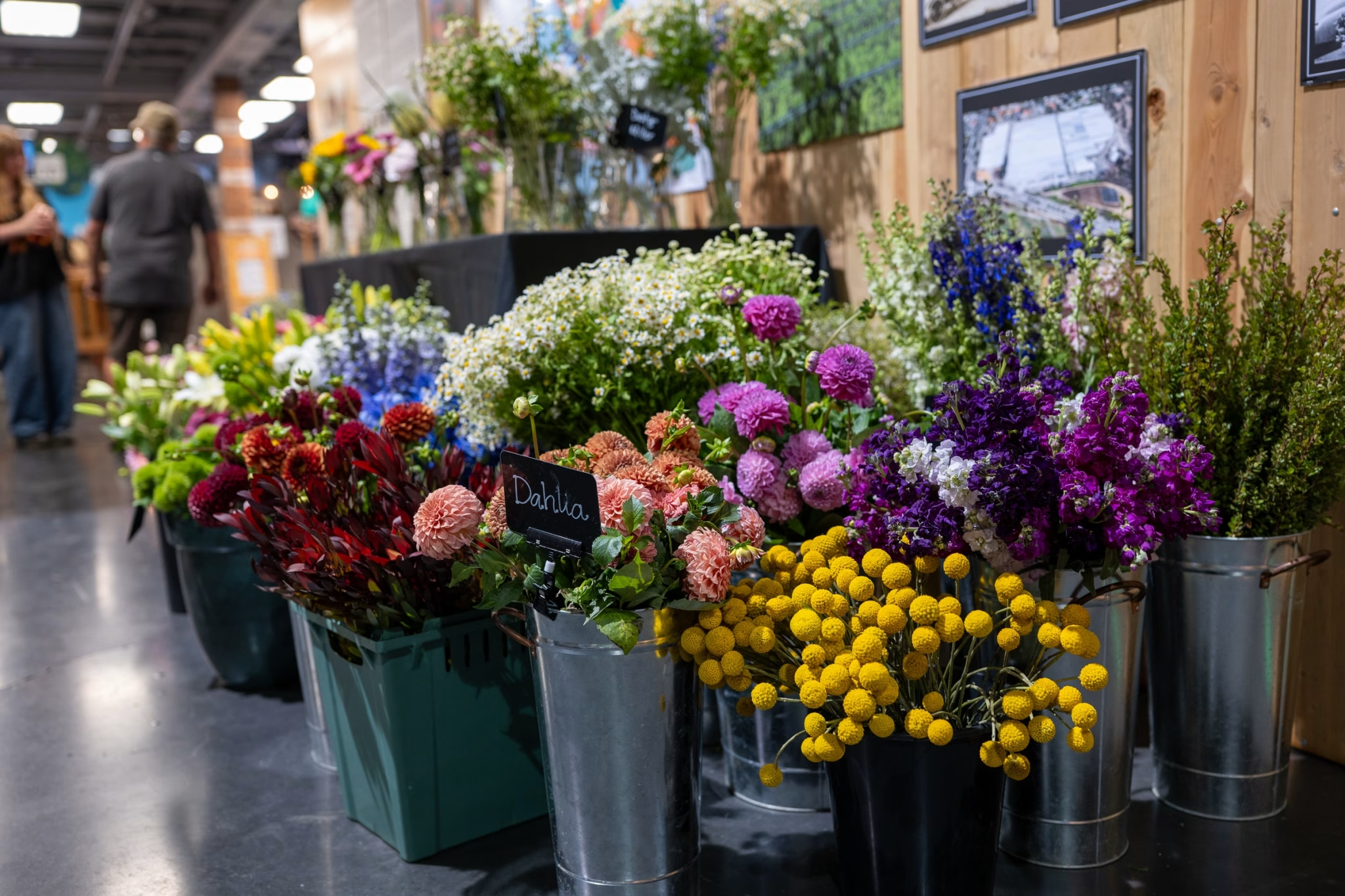
A display at the California State Fair, put together by a Sacramento wholesaler called Flora Fresh, makes a bold claim: a bunch of flowers on your counter can measurably lower your stress.
This is the companion to my guide on California’s flower fields and why the state grows most of America’s blooms.
Key Takeaways
- A 2024 randomized trial found flowers at home lowered stress in women more than a luxury candle or nothing at all.
- A Harvard-affiliated study found people living with fresh flowers reported more compassion and less anxiety within a week, though a florist trade group paid for it.
- The dose is small. The research works with an ordinary bunch.
- One bunch can become five small arrangements scattered through the house.
- A few stems where you look, like a nightstand or a desk, beat a big vase you walk past.
- Buy California grown and in season to get flowers that last longer and support the growers behind them.
The science: what flowers at home do
Start with the strongest study. In 2024, Erin Largo-Wight, a public health professor at the University of North Florida, published a randomized trial in the journal Ecopsychology. Her team gave 170 women one of three things for twelve days: fresh flowers delivered to the home, a luxury candle delivered the same way, or nothing at all. The women tracked their stress and mood the whole time.
Women living with them reported lower perceived stress than the women who got the candle and the women who got nothing. An earlier version of Largo-Wight’s work put a number on it: an average drop of about five and a half points on a standard perceived stress scale.
The candle is also a pleasant gift delivered to your door, so the comparison controls for the simple boost of receiving something nice.
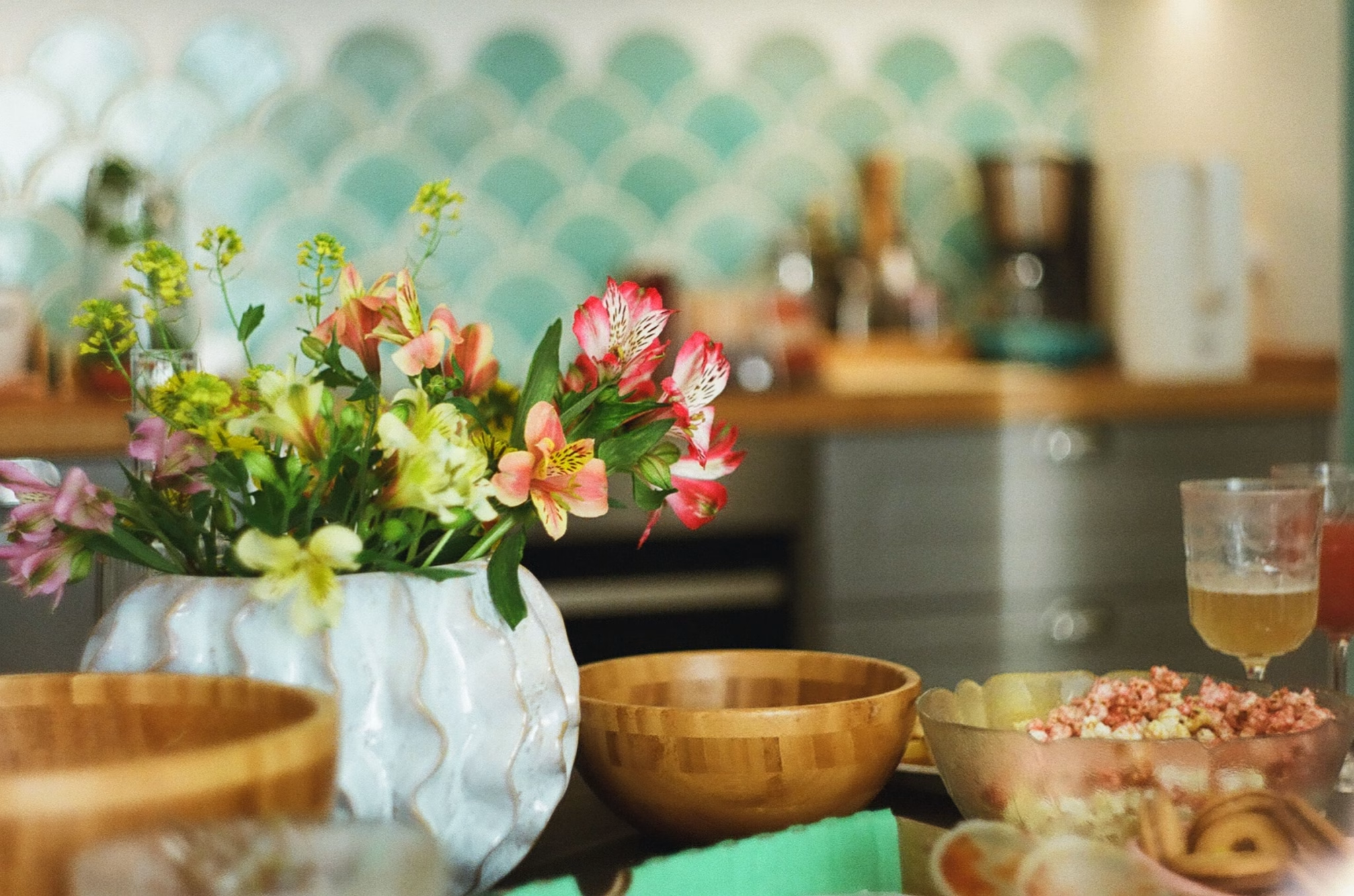
Her explanation is that flowers are a small, easy form of contact with nature, and nature contact is a well-established way to lower stress. You can put a bunch of ranunculus on the table.
The Harvard study, and an honest caveat
The other widely cited study is older. Nancy Etcoff, a psychologist at Massachusetts General Hospital and Harvard Medical School, ran what she called the Home Ecology of Flowers study. Across fifty-four people, she found that those living with fresh flowers for less than a week reported more compassion toward others, less worry and anxiety, and fewer low moods, with many noticing the biggest lift first thing in the morning.
The Society of American Florists funded that study.
The findings line up with the newer independent work. Still, hold the Harvard study a little more loosely than the 2024 trial.
Where the science thins out
A common florist claim is that orange is the happiest color and blue is the calmest, and that specific blooms carry specific moods. Treat that as folklore.
The evidence that a particular color reliably changes how you feel is thin and easy to overstate. Pick the colors you like.
The art: making one bunch last and matter
The research works with an ordinary bunch of flowers. The methods below come from the growers and designers at the fair, and I have put them into practice since.
Split one bunch into five
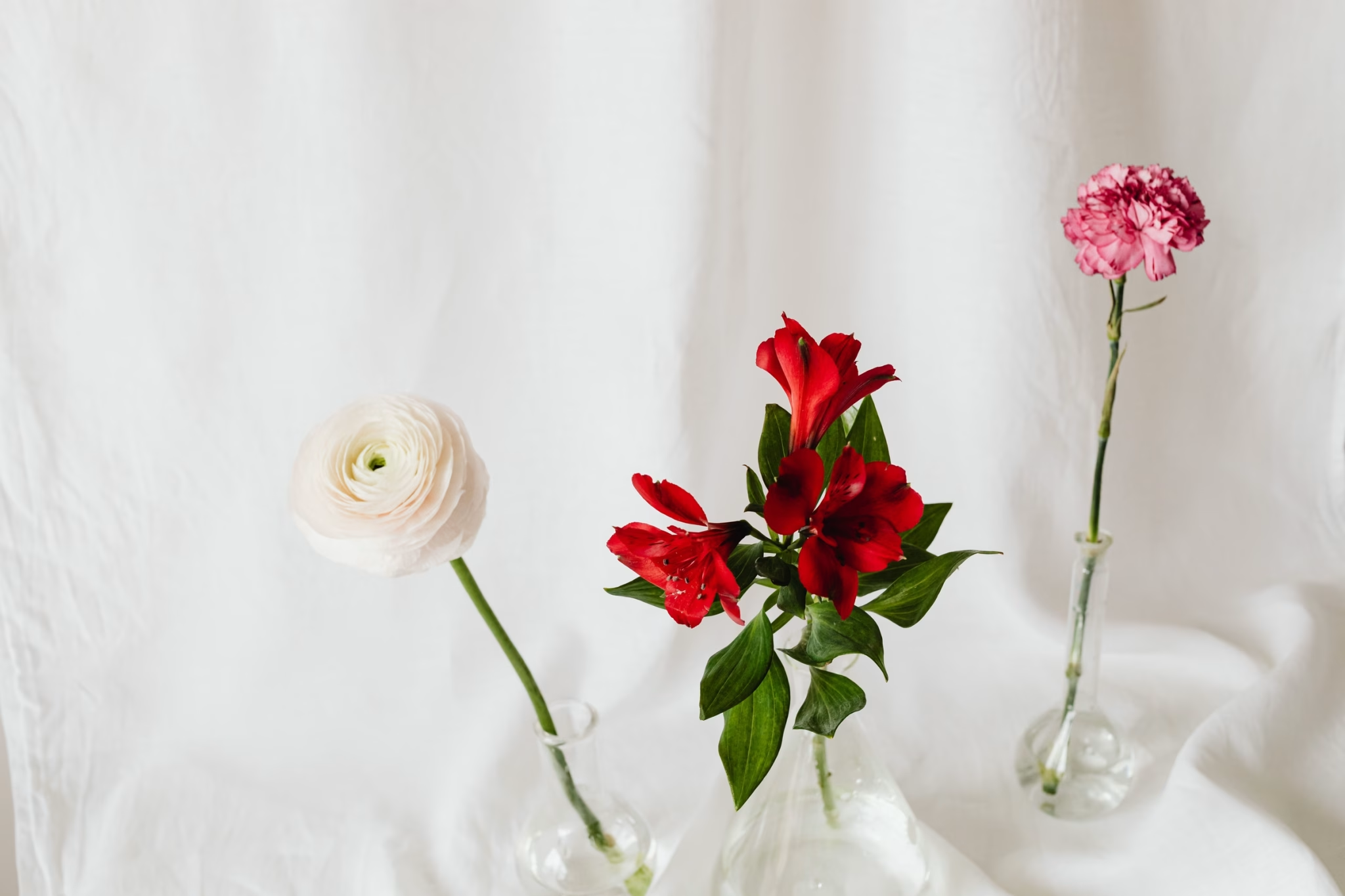
Buy one bunch, then break it up across small vases, jars, and even an old bottle, and place them in different rooms. You get a quiet hit of color in the kitchen, the bathroom, the desk, the nightstand. The point of the research is constant low-level contact, and scattering the flowers is how you get it.
Put them where you look
A single stem on a work desk or a bookshelf does more than a grand arrangement in a room you pass through twice a day. Etcoff’s participants reported a lift first thing in the morning, so the nightstand and the bathroom counter are smart bets. You see them first thing and last thing.
On a bad day, the designers steer you toward soft, quiet colors near the bed, blues and lavenders and pale greens.

Buy from the cooler, in season
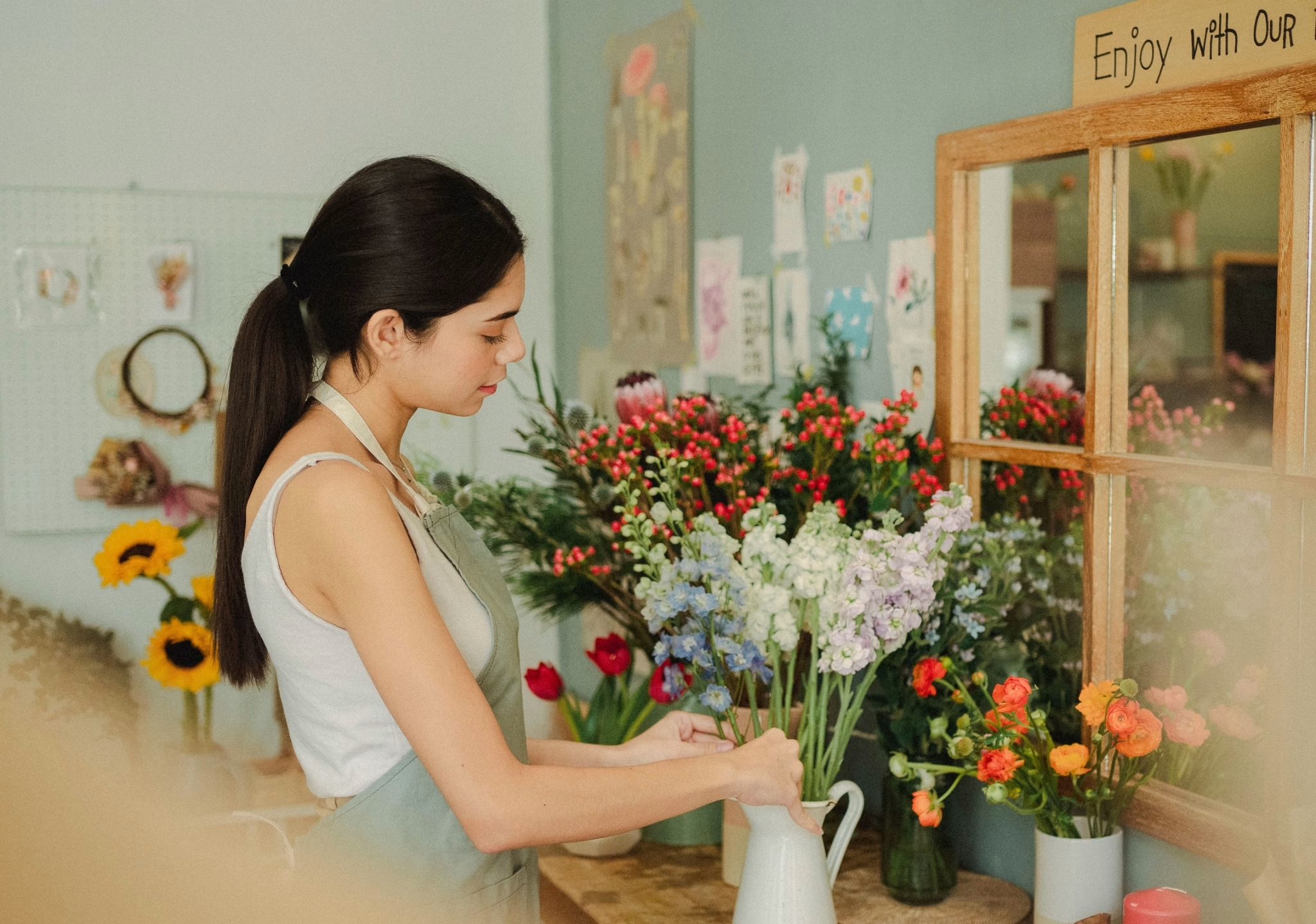
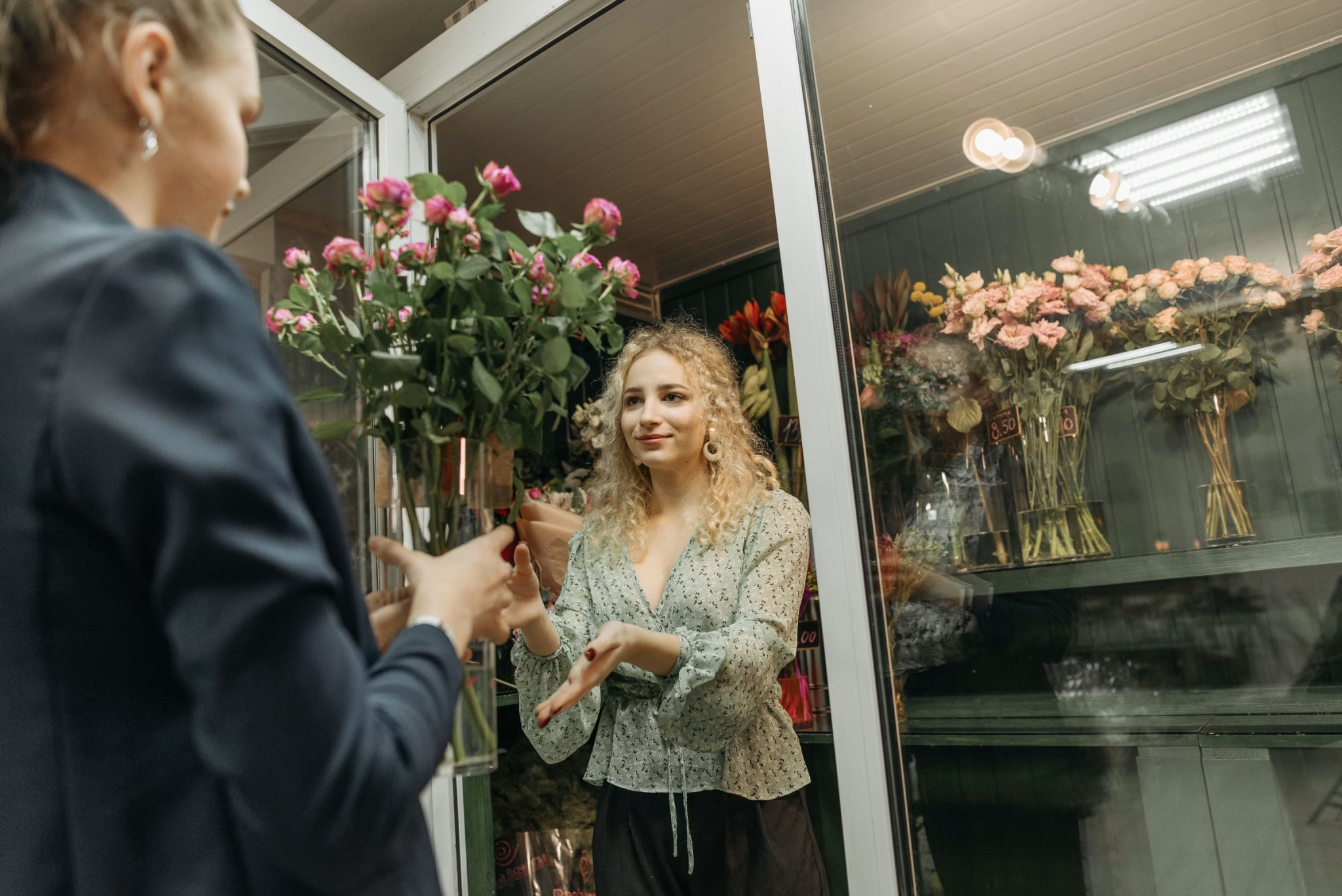
Walk into a real flower shop and ask what just came in. Flowers cut days ago and shipped across a hemisphere will never last like something grown up the coast and pulled from the cooler this week.
In-season, locally grown stems open slower and hold longer, which means your one bunch stretches further. Ask the florist what is California grown.
Flowers for other people
The designers at the fair had a name for giving flowers away, petal it forward. Buy two bunches, keep one, and hand the other to a stranger or leave it on a neighbor’s porch. It costs the price of a second bunch, and it lifts both of you.
Buy California grown
Most cut flowers sold in the United States are imported now, flown in from South America, which is why the ones grown here are worth asking for by name. California produces the large majority of America’s domestically grown flowers, from the Protea fields inland of San Diego to the iris and tulips up near Arcata.
Buying them keeps a century-old industry alive, one built by immigrant growers and nearly broken during the war. I told that whole story in the companion piece on California’s flower fields.
Frequently Asked Questions
Do flowers at home reduce stress?
Yes, according to the best available evidence. A 2024 randomized trial of 170 women found that living with fresh flowers for twelve days lowered perceived stress more than receiving a luxury candle or nothing. Earlier research reported an average drop of about five and a half points on a standard stress scale.
What are the benefits of having fresh flowers in the house?
Research links fresh flowers at home to lower stress, less anxiety and worry, improved mood, and more feelings of compassion toward others. The effects appear within a few days and, in one study, were often strongest in the morning.
Where should I put flowers at home for the biggest effect?
Put them where you look often, especially first thing in the morning: a nightstand, a bathroom counter, a kitchen counter, or a work desk. Splitting one bunch into several small arrangements across rooms gives you more frequent contact than one large vase.
How do I make cut flowers last longer?
Buy in-season, locally grown flowers straight from a florist’s cooler rather than long-shipped imports, since fresher stems last longer. Keep them in clean water, trim the stems, and keep them out of direct heat and sun.
Is the color of the flowers important for mood?
Less than florists suggest. The evidence that flowers improve mood is strong, but claims that a specific color reliably changes how you feel are weak. Choose colors you enjoy, and try soft blues, lavenders, and pale greens near the bed if you want a calming feel.
Can flowers in the house cause allergies?
Some can. The main airborne culprits are open-centered daisy-family flowers: daisies, sunflowers, chrysanthemums, and gerberas. Lilies carry heavy pollen too, though it is stickier and more of a staining problem than an airborne one, and pinching out the stamens helps. Low-pollen choices include roses, orchids, hydrangeas, and ranunculus. If anyone in the house is sensitive, tell your florist and ask for low-pollen stems.
Are California grown flowers better?
California grown flowers are typically fresher than imported ones because they travel a shorter distance, so they tend to last longer at home. Buying them also supports domestic growers, since California produces most of the cut flowers grown in the United States.
Article Updates
- July 19, 2026: Article published, drawing on the Flora Fresh flower-benefits display at the California State Fair and the underlying research by Erin Largo-Wight (2024) and Nancy Etcoff.


