When you think about guns, hunting and home defense probably come to mind first. But shooting can also let you pick up a new hobby. Skeet is one of the most fun ones to try.
The sport involves shooting clay targets as they fly through the air. It’s fast and surprisingly addictive. Skeet is actually even an Olympic sport. It all sounds impressive. Until you step up for your first round. Those clays move quickly. And beginners can struggle to find their rhythm. Here are seven skeet shooting tips for your first day at the range.
1. Learn the Range Rules
Your first day at a skeet range can be overwhelming. People move between stations. Shotguns are firing away. Clay targets fly overhead. Give yourself time to learn how the range works. Listen to the range officer. Read the rules posted. Know when you can load, where you can point the muzzle, and when the gun needs to stay open.
Ask questions before your round starts. A good range will expect beginners to need guidance. Knowing the routine keeps you from guessing once you step into the stand. It also lets you focus on the sport. Not spend all day wondering if you’re doing something wrong.
2. Wear Eye and Ear Protection
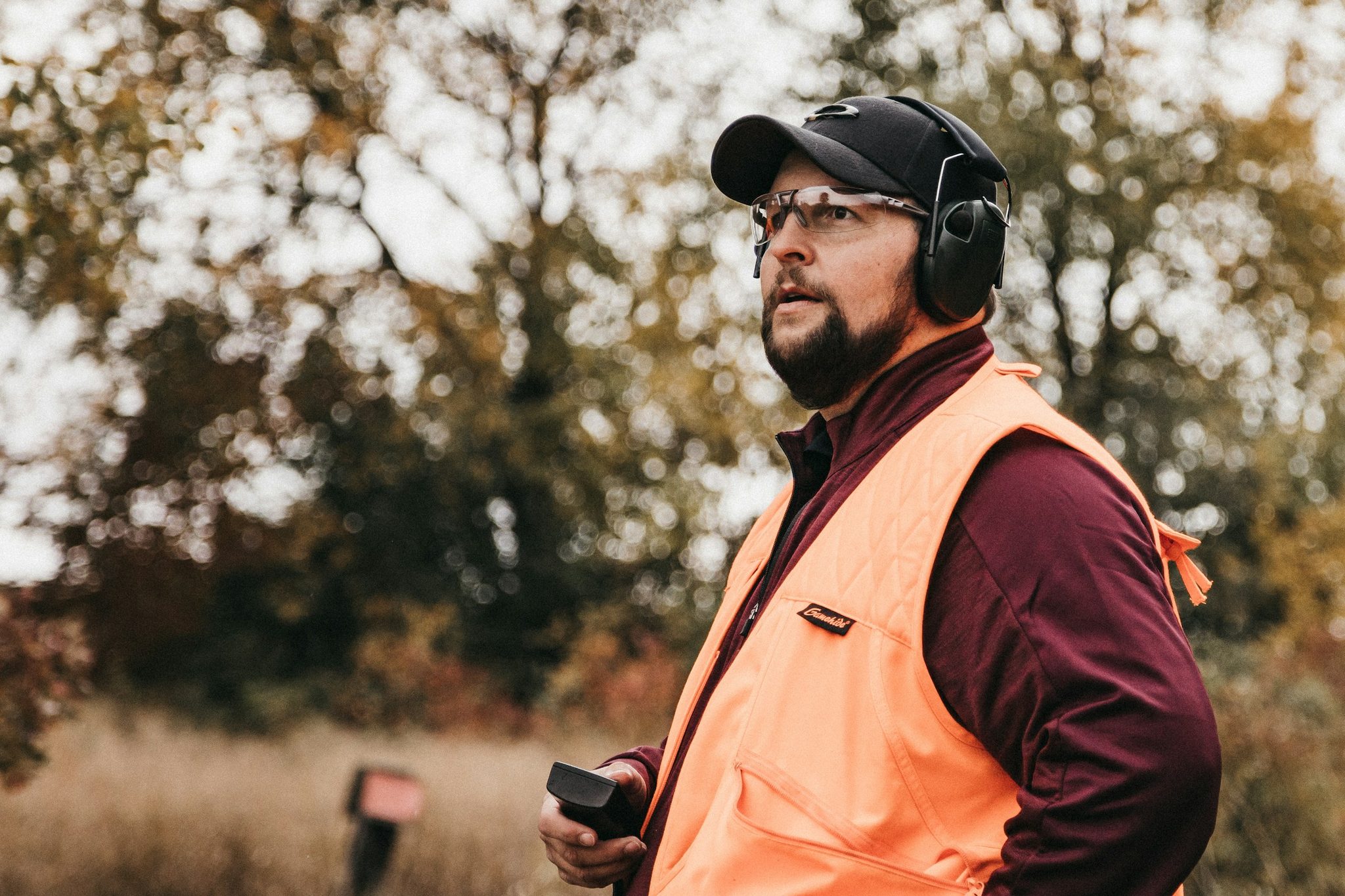
Skeet shooting gets loud. A shotgun blast produces enough noise to damage your hearing. Even when you’re outdoors. Clay fragments can also fly back toward the shooting area. That makes eye and ear protection a must. Think of it as standard range gear. Like wearing a helmet before hopping on a bike.
Put your protection on before you enter the shooting area. Make sure your glasses sit securely but still give you a clear view. Your hearing protection should fit comfortably. Good gear lets you concentrate on the clay instead of flinching.
3. Watch a Few Rounds Before Your Turn
Skeet can look simple from behind the fence. Then, the first clay launches. And you realize how quickly everything happens. Watching a few rounds gives you a chance to see the rhythm before you have a shotgun in your hands. Notice how shooters move between stations. Watch when they call for the target. And how quickly the clay travels across the range.
You don’t need to copy every movement you see. Just get familiar with the pace. Pay attention to the sequence of each turn. That little bit of familiarity can make your first turn less chaotic.
4. Use the Right Shells for Skeet
The ammunition you bring should match the hobby. Skeet uses target loads designed for clay shooting. It’s different from the heavier ammo people might choose for hunting. And yes, it’s legal to buy them online.
When you shop for 12 gauge shotgun shells you’ll see a wide range of loads made for different activities. That includes stuff like hunting and home defense. But for skeet, #9 shot is a common choice. The smaller pellets suit target shooting with light clay. They spread well across the target’s flight path, too. The right load sets you up for skeet success.
5. Keep Your Eyes on the Clay
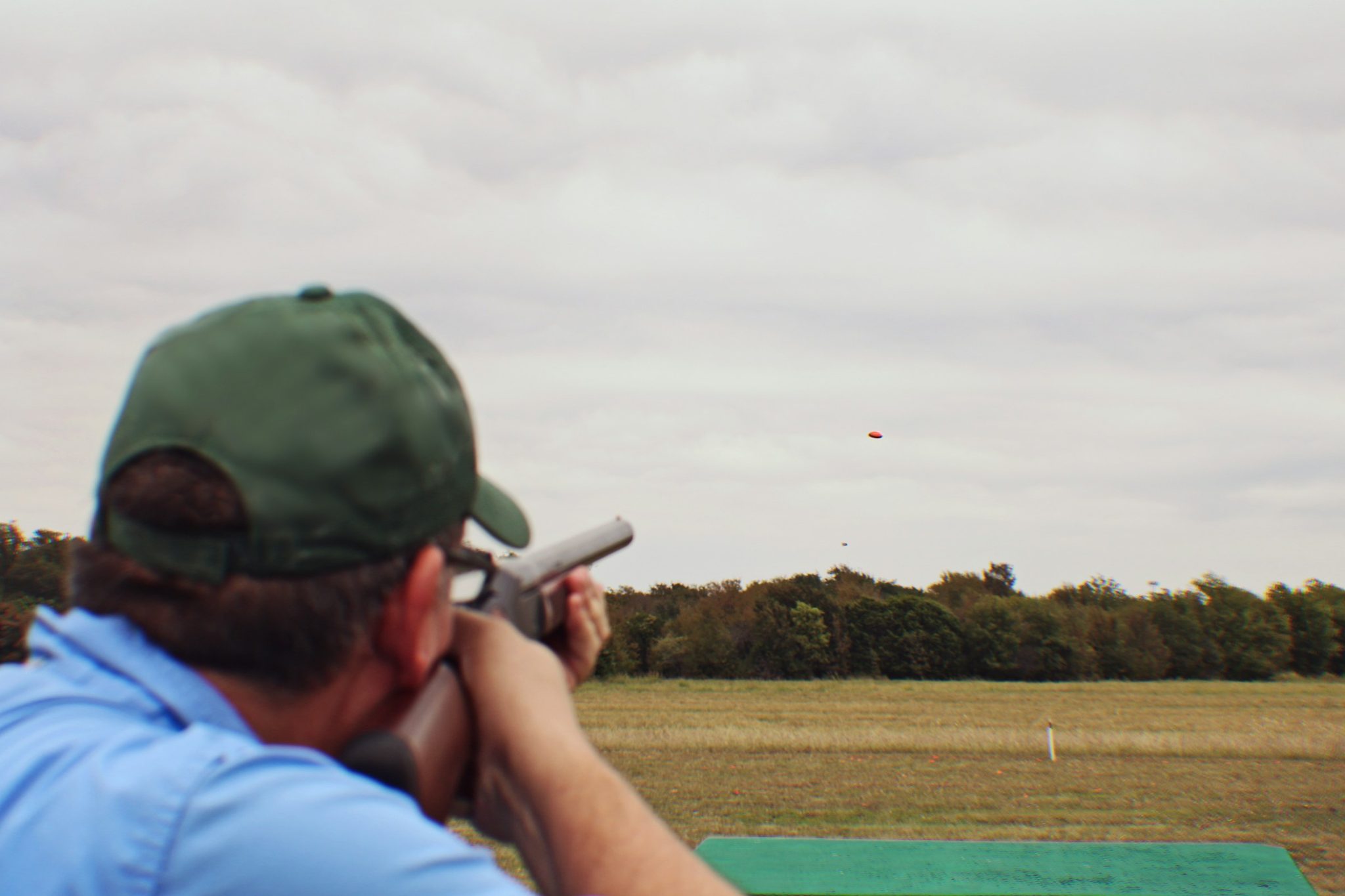
New shooters often get distracted by the shotgun. You start thinking about your hands. Your stance. Where the barrel is pointing. That pulls your attention away from what you actually need to track: the clay. Skeet rewards visual focus. Keep your eyes on the target as it moves.
Watch the clay as soon as it leaves the house. Follow its flight with your eyes instead of looking down at the gun. Keep your head comfortably positioned. Resist the urge to look at the barrel.
Then let your upper body follow its motion. Keep your feet planted. Avoid twisting wildly. Let the gun move naturally with your eyes. Bring it up smoothly as you track the clay. Keep the movement controlled as you follow its path. Focus and smooth movement give you a better chance of staying connected with the target.
6. Reset Quickly After Every Shot
A miss can mess with your head. You might replay the shot while the next target’s coming up. Don’t carry one mistake into the next turn. Start fresh. Treat each target as its own attempt.
After a shot, bring your attention back to the routine. Follow the range’s loading and unloading procedures. Take a breath. Get ready for the next target. You can discuss your technique with your instructor between turns. During the round, keep your mind on the clay in front of you.
7. Expect to Miss Plenty of Targets at First
Your first round may be humbling. You watch someone break clay after clay. You think, “How hard can this be?” Then, you take your turn. The target disappears across the sky. Your shot goes nowhere near it. That’s completely normal for someone learning the sport. Skeet takes practice.
Don’t beat yourself up for missing shots. Look for one thing to improve during each turn. Maybe your timing feels rushed. Or you lose sight of the clay. With practice, those details become easier to spot. Stick with the sport, and those misses can turn into shots you’re proud of.
Conclusion
Your first round of skeet may come with misses. That’s part of the fun. Want to do better next time? Watch experienced shooters before you step up. Get the right shells for clay targets. Move with the clay instead of running after it. Give yourself time to settle in. You’ll enjoy the process better. With a few rounds under your belt, you may start seeing why skeet keeps shooters coming back.