Older cooling units struggle to maintain a comfortable indoor temperature when outdoor temperatures skyrocket. Upgrade to a modern system to reduce monthly utility bills. New technology provides superior climate control with less strain on the electrical grid.

Homeowners can enjoy a refreshing indoor environment without worrying about excessive energy waste. Making a smart choice demands a clear understanding of current options, financial incentives, and efficiency standards.
The Importance of Upgrading Your Cooling System
Summer heat can place a massive strain on older equipment. Invest in modern AC system installs that can lower energy consumption. Homeowners notice immediate utility savings after replacing outdated units. Modern equipment operates smoothly and reliably during the hottest months of the year.
Old air conditioners require constant repairs and maintenance. The costs of fixing worn components can add up quickly. Replacing an old unit eliminates the stress of unexpected breakdowns. New systems provide consistent airflow and better humidity control throughout the entire living space.
Upgraded units use advanced engineering to optimize performance. A quiet home environment increases daily comfort for the whole family. Choosing a green upgrade will reduce the carbon footprint of your household.
Understanding High Efficiency Ratings
Cooling systems carry labels that indicate their overall performance capabilities. The Seasonal Energy Efficiency Ratio measures how efficiently a unit cools a home during a typical season. Higher numbers mean the system uses less electricity to deliver the same amount of cold air. Buyers should look for these ratings when comparing different models on the market.
Purchasing high-efficiency systems can slash future cooling demand by 45 percent. Lowering demand eases the burden on local energy infrastructure during heatwaves. High ratings represent a direct investment in long-term financial predictability.
System efficiency depends on advanced compressors and variable-speed fans. Traditional units turn completely on or completely off, which wastes electricity. Modern systems adjust their output to match the precise cooling needs of the home. Constant minor adjustments keep indoor temperatures perfectly stable.
The Financial Perks of Going Green
The long-term savings outweigh the initial purchase price within a few years. Homeowners experience lower monthly operation costs from the very first day. Savings accumulate over the lifespan of the equipment.
Recent federal income tax credits provided homeowners up to $3,200 to reduce upgrade costs by 30 percent. Financial programs make green technology accessible to more families. Take advantage of these opportunities to lower the total cost of ownership. Property owners can upgrade their equipment.
High-efficiency systems can increase the market value of a residence. Buyers appreciate homes with updated, energy-saving infrastructure. A modern cooling setup is an attractive selling point.
Exploring Government Incentives and Credits
The government rewards citizens who take active steps to reduce energy consumption. Tax forms contain special sections dedicated to clean energy modifications. Homeowners making qualified upgrades after the start of 2023 can qualify for a credit of up to $3,200. The credit applies to a variety of mechanical improvements.
Local utility companies offer additional rebates for efficient models. Local financial incentives combine with federal credits to maximize savings. Check local programs before making a purchase. Saving money becomes simple when you utilize all available programs.
Selecting the Right Size for Your Home
An oversized system will cool a space too rapidly without removing moisture. A small system will run continuously and cause excessive wear on mechanical parts. Professionals calculate the exact heating and cooling loads of a building.
Proper sizing can assess multiple physical characteristics of a home. Technicians examine the insulation levels in the walls and attic. They count the number of windows and evaluate their solar heat gain. Consider the following factors when preparing for a calculation:
- The total orientation of the house relative to the sun
- The average number of residents living in the home
- The local climate conditions and annual humidity levels
- The presence of existing ductwork and its sealing
A precise match guarantees optimal system performance for many years. Well-sized units maintain a steady temperature. Comfort remains consistent in every room of the house.
Smart Technology and Modern Thermostats
Modern cooling upgrades work best when paired with smart controls. Programmable devices allow homeowners to establish custom schedules for different days. Temperatures can adjust automatically when residents leave for work or school. Smart controls eliminate the need for manual thermostat adjustments.
Many advanced models connect directly to home wireless networks. Users can monitor their energy usage through smartphone applications. Adjusting the temperature from a remote location provides unmatched convenience. Settings can be altered before you arrive home from a long trip.
Some thermostats use artificial intelligence to study daily habits. The system tracks when the house is empty and optimizes cooling cycles. Intelligent management prevents empty rooms from receiving maximum airflow.
Environmental Benefits of Modern Refrigerants
Older cooling systems relied on substances that harmed the atmosphere. Modern upgrades utilize advanced chemical formulations with zero ozone depletion potential. Regulatory shifts drive the transition toward safer, sustainable cooling alternatives.
Eco-friendly refrigerants absorb and release heat more effectively than older fluids. The chemical efficiency translates directly into lower mechanical stress for the compressor. Systems operate with smaller charges of refrigerant. Manufacturers design new components to comply with strict global environmental standards.
Reducing greenhouse gas emissions starts at the residential level. Households that switch to sustainable cooling combat global warming. Sustainable choices form the foundation of a greener community.
Long-Term Maintenance for Lasting Efficiency
Regular care keeps a cooling upgrade performing at its peak level. Simple tasks prevent minor issues from turning into expensive mechanical breakdowns. Homeowners can handle basic upkeep items regularly. Professional technicians should handle complex electrical and chemical inspections annually.
Maintaining a clean system preserves the airflow necessary for optimal operation. Dust and debris block heat transfer and force the equipment to work harder. Simple maintenance tasks extend the operating life of all moving parts. Follow these basic steps to keep a system running smoothly:
- Replace the air filters every 3 months
- Clear weeds and leaves away from the outdoor unit
- Keep indoor supply vents open and unblocked
- Inspect the condensate drain line for clogs
Monthly energy bills will rise as the system struggles to perform. Taking proactive care of your investment secures comfort and savings for the future.
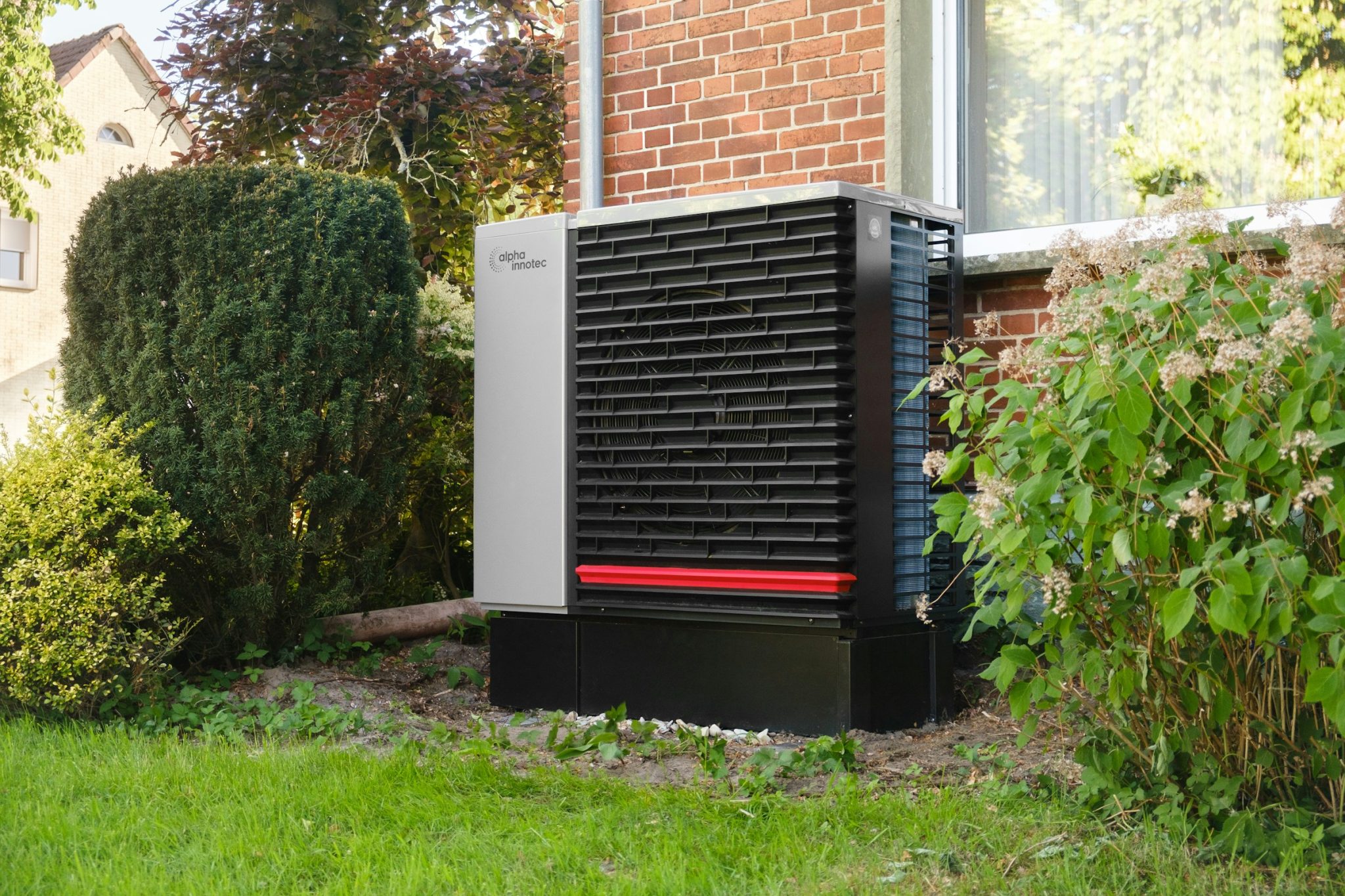
The initial investment pays off through lower utility bills and government incentives. Modern upgrades provide excellent climate control and protect the natural environment.
Choose the right size and use smart controls to maximize your long-term savings. Regular maintenance guarantees the system operates reliably. Property owners can take pride in creating a comfortable, sustainable home.