For many homeowners, the thought of selling their property without a real estate agent can feel intimidating. After all, agents handle marketing, showings, negotiations, and paperwork—but they also take a sizeable commission, typically around 5% to 6% of the sale price. In hot markets, that fee can mean tens of thousands of dollars out of your pocket.
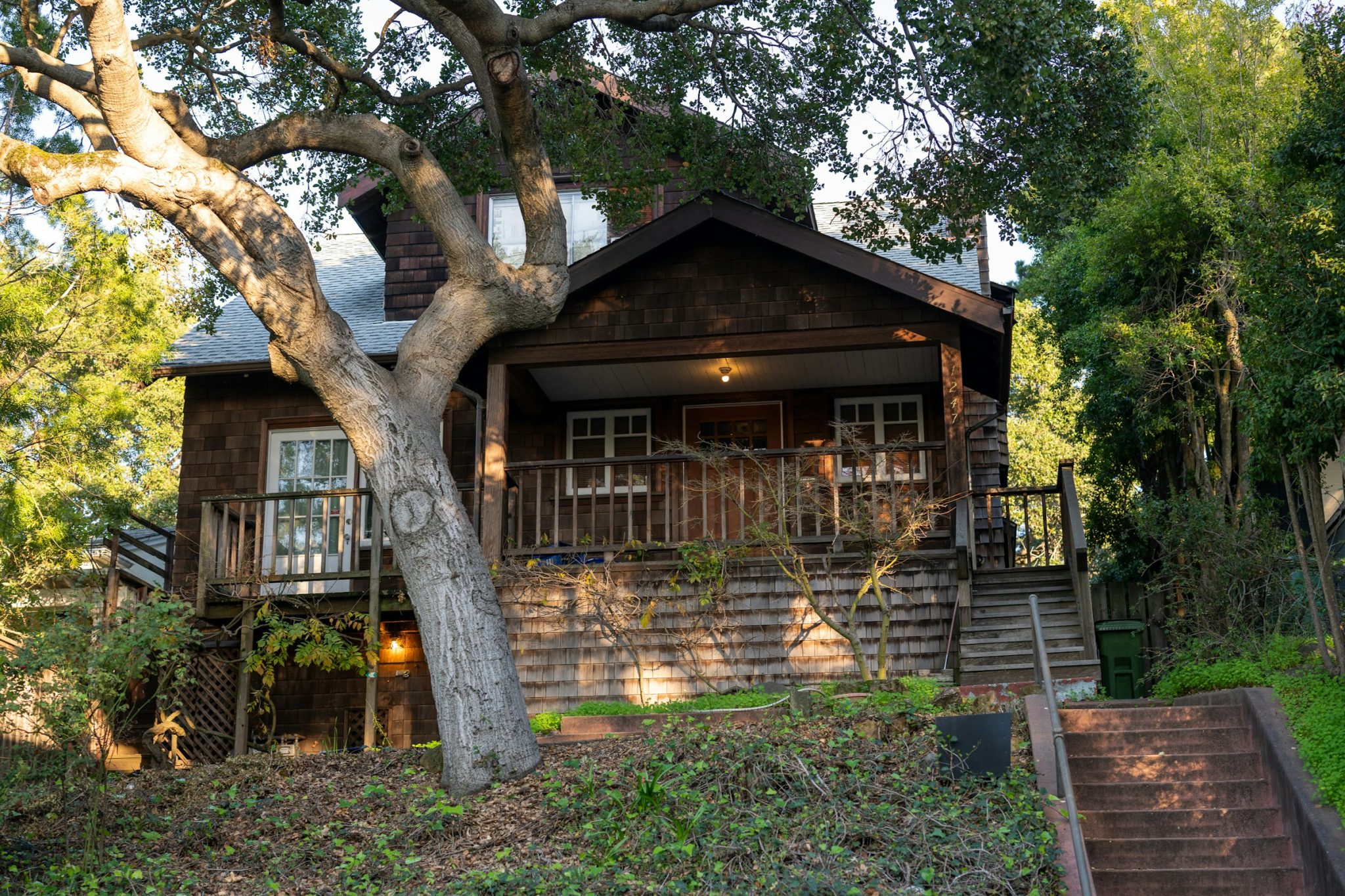
It’s no surprise that more and more people are exploring how to sell their house on their own. Whether you’re looking to save money, maintain control, or speed up the process, going the “For Sale By Owner” (FSBO) route can work—if you understand the steps involved and what to expect.
Selling without an agent means stepping into multiple roles: marketer, negotiator, coordinator, and, to some extent, legal guide. It doesn’t mean you have to go it entirely alone, but you do need a solid plan and the confidence to stick with it.
Pricing It Right from the Start
The biggest mistake FSBO sellers make is overpricing their home. Without a proper comparative market analysis, it’s easy to assume your home is worth more than it really is—especially if you’ve invested in upgrades or have an emotional attachment. But buyers don’t care about your memories; they care about value. And if your price is too high, your listing could sit stale while others get snapped up.
Researching recently sold homes in your area that are similar in size, style, and condition is crucial. You’ll also want to track current listings that would compete with yours and price accordingly. Remember, the first 7–10 days on the market are critical. That’s when you’ll attract the most serious buyers, and if you miss that window, you’re at risk of needing price reductions just to stay relevant.
Showcasing the Right Image
Your marketing will make or break your sale. High-quality photos, well-written descriptions, and strategic placement on popular home listing sites are the keys to grabbing attention. Staging your home—even with minimal tweaks like decluttering and rearranging furniture—can help potential buyers imagine themselves in the space.
Most people scroll through listings quickly, so your visuals need to stand out. Lighting, angles, and cleanliness matter. If you’re not confident with photography, it’s worth hiring a professional for this part. It’s a one-time investment that can seriously boost your chances of generating buyer interest.
Curb appeal is just as important. The first impression buyers get when pulling up to your home sets the tone for the entire showing. Trim the lawn, clean the porch, and consider a fresh coat of paint on the front door.
The Logistics of Showings and Negotiations
Without an agent, you’ll be coordinating showings on your own. That means responding to inquiries, setting up appointments, and making sure your home is clean and available when potential buyers want to see it. Flexibility is key here—many buyers work during the day, so evening or weekend availability will increase your chances.
When offers start coming in, it’s important to stay objective. Emotions can cloud judgment, especially if a buyer offers less than you expected. Don’t take it personally. Instead, treat it like a business transaction. Evaluate the full terms of each offer—not just the price, but contingencies, financing conditions, and proposed timelines.
Some sellers prefer to skip the open market altogether and look for direct buyers. Dallas cash buyers offer a different kind of selling experience, especially for homeowners who want to avoid the listing process, repairs, and drawn-out negotiations. Cash buyers typically purchase homes as-is and close quickly, which can be a major relief if you’re on a tight schedule or simply don’t want to deal with the traditional route.
This can be particularly helpful in situations involving inherited homes, properties that need significant repairs, or sellers relocating on short notice. By removing financing hurdles and buyer inspections, cash sales can streamline the process dramatically.
Navigating the Paperwork and Closing
One of the more intimidating aspects of selling without an agent is handling the legal side. Fortunately, you don’t need a law degree—you just need to be thorough. Real estate transactions require specific documents that vary by state, including the purchase agreement, property disclosures, title information, and sometimes inspection reports.
In most cases, hiring a real estate attorney or closing agent to help with these documents is well worth the cost. They’ll ensure you meet local legal requirements, manage the escrow process, and help avoid costly mistakes. It also gives both you and the buyer peace of mind that the transaction is legitimate and protected.
If you’re working with a buyer who is obtaining financing, the timeline to close may stretch 30 to 45 days. During this time, inspections, appraisals, and underwriting will take place, and you’ll need to stay responsive. If you’re selling to a cash buyer, that timeline can often be reduced to a week or two, depending on how quickly the title can be cleared.
Knowing When FSBO Isn’t the Right Fit

While selling your home yourself can lead to big savings and more control, it’s not the best route for everyone. If you’re unfamiliar with your local market, uncomfortable with negotiations, or don’t have the time to manage showings, you might end up costing yourself more in delays or mistakes than you save in commission.
There’s also the emotional side. Selling a home can be stressful, and if you’re not able to separate your role as a seller from your attachment to the property, it might be worth having someone else handle the transaction.
Still, for many homeowners, FSBO is a smart, empowering path. With the right preparation and support—whether that’s from a real estate attorney, a photographer, or a local buyer—you can absolutely navigate the process successfully.
Final Thoughts
Selling your home without an agent puts you in the driver’s seat. You control the pricing, the messaging, and the pace. You can choose how to market, who to sell to, and what terms to accept. While it may take more effort upfront, it also offers a level of flexibility and savings that many homeowners find worthwhile.
Like any big decision, it comes down to your goals. If speed, simplicity, and convenience matter most, working with a trusted buyer or company that understands the local landscape can be the quickest route. But if you’re ready to take on the challenge, going the FSBO route might be one of the most rewarding financial decisions you make.