
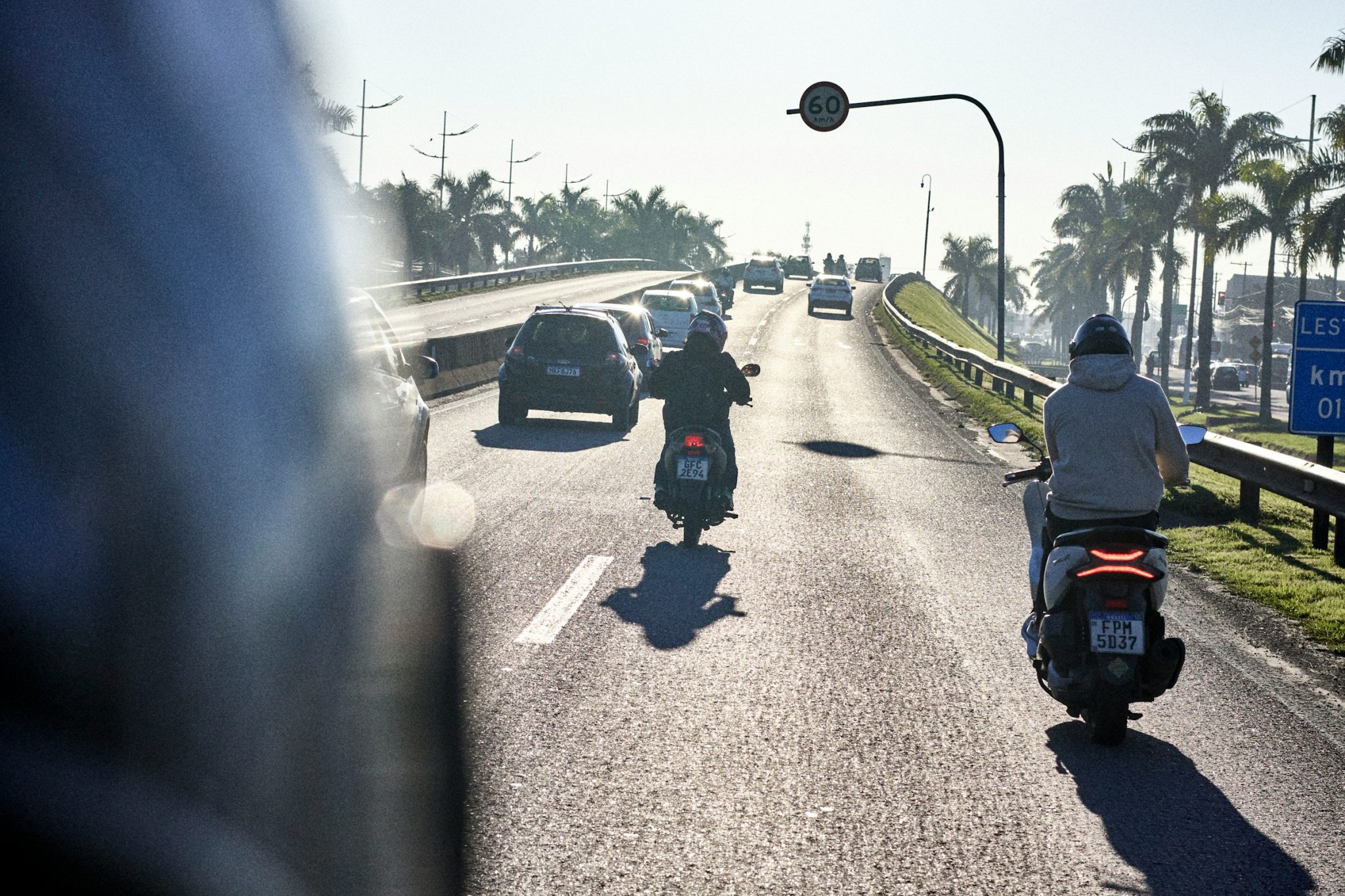
Lane splitting remains a hot topic among California riders, with strong opinions on both sides. Some researchers argue it can actually reduce certain types of dangerous rear end collisions. Other studies suggest lane splitting increases risk when speeds vary far too much overall. Riders who understand both sides of the debate tend to make safer choices on the road. Lane splitting research keeps evolving as new studies come out each year. Riders who keep up with new research tend to feel more prepared when they hit the road.
Research Shows Mixed Results on Safety
Clients working with the attorney at Salamati Law get a serious risk review and a clear walkthrough of what might happen next. One well known university study found notably lower crash rates during proper lane splitting. However, these particular results often depend heavily on current speed and traffic conditions overall. Attorneys often bring up current lane splitting laws when guiding motorcyclists who were injured in a crash. Crash data alone cannot fully explain why certain accidents happen so often on freeways. When studying rider safety, the story behind the numbers usually matters more than the numbers on their own.
Speed Differences Increase Crash Risk Significantly
Big speed differences between motorcycles and cars tend to make crashes a lot more serious. Riders moving much faster than surrounding traffic usually have far less time to react. Sudden lane changes by drivers become especially dangerous during faster lane splitting maneuvers. When speeds stay closer together, riders and drivers tend to walk away from crashes in better shape. Riding closer to the speed of traffic reduces the overall chance of a crash. When studying rider safety, the story behind the numbers usually matters more than the numbers on their own.
Lane Splitting Remains Legal in California
California remains the only state that clearly allows lane splitting under current traffic law. State guidelines encourage riders to split lanes only at reasonably safe and cautious speeds. Officers still use judgment when deciding whether a rider was actually being careless. Legal status alone does not automatically protect a rider from being found at fault. Insurance companies often examine speed and behavior closely after any reported lane splitting crash. Riders who know the legal boundaries tend to make smarter, safer decisions once they hit the road.
Driver Awareness Plays a Major Role
Many drivers simply do not expect motorcycles to appear between two moving lanes. This lack of awareness can lead to sudden and dangerous unplanned lane changes. Mirror checks and turn signals often fail to account for a splitting motorcycle. Distracted driving makes these already risky situations even more unpredictable for everyone involved. Teaching drivers more about lane splitting could go a long way toward preventing crashes. Awareness campaigns can go a long way toward keeping riders safer once they are out on the road.
Liability Questions Often Follow These Crashes

Determining fault after a lane splitting crash can be surprisingly complex and detailed. Both the rider and the driver may share some percentage of overall blame. Fault usually comes down to how fast everyone was going, how much space they had, and whether they could see each other. Dash camera footage and witness accounts can also make a strong case for either side. Insurance adjusters often argue riders assumed extra risk simply by splitting lanes at all. Investigators usually find it easier to pin down fault once they dig into the full details of a crash.
California law permits lane splitting, though every crash still gets judged on its own facts. Speed and spacing often explain why a crash happened, not just where the rider was positioned. Riders who match the flow of nearby traffic tend to run into fewer accidents and legal headaches. A rider who gets hit while splitting lanes did not necessarily cause the crash that followed. Insurance adjusters sometimes blame the motorcyclist right away, though later evidence can prove them wrong. Investigators typically dig into the crash scene, reviewing footage and talking to witnesses first hand. Footage and witness accounts usually decide how a lane splitting claim gets resolved in the end.