
Two houses on the same street in Frisco. Same builder, same floor plan, same year. One owner pays a little over six thousand dollars a year. The other pays closer to nine. Nobody lied on a form, nobody got lucky, and neither bill is a mistake.

That gap frustrates people because it feels random. It is not. Texas doesn’t have one property tax system. It has hundreds of small ones stacked on top of each other, and the property tax percentage in texas that shows up on your bill is really just the sum of every local district that decided it needed money that year. Understand who’s stacking, and the number stops looking arbitrary. property tax percentage in texas
I’ve spent enough time around Texas appraisal districts to say the quiet part plainly: your rate is a political number, and your value is an opinion. The second one is negotiable. Most homeowners argue about the first one, which they can’t change, and ignore the second, which they can.
Who actually sets your rate
Your county didn’t set your tax rate. Neither did the state. Four or five separate entities did, each on its own schedule, each with its own board, and each with a budget it has to fill.
Here’s the cast:
- The school district, which usually eats the largest share of your bill by a wide margin
- The county, funding roads, courts, and the jail
- The city, if you live inside one
- The community college district, which quietly covers huge swaths of the state
- Special districts for water, hospitals, or emergency services, depending on where you sit
Move two miles and you can cross a city limit, a college district line, and an emergency services boundary. Three new sets of budgets now apply to the same house. That is the whole mystery of the rate map. It’s not that some counties are greedy. It’s that some addresses sit under more layers of government than others, and every layer adds.
School funding is the loudest variable. Districts get money from the state and from local taxes, and when local property values rise, the local share carries more weight. A district with flat enrollment and aging buildings sets its rate one way. A district adding classrooms every August sets it another. You feel that difference in your escrow, not in a headline.
Why your neighbor’s number moved and yours didn’t
Rates are only half the story. The other half is the value the appraisal district assigns to your property, and that number is not a fixed fact. It’s an estimate produced by mass appraisal, done fast, from a desk, using models that lump neighborhoods together.
Mass appraisal is the key phrase and the source of most problems. A district can’t send an appraiser to walk through every home every year. So it groups similar properties and applies trends. When those groups are drawn too wide, a 1980s ranch house with a gutted kitchen gets treated like the renovated one two doors down. Same neighborhood, same vintage, wildly different condition, similar value.
Then comes the homestead cap. If you filed for a homestead exemption, the taxable value of your primary residence can only climb a set percentage in a year, which means your bill doesn’t jump the way a neighbor’s does if they never filed. Plenty of people don’t file. They assume the county will do it for them. It won’t. That single piece of paperwork is why one household absorbs a spike and the other coastes through it.
Bond elections matter too, and they’re sneaky. Voters approve a school bond in a low turnout May election, and the debt service shows up in your rate years later, long after anyone remembers voting. Nobody campaigns against it the second time around because there is no second vote.
A five step check you can run before protest season
The window to protest in Texas opens in the spring and closes tight, usually May 15 or thirty days after your notice arrives, whichever is later. You do not want to be learning your numbers that week. Run this in February instead, on a Sunday, with coffee.
- Pull your notice and find your taxable value, not your market value. They’re different numbers and only one of them is what you’re billed on.
- Confirm every exemption you qualify for is on the record. Homestead, over 65, disability, disabled veteran. Each one is worth real money and each one has to be claimed.
- Find four to six comparable sales from the past year in your immediate area, and write down actual sale prices, not listing prices. Neighbors talk, and county records are public.
- Photograph anything that makes your home worth less than the model assumes. Foundation work, a dead AC unit, a flooded garage, a busy feeder road behind the fence.
- Write one sentence: “My property is valued at X, comparable homes sold for Y, and here is the evidence.”
That last step is the one people skip. A protest isn’t a complaint. It’s an argument, and arguments need evidence attached. Walk in with a folder and you’ll get further than someone who walks in frustrated and empty handed.
For broader context on how property taxes work nationwide, the U.S. Census Bureau publishes housing and finance data that lets you sanity check whether your burden is normal or an outlier even within Texas.
The trap of comparing yourself to the state average
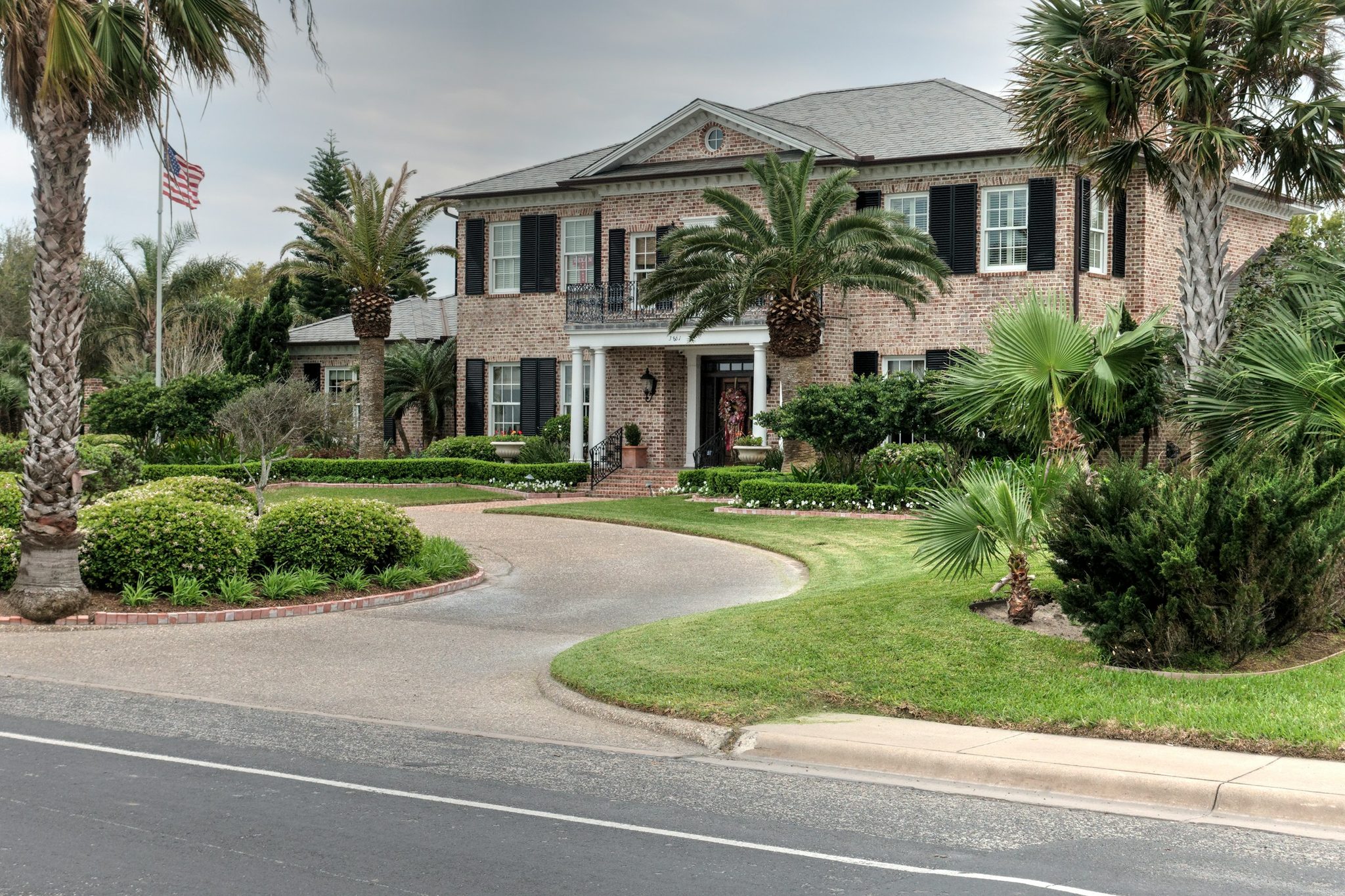
The Texas average property tax rate is a useful number for exactly one thing: knowing you’re in Texas. Beyond that, it tells you almost nothing about your own bill.
Rates and values pull in opposite directions. A rural county with a high rate often produces a small bill because values are low. A suburban county with a moderate rate produces a brutal bill because a half million dollar valuation multiplies everything. So when someone tells you their rate is lower than yours, ask what their value is. The rate is the smaller half of the equation.
Texas also leans on property taxes harder than most states because it has no state income tax. That’s not a secret, it’s the tradeoff, and the Texas Comptroller lays out how that revenue gets collected and distributed. Voters here have approved limits on how fast city and county revenue can grow without an election, which is a real check, but it doesn’t touch school district rates in the same way. Worth knowing before you blame the wrong office.
What you can control is your value and your exemptions. What you can’t control is the rate your school board adopts. Spending energy on the first two is the only version of this that pays.
Where this leaves you
Your property tax bill is the product of a rate you didn’t set, applied to a value someone guessed at from a desk. That’s an uncomfortable thing to accept, but it also tells you where the leverage sits.
Check your exemptions this month. Photograph what the district can’t see. Get your comps in a folder before the notice shows up, not after. If your district has published a rate map or a comparison tool, use it to figure out which layers you’re actually under, then decide whether your number is defensible or worth fighting. And if the gap between your bill and your neighbor’s still doesn’t add up after all that, the answer probably isn’t in the rate at all. It’s in the appraisal.


