Last Updated: September 2, 2025 by Michael Kahn. Published: August 18, 2025.
The morning after Hurricane Andrew devastated South Florida in 1992, entire neighborhoods looked as though they had been carpet-bombed. Three decades later, Hurricanes Helene and Milton reminded us that nature’s fury remains, with each year seemingly producing storms that are getting wetter, stronger, and faster. For those of us who live in the High-Velocity Hurricane Zone (HVHZ)—the stretch of South Florida encompassing Miami-Dade, Broward, and parts of Palm Beach County—preparedness isn’t merely prudent; it’s an essential covenant between homeowner and habitat.
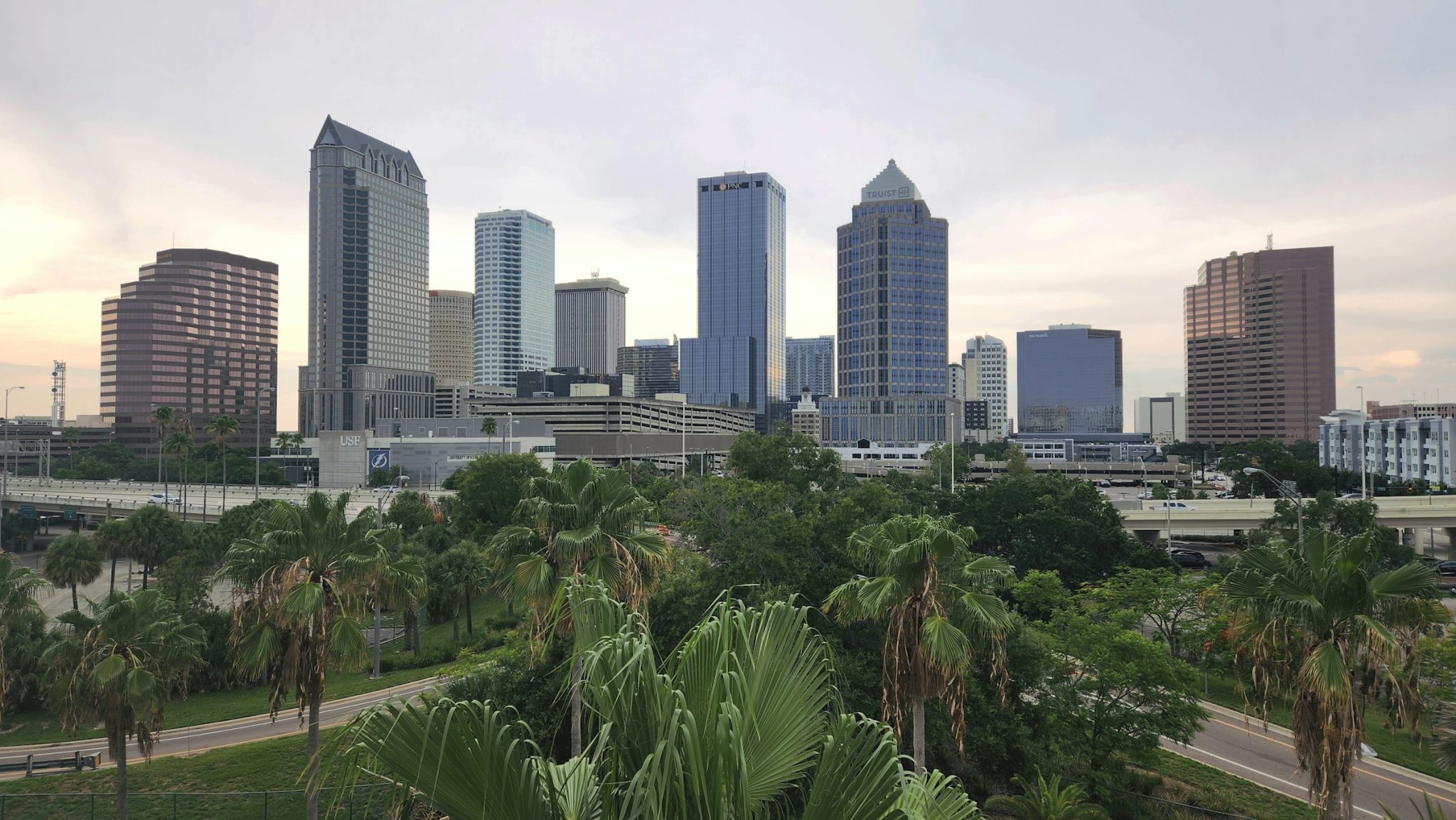
The HVHZ designation isn’t arbitrary. It represents the nation’s most stringent building codes, born from hard-won experience and engineered to withstand sustained winds exceeding 170 miles per hour. Yet even the most robust building codes require active participation from homeowners. The difference between catastrophic loss and manageable recovery often lies in the preparations made during the calm months when hurricanes exist only as possibilities on distant horizons.
1. Transform Your Windows Into Your First Line of Defense
The single most transformative upgrade a South Florida homeowner can make is the installation of impact-resistant windows. These aren’t merely stronger versions of standard windows; they represent a fundamental reimagining of how residential structures can coexist with extreme weather events. Constructed with laminated glass bonded to a tough interlayer—typically polyvinyl butyral or ethylene-vinyl acetate—impact windows maintain their integrity even when struck by wind-borne debris traveling at highway speeds.
Beyond their primary function as storm protection, impact windows deliver year-round dividends. They reduce external noise by up to 40 percent, transforming homes near busy thoroughfares into sanctuaries of relative quiet. Their UV-filtering properties protect furniture and artwork from sun damage while reducing cooling costs by up to 25 percent—no small consideration in a region where air conditioning runs ten months annually. Insurance companies, recognizing their protective value, often discount premiums significantly for homes equipped with impact-resistant glazing throughout.
2. Create a Comprehensive Documentation System
Before disaster strikes, conduct a methodical video inventory of your home’s contents, narrating details about valuable items including purchase dates, prices, and model numbers. Store this documentation in multiple locations: a cloud service, a safety deposit box, and with a trusted out-of-state contact. Photograph the exterior of your home from multiple angles, capturing its pre-storm condition.
Maintain both digital and physical copies of essential documents: insurance policies, property deeds, vehicle titles, medical records, bank statements, and identification documents. Scan everything and store encrypted copies on a password-protected flash drive. This seemingly mundane task becomes invaluable when filing insurance claims or accessing emergency services post-storm. The Federal Emergency Management Agency consistently reports that homeowners with comprehensive documentation resolve claims 50 percent faster than those without.
3. Establish Your Structural Reinforcement Protocol
While impact windows address one vulnerability, comprehensive protection requires attention to every potential weak point. Install hurricane straps or clips to secure your roof to the wall frame—a relatively modest investment that exponentially increases your home’s resistance to uplift forces. These galvanized steel connectors, barely visible once installed, can mean the difference between keeping and losing your roof.
Address garage doors, which structural engineers identify as frequent failure points during hurricanes. Either retrofit existing doors with bracing kits or invest in wind-rated replacements. When garage doors fail, internal pressure can build rapidly, potentially lifting the roof from within. Similarly, ensure all exterior doors have three hinges and deadbolts that extend at least one inch into the frame. These details matter when confronting the pressure differentials that hurricanes create.
4. Develop a Sophisticated Power Contingency Plan
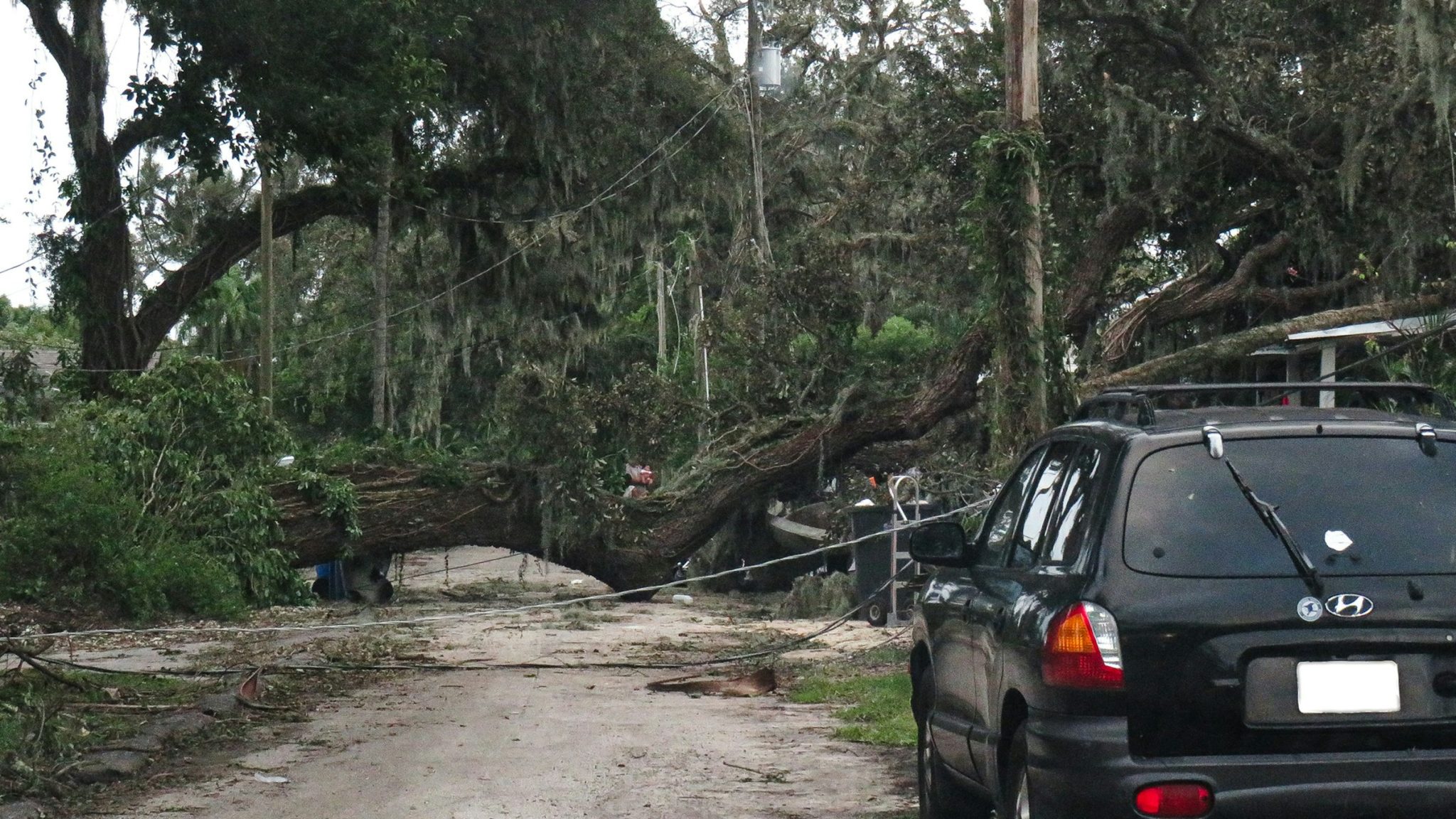
Power outages in post-hurricane South Florida aren’t inconveniences; they’re threats to health and safety in our subtropical climate. A permanently installed standby generator, properly sized to power essential systems, represents smart infrastructure investment. Modern units automatically activate when grid power fails, maintaining refrigeration, limited air conditioning, medical equipment, and communications devices.
For those unable to install permanent generators, portable units offer viable alternatives, though they require careful planning. Calculate your essential load requirements realistically, factoring in starting versus running watts. Store sufficient fuel in approved containers, rotating stock every six months to ensure viability. Never operate portable generators in enclosed spaces; carbon monoxide poisoning claims more lives post-hurricane than many realize. Install battery-operated CO detectors throughout your home as an additional safeguard.
5. Cultivate Your Hurricane Supply Architecture
The recommended three-day supply has proven woefully inadequate in recent storms. Plan for two weeks of self-sufficiency. This means one gallon of water per person daily, non-perishable food requiring minimal preparation, medications with buffer supplies, and first-aid materials suited to trauma care, not just minor cuts.
Think systematically about post-storm challenges. Include contractor-grade trash bags for waterproofing, tarps with grommets and appropriate fasteners, battery-powered fans for ventilation, and multiple lighting sources with abundant spare batteries. Stock work gloves, safety glasses, and sturdy footwear for navigating debris fields. Include entertainment options—books, games, art supplies—because maintaining morale during extended recovery periods matters more than many anticipate.
The Architecture of Resilience
Living in South Florida’s HVHZ demands respect for meteorological realities and commitment to serious preparation. Yet this shouldn’t inspire fear but rather informed readiness. Each improvement—every impact window installed, every document digitized, every supply cached—represents an investment in resilience.
The most prepared homes in our region share common characteristics: their owners understand that hurricane readiness isn’t a destination but an ongoing process of assessment, improvement, and adaptation. They recognize that in our geographic lottery, the question isn’t whether another major hurricane will arrive, but when. Through methodical preparation and strategic home improvements, we transform our properties from potential casualties into fortresses capable of weathering nature’s most violent tantrums, emerging scarred perhaps, but structurally sound and ready to rebuild.
- About the Author
- Latest Posts

Whether she is researching the latest trends in home decor, life-changing destination getaways, or the best way to maintain your finances, Dewey takes pride in leaving no stone unturned. She is passionate about distilling and delivering high-quality information that you can use to upgrade your life.