
Small and shared bathrooms collect clutter faster than almost any other room in the house. Multiple users, daily routines, and limited square footage create a constant battle for counter space. When toiletries pile up and cabinets overflow, even getting ready in the morning starts to feel inefficient. This kind of disorder does more than look messy. It interrupts routines, slows everyone down, and adds unnecessary stress to the start and end of each day.
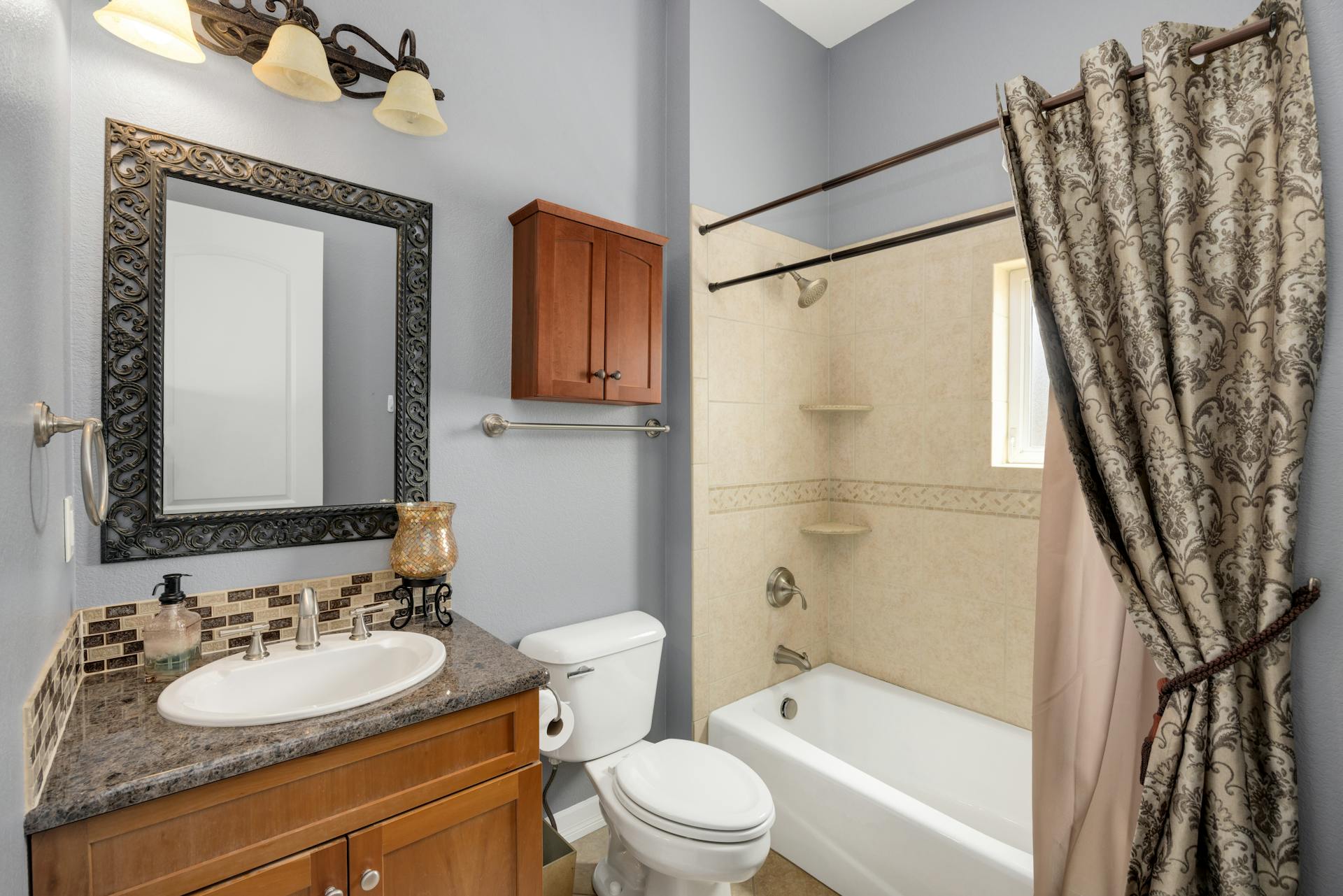
Smart storage is one of the most practical home improvement upgrades you can make in this space. It does not require major construction, yet it improves how the bathroom functions every single day. Thoughtful organization also supports long-term home value by protecting finishes and reducing wear and tear. As homeowners become more selective about the products they use and keep on hand, storage choices need to support both convenience and order.
Managing Daily Essentials Without Overcrowding
The first challenge in any small or shared bathroom is managing daily essentials without letting them take over every surface. Shampoo bottles, conditioners, skincare items, and grooming tools should all be accessible. They should not live permanently on the counter. This challenge often grows as homeowners shift toward eco-friendly personal care and become more selective about what they bring into their homes.
Before committing to a new product, many people look for firsthand experiences, so they tend to ask for reviews from people who have purchased it. For instance, as Melaleuca products gain popularity in categories like haircare, people seek Melaleuca shampoo reviews to assess quality and ingredient transparency, which often leads them to purchase larger sizes or keep extra products on hand.
Without proper storage planning, these well-intended choices can quickly overwhelm limited bathroom space. A functional redesign starts by assigning a clear home for these items. Open bins inside cabinets, shallow trays for frequently used products, and dedicated shelf zones all prevent overcrowding. Some simple storage strategies for daily essentials:
- Open bins inside cabinets to group similar products
- Shallow trays for frequently used items to keep them visible and contained
- Dedicated shelf zones to prevent products from spreading across surfaces
- A clear “one in, one out” rule to control product buildup
Once every item has an assigned spot, countertops stay clear and morning routines run smoother.
Using Vertical Space to Free Up Floor Area
When square footage is limited, vertical space becomes one of the most overlooked assets in a bathroom. Walls above toilets, sinks, and door frames often go unused even though they can hold a surprising amount. Floating shelves work well for everyday items because they keep products visible and easy to reach. Over-the-toilet units provide enclosed storage and are ideal for shared bathrooms where visual clutter builds up quickly.
The key is choosing the right height and depth. Shelves that are too deep can feel heavy and awkward, while narrow shelves maintain balance and airflow. Secure mounting is essential, especially in humid environments. When installed correctly, vertical storage reduces crowding below and makes the entire room feel more open and functional.
Under Sink Organization That Maximizes Every Inch
Under-sink cabinets are notorious for wasted space. Plumbing pipes create awkward gaps, and without structure, items get pushed to the back and forgotten. Pull-out bins solve this problem by bringing everything forward with a single motion. A two-tier option like the SimpleHouseware Under Sink 2-Tier Expandable Shelf Organizer fits around pipes and makes cleaning supplies, backups, and personal care items easy to access without crouching or digging.
Tiered racks are another effective solution. They create multiple levels within the cabinet while working around pipes. Adjustable systems are especially useful because they adapt as storage needs change. When under-sink storage is organized intentionally, it often eliminates the need for extra shelving elsewhere in the bathroom.
Choosing Storage Materials That Withstand Humidity
Bathrooms are constantly exposed to moisture, heat, and condensation. Storage materials need to handle these conditions without warping, rusting, or breaking down. Powder-coated metal resists corrosion and works well for shelving and hooks. Sealed wood or bamboo offers a warmer look while holding up better than untreated materials.
Plastic storage can work if it is thick and well-constructed, especially inside cabinets. Ventilation matters just as much as material choice. Leave space between items to allow airflow and reduce moisture buildup. Durable materials protect both the storage system and the surrounding surfaces.
Decluttering the Shower Area Without Sacrificing Access
The shower area often becomes the most crowded part of a small bathroom. Bottles collect on the floor or edge of the tub, making cleaning harder and reducing usable space. Corner caddies lift products off the ground and keep them within reach. Tension pole organizers work well when wall drilling is not an option.
Built-in ledges provide a permanent solution during renovations and eliminate the need for hanging storage. Limiting shower products to daily-use items prevents buildup. When only essentials stay in the shower, maintenance becomes easier and the space feels more controlled.
Door-Mounted Storage for Towels and Accessories
Bathroom doors offer usable storage space that often goes ignored. Over-the-door hooks and racks provide instant storage for towels, robes, and hair tools without permanent installation. A sturdy rack like the Zenna Home Over-the-Door Towel Rack holds multiple towels and installs in seconds. These solutions work especially well in shared bathrooms where towel storage is limited.
Weight limits matter. Choose sturdy hardware that can handle damp towels without shifting or damaging the door. Keep door clearance in mind so items do not interfere with closing or ventilation. When used correctly, door-mounted storage reduces clutter while keeping frequently used items easy to grab.
Creating Visual Calm With Consistent Storage Design

Even an organized bathroom design can feel cluttered if storage looks mismatched. Using uniform containers helps reduce visual distraction and creates a cleaner appearance. Matching bins, jars, and baskets makes small spaces feel more intentional and easier to maintain.
Labels support consistency and save time during busy routines. Neutral colors and simple shapes work best in shared bathrooms where preferences differ. Visual consistency also highlights cleanliness, which makes the space feel larger. When storage looks cohesive, keeping things organized becomes second nature.
Smart storage improves function and comfort in small and shared bathrooms. Vertical shelving and under-sink systems put unused space to work, while hidden storage keeps surfaces clear. Zoned organization supports multiple users, and moisture-resistant materials protect long-term durability. With thoughtful placement, even small upgrades make daily routines easier and the bathroom simpler to maintain.


