
The most practical question in car camping is not whether a piece of gear makes the setup look complete. It is whether it deserves space in the vehicle.
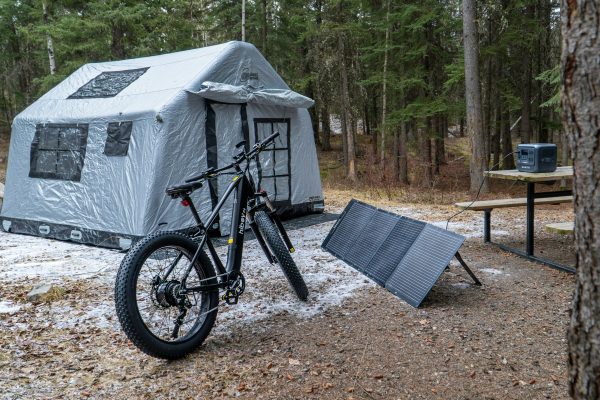
Trunk space is limited. Coolers, sleeping bags, folding chairs, a camp stove, water containers, lighting, food, and clothing all take up room. If a tent is larger or heavier than a compact option, it has to do more than set up easily. It needs to make the trip run better.
For campers who can drive close to the campsite, stay two nights or longer, and need room to stand, change clothes, and organize gear, an inflatable tent is often worth the extra trunk space. For quick one-night trips where you arrive late and leave early, it may not be worth the size.
The decision should not come down to product photos or setup time alone. It should come down to how the tent affects the way you actually camp.
Start With How Long You’ll Stay
If you arrive in the evening, sleep one night, and leave early the next morning, a larger tent may not add much value. On that kind of trip, lightweight gear, fast packing, and fewer items to move usually matter more.
If you plan to stay two nights or longer, the calculation changes. You may use the tent during the day to rest, change clothes, sort gear, or take a short break from the weather. At night, you still need a sleeping area that doesn’t feel cluttered with bags and loose items.
Many people focus on setup speed when talking about inflatable tents. For car camping, the better question is whether the tent fits the length and style of the trip. The longer you stay, the more interior space and organization start to matter.
The Tradeoff: More Trunk Space, Less Setup Stress
An inflatable tent takes up space in the vehicle, but that space can pay off when you reach camp.
Without traditional pole assembly, you can get the tent up and start organizing camp sooner. That matters most when you arrive late in the day, the light is fading, and everyone is already tired. The sooner the tent is standing, the sooner everyone can unload, eat, and settle in.
This is the main tradeoff. You give up some packed space in the car, but you may reduce one of the most frustrating parts of arrival. If setting up the tent is usually the part of the trip that slows everyone down, a simpler setup can be worth the extra room it takes in the trunk.
First, Make Sure It Fits in the Car
A tent may feel spacious once it is pitched, but it still has to work when packed. For car camping, packed size matters as much as floor space.
Before a trip, check three things: whether the tent bag fits in the trunk, whether it leaves enough room for sleeping bags, the cooler, and basic camping supplies, and whether you can remove it easily at camp instead of digging it out from under heavier gear.
An inflatable outdoor tent also needs a pump, stakes, guy lines, and a repair kit. These accessories are not large, but they are part of normal use. If they are scattered or hard to find every time you set up, the benefit of faster pitching starts to fade.
The tent and its accessories should make sense for your vehicle size, the number of people traveling, and the amount of gear you already bring.
A Roomy Tent Still Needs a Practical Layout
Many tents look roomy in photos, but the real test starts after the sleeping pads are on the floor. Where do the bags go? Is there room to change clothes? Where do headlamps, jackets, sandals, and toiletry bags go when they are used every day?
For car camping, the tent interior should provide room for sleeping, storing bags, changing clothes, and resting during the day. Cooking gear, trash, and anything with food odor should stay out of the sleeping area. Clothing, sleeping bags, dry gear, and personal bags still need clear places to go.
Longer stays make this even more important. Damp towels, rain jackets, and muddy shoes should not end up next to sleeping bags. Dry clothing, electronics, and extra layers should not be tossed by the door just because there is no better spot. A suitable inflatable tent helps keep daily-use items, dry gear, and a small organizing area separate, so the tent does not turn into a pile of loose gear by the second or third day.
For car-camping stays where interior order matters, the ZONKOO Vega is a practical example of inflatable tents for camping. Designed for 2–6 people, it provides about 129 sq ft of floor space and enough interior height for many campers to stand upright. That extra room makes it easier to keep sleeping gear, personal bags, and a small organizing area away from the entrance. Multiple windows support airflow during longer stays.
When an Inflatable Tent Is Not the Best Fit
An inflatable tent is not the right choice for every car-camping trip.
If the campsite is far from the parking area, carrying distance can become a problem. If you often camp alone and do not want to manage a larger packed tent, size and weight may reduce how often you use it. If you move campsites every day, deflating, packing, and setting up again should be part of the decision.
Weather also matters. In normal camping conditions, suitable fabric, waterproofing, and a secure pitching system can provide a stable experience. In high winds, heavy rain, snow, or extreme conditions, no tent should be judged only by marketing claims. Check the forecast, secure the tent properly, and be ready to change plans if conditions call for it.
A practical gear choice is not about treating one type of tent as the answer to every trip. It is about choosing the shelter that fits the route, campsite, weather, and people on that specific trip.
Pack-Up Is Part of the Cost
A tent can feel exciting the first time it goes out. The real question is whether you still want to bring it the next time.
When packing up an inflatable tent, clear the inside first, shake off dirt, sand, grass, and debris, then deflate, fold, and bag it according to the instructions. If there is morning dew or rain, the tent may need to be opened again at home and dried fully before storage.
That step matters. Storing a damp tent can leave moisture and grime trapped in the fabric, which makes the next trip harder before it even starts.
Before buying, ask a practical question: are you willing to clean and dry it after each trip? If not, even a comfortable tent can become gear that stays in the garage.

The Answer Depends on How You Camp
An inflatable tent is worth the trunk space when it makes the whole camping routine easier: packing, arrival, setup, daily use, and pack-up.
If you often drive to a campsite, stay more than one night, want to reduce setup stress, and need room for sleeping, storing bags, changing clothes, and resting during the day, the larger packed size can be a fair tradeoff.
If your trips are lighter, more mobile, or usually limited to one quick night, a compact traditional tent may fit your rhythm better.
The best test is simple: after using it once, would you still want to load it into the car for the next trip? If the answer is yes, the tent is not just taking up trunk space. It is earning its place in your car-camping system.


