
A basement can either feel like part of the home or like a place people avoid unless they need to grab holiday decorations. A lot of them sit unfinished for years, cold in winter, dim during the day, and packed with random storage bins nobody has touched in forever. But when the space is designed properly, everything changes. It becomes the room where people watch movies late at night, where guests actually want to hang out, or where kids disappear for hours because they finally have space to spread out.
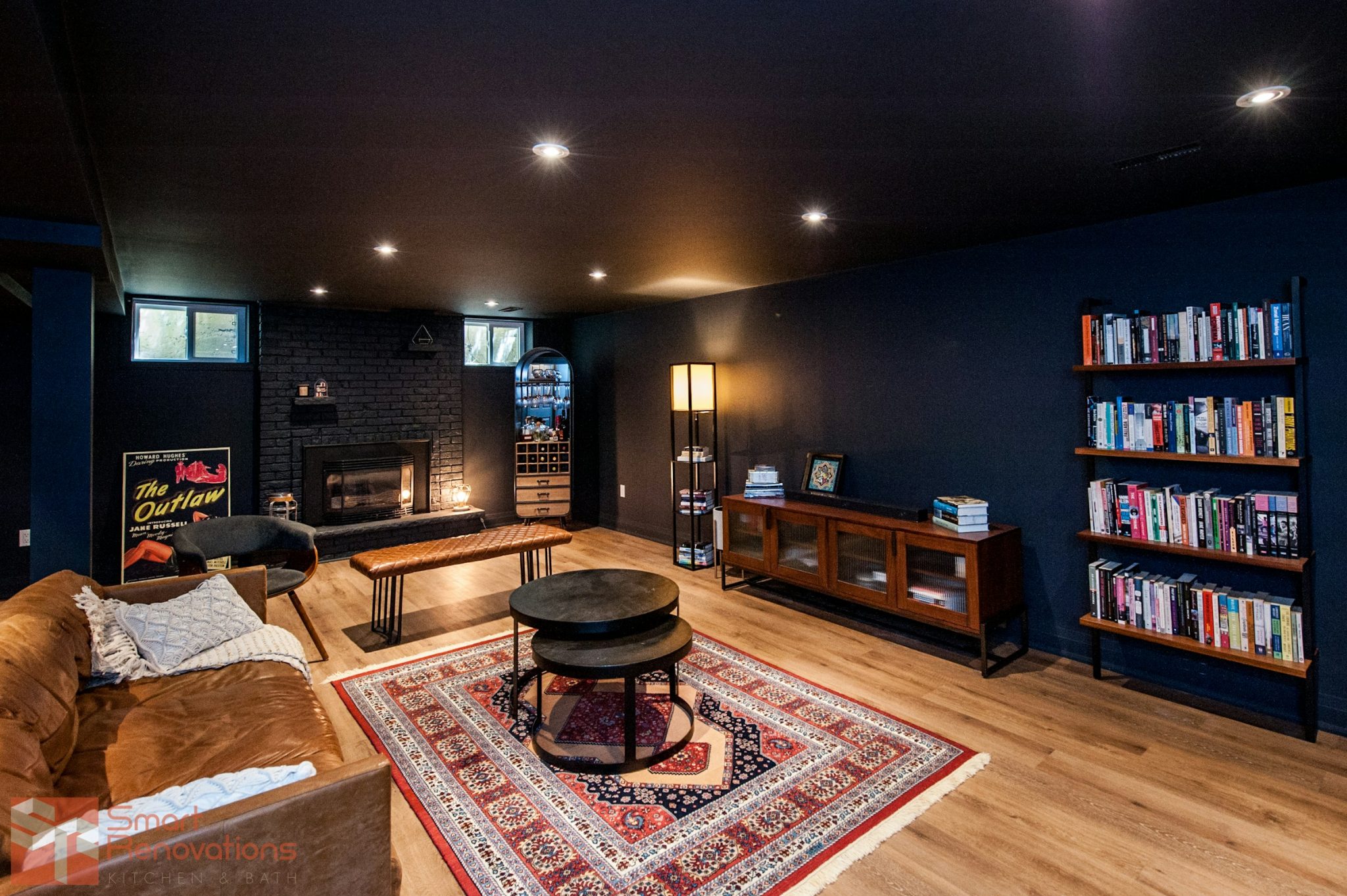
The best basements don’t feel separate from the house. They feel connected, comfortable, and easy to spend time in. The process takes planning, though. You need more than paint and furniture to make it work properly.
Now, let’s talk about how you can turn your basement into the most loved space in your home.
Start With a Clear Purpose for the Space
A basement works best when it has direction from the beginning. Without a plan, people usually throw random furniture downstairs and hope it somehow comes together later. That rarely happens. The room ends up feeling disconnected, cluttered, and awkward to use.
Think about what your household actually needs. Some families want a movie room with oversized seating and blackout curtains. Others need a quiet office away from the noise upstairs. Once you decide how the basement should function, every other choice becomes easier.
Hire Professionals to Bring the Vision to Life Properly
Basement projects look simple online until the real work starts. Behind the walls, there are pipes, wiring, insulation concerns, moisture issues, and ventilation details that need proper attention. One mistake can lead to water damage, uneven floors, or expensive repairs a few months later.
That is why hiring a top basement finishing company is necessary. Your ideas and style choices still lead the project, but experienced professionals know how to bring those ideas to life safely and cleanly. They understand how to work around structural limitations, how to keep the basement dry, and how to create a finished space that actually feels comfortable year-round.
Professionals also help avoid design problems people usually do not think about early on. Ceiling height, lighting placement, soundproofing, and room flow all affect how the basement feels once it is complete. A contractor with real experience can spot issues before they turn into expensive setbacks.
Focus on Lighting to Make the Basement Feel Welcoming
Lighting changes everything downstairs. A basement with weak lighting feels closed in fast, even if the room itself is large. Dark corners, harsh bulbs, and shadowy ceilings make the entire space feel colder and less inviting.
The goal is to layer the lighting instead of relying on one overhead fixture. Recessed lights help spread brightness evenly across the room without making the ceiling feel crowded. Floor lamps and wall sconces soften the atmosphere and make seating areas feel more relaxed at night.
Warm-toned bulbs help a lot here. Bright white lighting can make a basement feel sterile, almost like a garage or office. Softer lighting creates a calmer atmosphere that people actually want to spend time in.
Choose Flooring That Looks Good and Handles Moisture Well
Basement flooring needs to handle more than regular flooring upstairs. Moisture and temperature changes can ruin certain materials fast, especially in lower-level spaces where humidity tends to build up.
A carpet sounds cozy at first, but it can trap moisture and odors if the basement is not properly sealed. Hardwood flooring has similar problems because it can warp when exposed to damp conditions. That is why many homeowners go with luxury vinyl plank flooring. It handles moisture better, lasts a long time, and still gives the room a clean, finished look.
Area rugs help soften the space without creating the same maintenance problems that wall-to-wall carpet can bring. They also make seating areas feel warmer and more comfortable, especially during colder months.
Create Different Zones Within the Basement
One big open basement sounds great until everything starts blending together. The TV area spills into the workout space, kids leave games everywhere, and the room starts feeling chaotic instead of relaxing. Breaking the basement into separate zones keeps the space functional without making it feel boxed in.
You do not need walls everywhere to make this work. Furniture placement alone can define different sections naturally. A sectional couch and large rug can create a lounge area, while a small table and shelving unit can turn another corner into a workspace or reading spot.
This setup also makes the basement feel bigger. Instead of one giant empty room, the space feels layered and intentional. People can use different parts of the basement at the same time without getting in each other’s way.
Add Storage Without Making the Space Feel Cluttered
Basements attract clutter fast. One storage bin turns into ten, and before long, the room starts feeling like a giant closet instead of a living space. Smart storage keeps everything organized without taking over the room.
Built-in cabinets work especially well because they blend into the design instead of sticking out awkwardly. Benches with hidden storage help store blankets, games, or seasonal decorations while still giving people extra seating.
Floating shelves can also keep the basement looking cleaner than bulky furniture pieces. They give you space for books, décor, or smaller items without making the room feel heavy.
Include Features That Encourage People to Spend Time There

The most loved basements give people reasons to stay awhile. Comfortable seating helps, but the extra features are what turn the room into a favorite spot in the house.
For some families, that means a large TV and surround sound for movie nights. Others may want a gaming setup, a small snack bar, or even a fireplace to make the room feel cozier during colder months.
The important part is designing around real habits instead of copying trends online. A basement should match how people actually spend their time. Fancy additions nobody uses usually end up collecting dust after a few months.
A great basement changes the rhythm of a home in the best way. People spread out more comfortably, guests stay longer, and everyday routines feel less cramped. Instead of everybody competing for space upstairs, the house suddenly feels easier to live in.
What makes that happen is not one giant feature or expensive trend. It comes from thoughtful choices that make the basement feel warm, functional, and genuinely comfortable to spend time in. When the lighting feels right, the layout flows naturally, and the room fits the way people actually live, the basement becomes more than extra square footage; it becomes the space everyone keeps coming back to without even thinking about it.