
Washington, D.C., is home to a vibrant array of botanical gardens and plant communities that showcase the rich diversity of flora found in the region. From historic gardens to urban green spaces, these locations not only offer beauty but also serve as educational hubs, fostering a deeper appreciation for plants and the environment. Visitors can explore these gardens to learn about sustainable practices and the importance of conservation. Let’s dive into the highlights of these remarkable spaces.
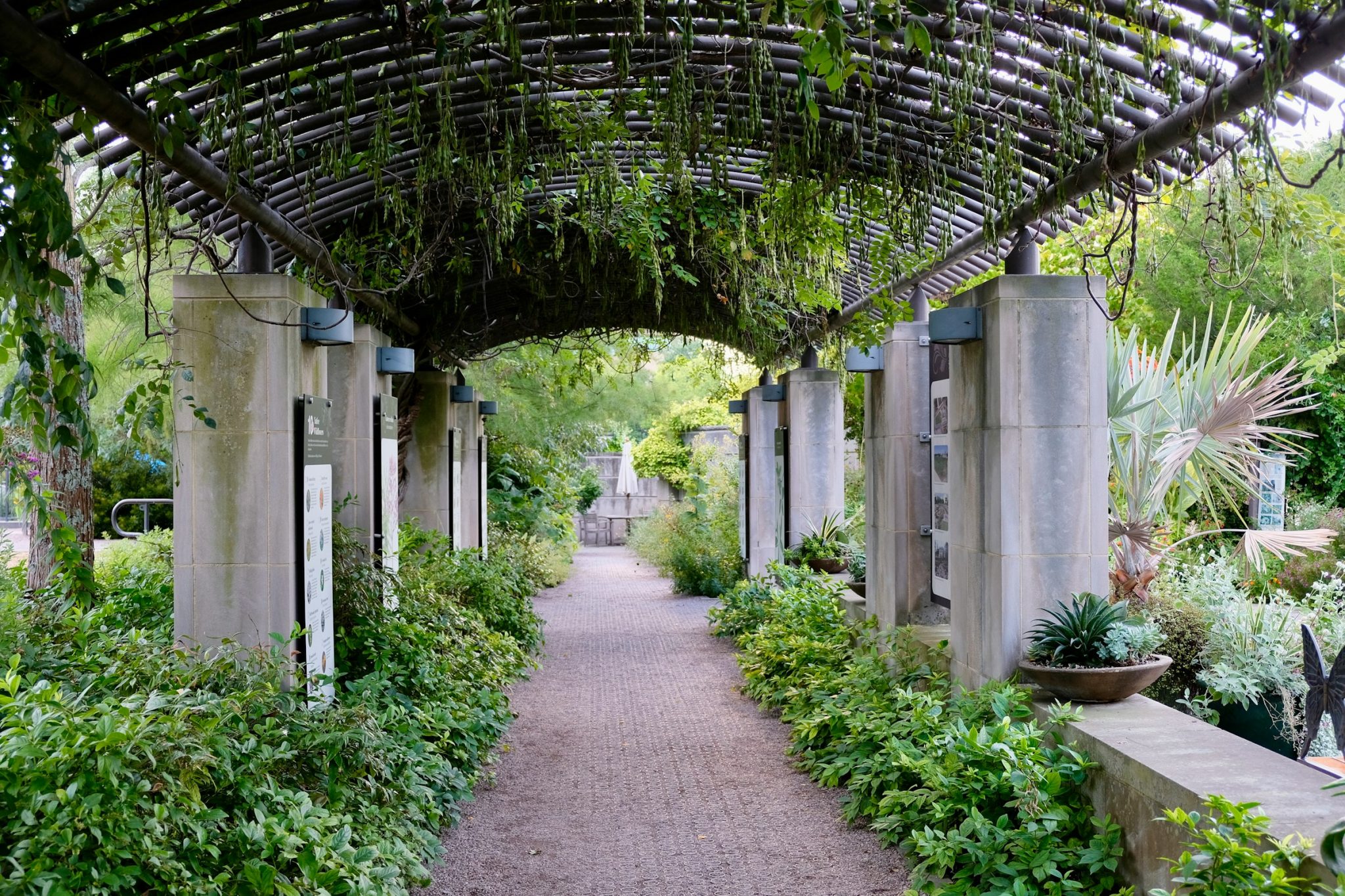
If you’re an avid plant lover considering a move, this city presents a unique chance to immerse yourself in a community that values urban development and environmental conservation. Transitioning to this vibrant place can be a seamless experience with the assistance of professional movers. The extensive network of botanical gardens, parks, and community green spaces makes it easy for newcomers to connect with nature. Residents can participate in community gardens, join local environmental groups, or simply enjoy the beauty of the city’s green areas.
United States Botanic Garden
Overview
The United States Botanic Garden, established in 1820, is among the oldest botanical gardens in the country. It serves as a living museum dedicated to educating the public about the importance of plants in our lives and the critical need for conservation efforts. The garden aims to inspire people to appreciate and care for plants through various exhibits and programs. Visitors can engage with the garden’s resources to deepen their understanding of plant ecology and their roles in human life.
Features
Outdoor Gardens
The garden features various themed landscapes, including the Rose Garden, Butterfly Garden, and Medicinal Plants Garden. Each section displays unique plant species while informing visitors about their ecological roles and practical uses. For instance, the Medicinal Plants Garden emphasizes plants traditionally utilized in herbal medicine, fostering a better understanding of their benefits. This diversity not only enriches the visual experience but also enhances ecological awareness among visitors, leaving them intrigued and captivated by the wonders of nature.
Conservatory
The Conservatory is a climate-controlled environment that mimics tropical and desert settings. Visitors can explore the vibrant greenery of tropical rainforests and the striking beauty of arid desert plants. Unique adaptations of various species are highlighted, underscoring the significance of biodiversity. The Conservatory also includes a section dedicated to rare and endangered plants, emphasizing the urgent need for conservation efforts.
Special Exhibits
The garden features rotating exhibits throughout the year that highlight specific plant families, sustainability practices, and innovative gardening techniques. These exhibits provide fresh insights into botanical science, inspiring wonder and encouraging individuals to explore the subject. They serve as a platform for discussing contemporary environmental issues and motivating people to adopt eco-friendly practices. Visitors often leave with new ideas for caring for their gardens sustainably.
Educational Programs
The U.S. Botanic Garden offers Knowledge-sharing initiatives, engaging workshops, and tours for all age ranges. These programs cover gardening techniques and the science behind plant biology.
Gardening Techniques
Hands-on workshops educate participants on sustainable gardening techniques, such as composting, organic gardening, and plant maintenance. These practical skills enable individuals to cultivate gardens while encouraging environmentally friendly practices.
Botanical Science
Educational tours provide comprehensive insights into plant biology, ecology, and conservation strategies. These programs simplify complex concepts for all, fostering lifelong learning. Participants acquire valuable knowledge they can apply in their daily lives, nurturing a deeper connection to nature.
National Arboretum
Overview
Established in 1927, the National Arboretum serves as a center for research, education, and the preservation of plant collections. It is a vital resource for studying plant diversity and sustainable horticulture. The arboretum significantly contributes to the field by offering insights into the importance of various plant species. Visitors can explore the site’s rich offerings to deepen their understanding of plant ecosystems.
Highlights
National Bonsai and Penjing Museum
This exceptional museum features a comprehensive collection of bonsai trees, illustrating the art of miniature tree cultivation. Visitors can appreciate the intricate designs and learn about the cultural significance of bonsai in Japanese and Chinese traditions. This museum not only showcases artistic expression but also educates the public about the rich history of this practice. It provides a tranquil setting for reflection and appreciation of nature’s beauty.
Azalea Collections
The arboretum is famous for its stunning azalea displays, especially in the spring when the flowers bloom in vibrant colors. The annual Azalea Celebration attracts thousands of visitors, providing opportunities for picnicking and enjoying the natural beauty. These colorful displays create a festive atmosphere that promotes community engagement. Visitors often find inspiration for their own gardens through these breathtaking showcases.
National Herb Garden
This garden showcases a variety of herbs used in cooking, medicine, and crafts. Each herb is labeled with details about its culinary applications, medicinal properties, and historical importance. This educational resource enhances visitors’ understanding of the roles herbs play in different cultures and encourages them to explore herbal gardening and its benefits in their own lives.
Community Engagement
The National Arboretum is dedicated to engaging the community through various initiatives. Seasonal events and volunteer opportunities aim to foster a deeper connection between individuals and plants.
Seasonal Events
The arboretum hosts seasonal events such as plant sales, educational festivals, and family-friendly activities. These events provide visitors with the opportunity to connect with nature and learn about gardening while enjoying the gardens’ beauty.
Volunteer Opportunities
Community members can engage in various volunteer programs, assisting with gardening tasks, educational outreach, and conservation efforts. This involvement nurtures a sense of ownership and stewardship for the arboretum, promoting long-term dedication to preserving natural spaces.
Local Plant Communities

Native Plants
The D.C. area offers a range of native species that are crucial for strengthening regional ecosystems. Plants like coneflowers, black-eyed Susans, and cardinal flowers provide essential habitat and nutrition for pollinators, birds, and other wildlife. Conservation initiatives focus on restoring native plant populations and raising public awareness about the benefits of incorporating native species in landscaping. By highlighting the significance of biodiversity, these efforts assist residents in creating habitats that foster local flora and fauna.
Community Gardens
Community gardens thrive across Washington, D.C., offering residents places to cultivate vegetables, fruits, and flowers. These gardens foster urban agriculture and strengthen social connections among neighbors.
Urban Agriculture
By growing their own food, community members can enhance food security and sustainability in urban settings. This hands-on approach not only promotes healthier eating habits but also fosters a sense of empowerment and responsibility in individuals, making them feel accomplished and part of a larger, sustainable system.
Social Connections
Community gardens create connections among neighbors, enabling residents to share gardening knowledge, produce, and resources. Many gardens also offer workshops on sustainable practices, cooking, and composting, further enriching the community. These collaborative efforts promote a sense of togetherness and shared goals among participants, helping them feel connected and engaged in a common purpose.
Urban Green Spaces
Rock Creek Park
This expansive urban park covers over 1,700 acres and features a variety of plant communities, walking trails, and recreational opportunities. It acts as a natural oasis, providing habitat for wildlife and allowing residents to connect with nature. The park promotes hiking, biking, and picnicking, encouraging a healthy lifestyle.
Tidal Basin
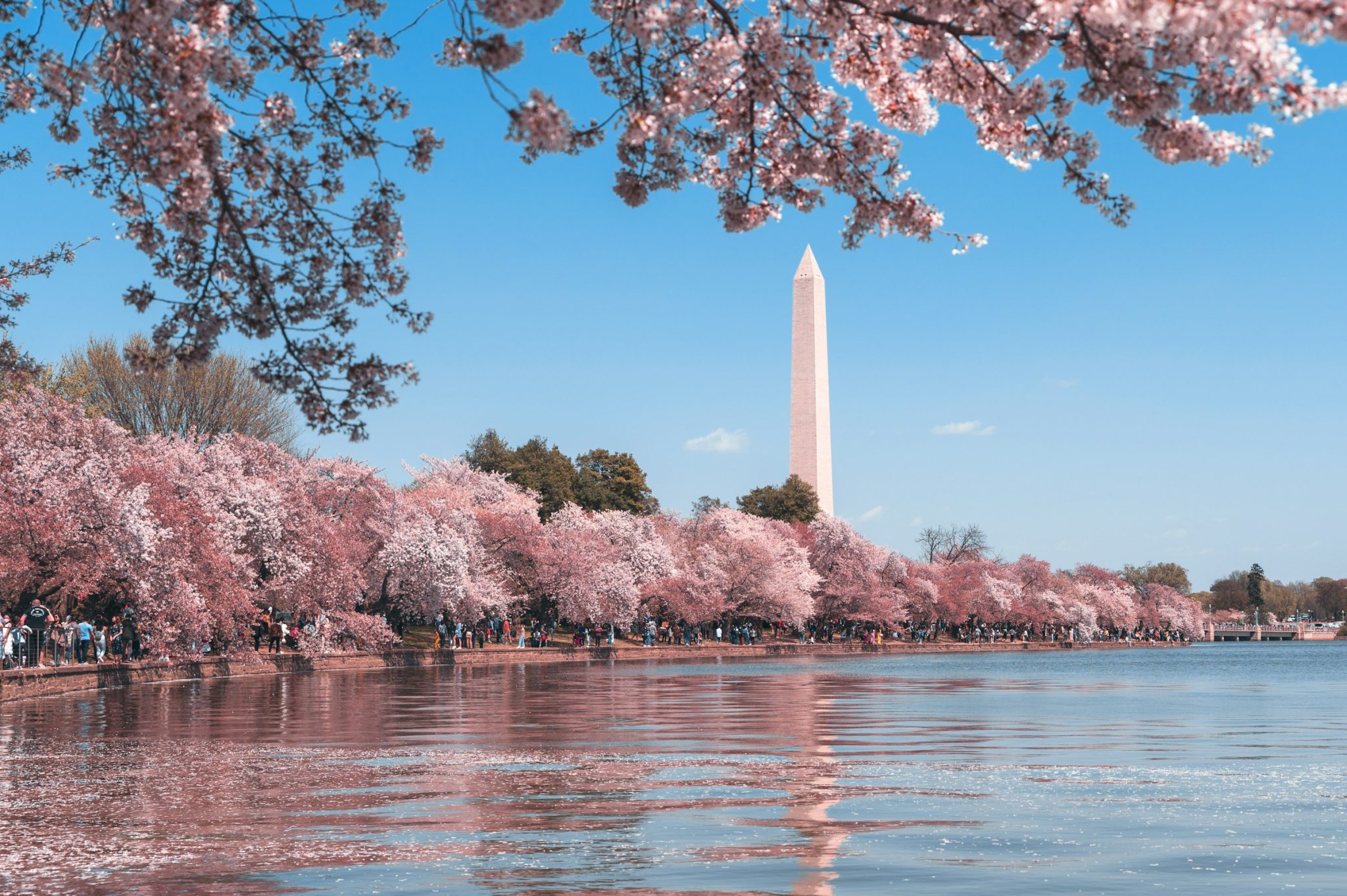
Known for its iconic cherry blossom trees, the Tidal Basin is a picturesque location that attracts visitors during the annual Cherry Blossom Festival. These trees, symbolizing the friendship between the U.S. and Japan, bloom every spring, creating a stunning landscape that draws thousands of tourists and locals alike. The Tidal Basin serves as a hub for cultural celebrations and community events, enhancing the urban experience.
Conservation Efforts
Numerous organizations in the D.C. area emphasize plant conservation and education. Their initiatives include botanical research, educational outreach, and public engagement.
Botanical Research
Institutions such as the U.S. Botanic Garden and the National Arboretum conduct essential research on plant conservation. They emphasize endangered species, habitat restoration, and climate adaptation strategies, enhancing our understanding of how to protect and preserve plant biodiversity.
Educational Outreach
Local nonprofits and environmental organizations offer resources and outreach programs that enhance community awareness of the significance of biodiversity and sustainable practices. Workshops, lectures, and community events further promote awareness about ecological issues.
Public Engagement
Community engagement is essential for conservation efforts, with events such as Earth Day celebrations, plant swaps, and volunteer days motivating residents to participate. These initiatives raise awareness and empower individuals to act in their own lives. By getting involved, community members build a stronger connection to their environment.
Conclusion
The botanical gardens and plant communities around Washington, D.C., provide beautiful spaces for relaxation, education, and environmental stewardship. These institutions promote a deeper understanding of the natural world through various programs, community engagement, and conservation efforts. They inspire future generations to protect our planet’s diverse flora. Whether visiting the United States Botanic Garden, exploring the National Arboretum, or participating in a local community garden, residents and visitors alike can connect with the rich botanical heritage of the D.C. area. By embracing the beauty and significance of plants, we can all contribute to promoting a greener and more sustainable future.