
Phoenix Park, located in the heart of Dublin, is not just a park – it’s a sprawling sanctuary that blends natural beauty, historical significance, and recreational spaces. It has an impressive 1,752 acres and is the largest enclosed urban park in Europe.
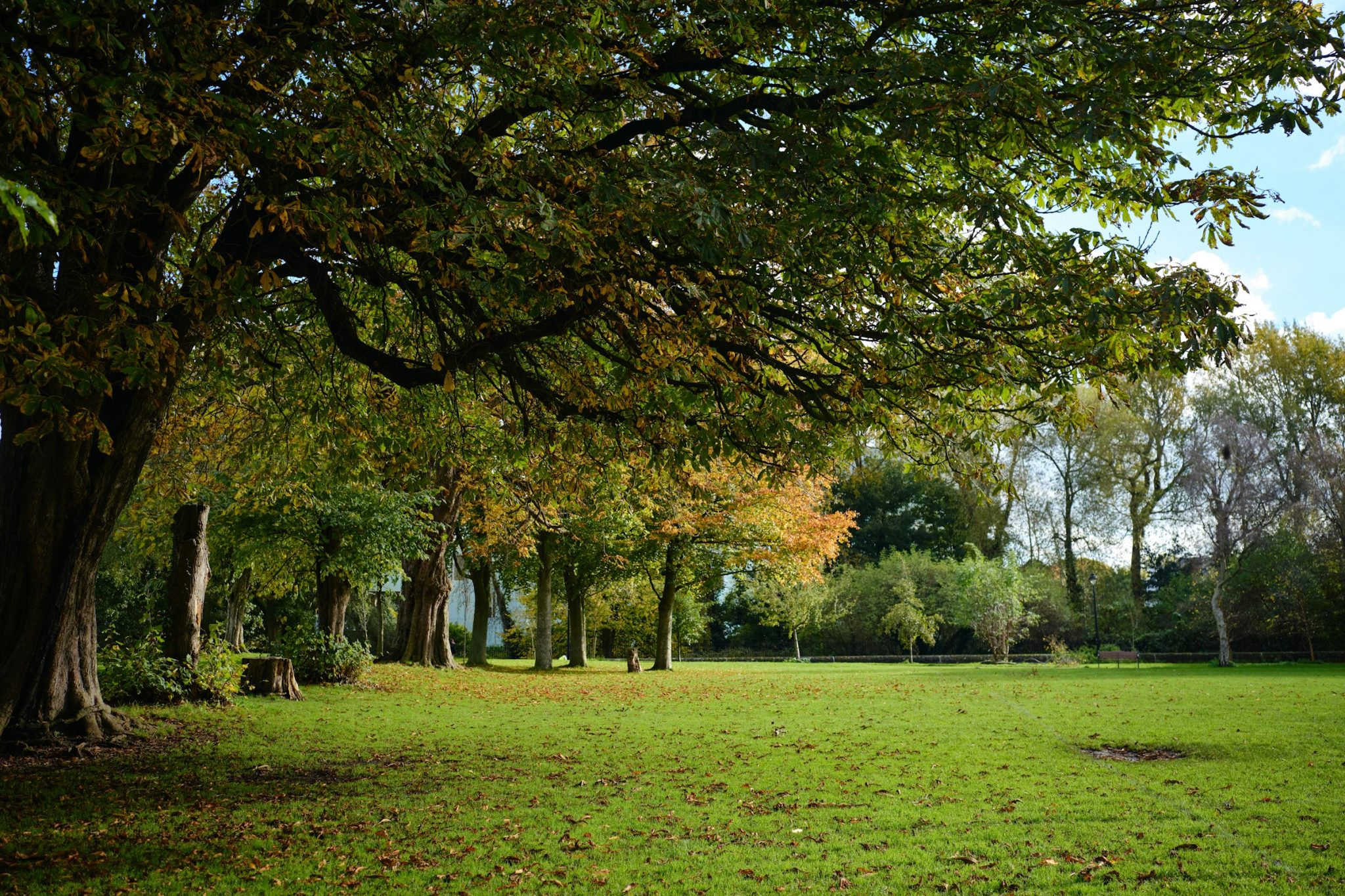
Established in 1662 by the Duke of Ormond as a royal hunting ground, Phoenix Park has evolved into a beloved public space that offers something for everyone, from lush landscapes and diverse wildlife to cultural landmarks and family-friendly attractions. Keep reading to learn more about the largest urban park in Europe. Start your free tour in Dublin and explore all the historical and the best places in this adorable city.
A Historical Haven
One of the best ways to start your tour in Dublin is to visit Phoenix Park. Its history is deeply rooted in Dublin’s past. Initially designed as a deer park for the aristocracy, it became a public park in 1745. The park’s name, derived from the Irish “Fionn Uisce,” meaning “clear water,” reflects its deep connections to the land and its natural features. Throughout the centuries, Phoenix Park has been a backdrop to numerous historical events and is home to several iconic structures.
One of the park’s most significant landmarks is Áras an Uachtaráin, the official residence of the President of Ireland. Originally built as the Viceregal Lodge, it has been the presidential residence since 1938. The park also houses the Magazine Fort, a military fortification built in 1735, which played a role during the Easter Rising of 1916.
Phoenix Park has witnessed pivotal moments in Irish history. In 1882, it was the site of the infamous Phoenix Park Murders, where Lord Frederick Cavendish and Thomas Henry Burke were assassinated, a turning point in Ireland’s political landscape. The park has also been a venue for significant public events, including visits by Pope John Paul II in 1979 and Pope Francis in 2018, which drew massive crowds.
The Victorian-era People’s Flower Gardens, located near the park’s main entrance, offer a glimpse into the park’s horticultural history. These meticulously maintained gardens feature ornamental lakes, various vibrant flowerbeds, and peaceful walking paths, making them a popular spot for locals and tourists.
Nature and Wildlife
One of Phoenix Park’s most enchanting features is its free-roaming herd of fallow deer, descendants of the original herd introduced in the 17th century. These deer have become a park symbol, often seen grazing peacefully in open meadows, creating iconic photo opportunities for visitors. The park’s vast meadows, ancient woodlands, and serene lakes form a diverse ecosystem that supports a wide array of flora and fauna.
Birdwatchers will find Phoenix Park a haven, with species ranging from robins and blackbirds to more elusive kestrels and sparrowhawks. The wetlands attract migratory birds during certain seasons, offering a dynamic birdwatching experience year-round. In addition to deer and birds, the park is home to foxes, badgers, hedgehogs, and a variety of butterflies and insects that thrive within its natural habitats.
The park’s carefully maintained woodlands, such as the Furry Glen, provide sheltered pathways and tranquil spots ideal for nature walks. The Furry Glen features a small lake, wooded trails, and areas rich in biodiversity, making it a popular destination for families and wildlife enthusiasts. Seasonal wildflowers, native trees, and carefully preserved grasslands contribute to the park’s ecological diversity, supporting efforts in conservation and sustainability.
Visitors can explore this natural haven through numerous walking and cycling trails that weave through its scenic landscapes. The park also offers guided nature tours and educational programs to raise awareness about local wildlife and environmental preservation.
Cultural Landmarks and Attractions
Phoenix Park is home to several significant cultural landmarks. The Wellington Monument, a towering obelisk dedicated to the Duke of Wellington, is one of the park’s most recognizable features. It is the largest obelisk in Europe and offers an impressive sight against the park’s open skyline.
Dublin Zoo, founded in 1831, is another major attraction within the park. As one of the world’s oldest zoos, it has played a vital role in animal conservation and education. The zoo spans 28 hectares and houses a diverse range of animals, from elephants and giraffes to rare and endangered species. It offers engaging exhibits, educational programs, and interactive experiences, making it a favorite destination for families and wildlife enthusiasts.
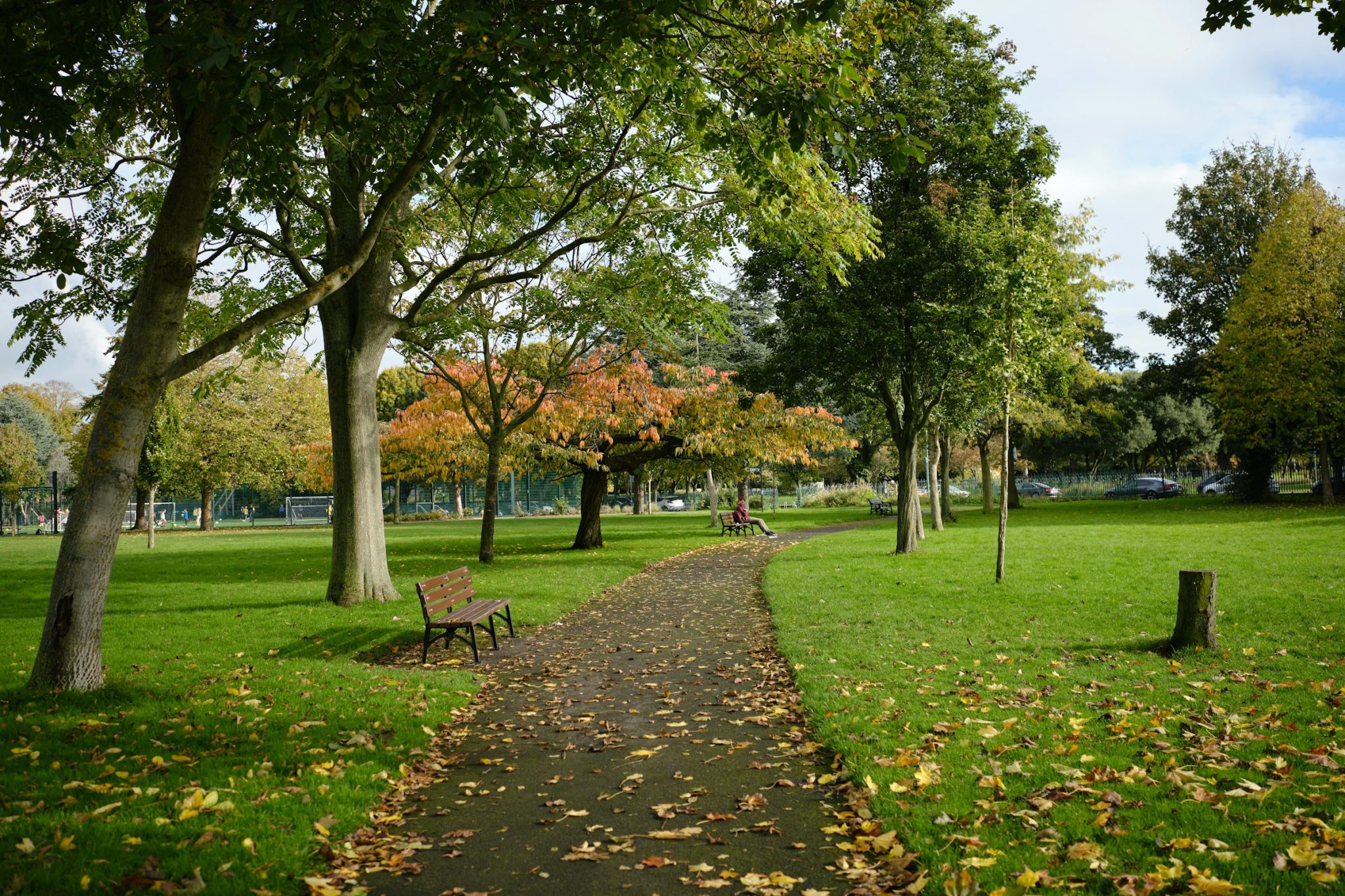
The Phoenix Park Visitor Centre is an informative gateway for guests interested in the park’s extensive history and ecology. The center hosts exhibitions detailing the park’s development, its role in Irish history, and its unique biodiversity. Adjacent to the visitor center is Ashtown Castle, a medieval tower house dating back to the 15th century, which has been beautifully restored and is open to the public.
Recreation and Community
Beyond its historical and natural treasures, Phoenix Park serves as a vibrant hub for recreation and community activities. Expansive lawns are perfect for picnics, sports, and outdoor events, while dedicated sports fields host local cricket and polo matches. The park also features numerous playgrounds, making it a family-friendly destination year-round.
The Bottom Line
Phoenix Park is more than just a green space in Dublin – it’s a living tapestry of history, nature, and community. Its vast expanse invites visitors to immerse themselves in its serene landscapes, explore its cultural landmarks, and experience the harmony between urban life and nature. Whether you’re a history buff, a nature enthusiast, or simply seeking a peaceful retreat, Phoenix Park offers a unique and enriching experience in the heart of Ireland’s capital.