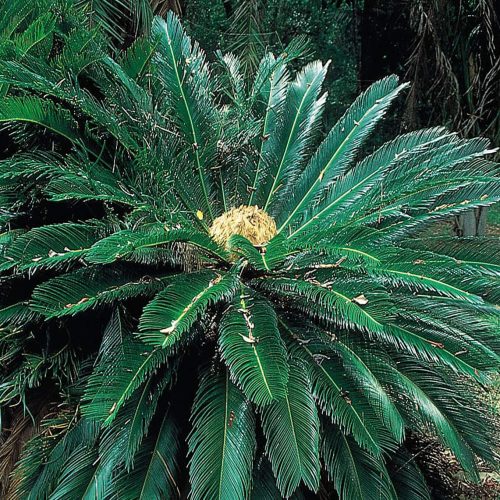
A single well-chosen tree can transform a garden. It adds height, shade, seasonal interest, and a sense of permanence that flower beds and shrubs simply can’t match. But planting a tree is a long-term commitment, and a few decisions made upfront will determine whether it thrives for decades or becomes a problem you’re stuck managing.
Table of Contents
- Choosing the Right Tree for Your Space
- Learning Proper Tree Care
- Finding the Right Placement
- The Impact on Property Value
Choosing the Right Tree for Your Space
When you’re picking out a good tree for your garden space, your thoughts should go further than the aesthetic alone. For instance, you should consider the tree’s size, especially if you have a small yard. A tree labeled “25 feet mature height” at the nursery can easily reach 40 feet in ideal conditions. Native species are almost always the safest bet since they’re adapted to your soil, rainfall patterns, and local pests without demanding specialized care. Decide early whether you want shade, ornamental beauty, fruit production, or privacy screening, because each goal points toward very different species.
Learning Proper Tree Care
Trees look self-sufficient, but a newly planted tree in garden soil needs deliberate attention for at least its first two to three years. Sites like thetreecareguide.com can help you ensure that you’re giving your tree the right kind of attention, from planting it in well-prepared soil to helping it retain moisture as it grows. Proper watering is critical early on: deep, infrequent soaking encourages roots to grow downward rather than staying shallow near the surface. Pruning should focus on removing dead, crossing, or diseased branches. Avoid heavy pruning in the first year while the tree establishes its root system. A pair of quality Felco F2 pruning shears handles most young tree maintenance.
Finding the Right Placement
Where you plant matters as much as what you plant. A shade tree works best on the south or west side of your home, where it can block afternoon sun and reduce cooling costs in summer. Privacy trees belong along property boundaries, while ornamental specimens deserve a spot where they’ll be visible from indoor living spaces or your main entrance. Always check for overhead power lines, underground utilities, and proximity to foundations, driveways, and septic systems before digging. A tree planted too close to the house today becomes an expensive removal project in fifteen years.

The Impact on Property Value
Trees aren’t just good for curb appeal. According to multiple real estate studies, mature trees can increase property values by 7% to 19%, depending on the species, condition, and placement. As housebeautiful.com shows, there are trees that can add real value to your property. Consider that not just when you’re choosing the right tree to plant, but also when you’re investing in its care and maintenance. Working with an arborist to treat disease, for instance, can be well worth it if you stand to lose a lot more from letting your tree fall into bad shape.
Few additions to a garden deliver as much return over time as a well-placed tree. It improves your landscape, supports local wildlife, moderates temperatures around your home, and grows more impressive with each passing year. The key is investing a little thought and care upfront so the tree you plant today becomes the centerpiece of your garden for decades to come.