
The modern workplace places new demands on office furniture. Long hours at a desk, virtual meetings, and hybrid work schedules have changed the way people interact with their chairs. As a result, features that were once considered secondary have become increasingly important. One example is the growing interest in a headrest for Herman Miller chairs, which reflects a broader shift toward personalized comfort and upper-body support in ergonomic seating.
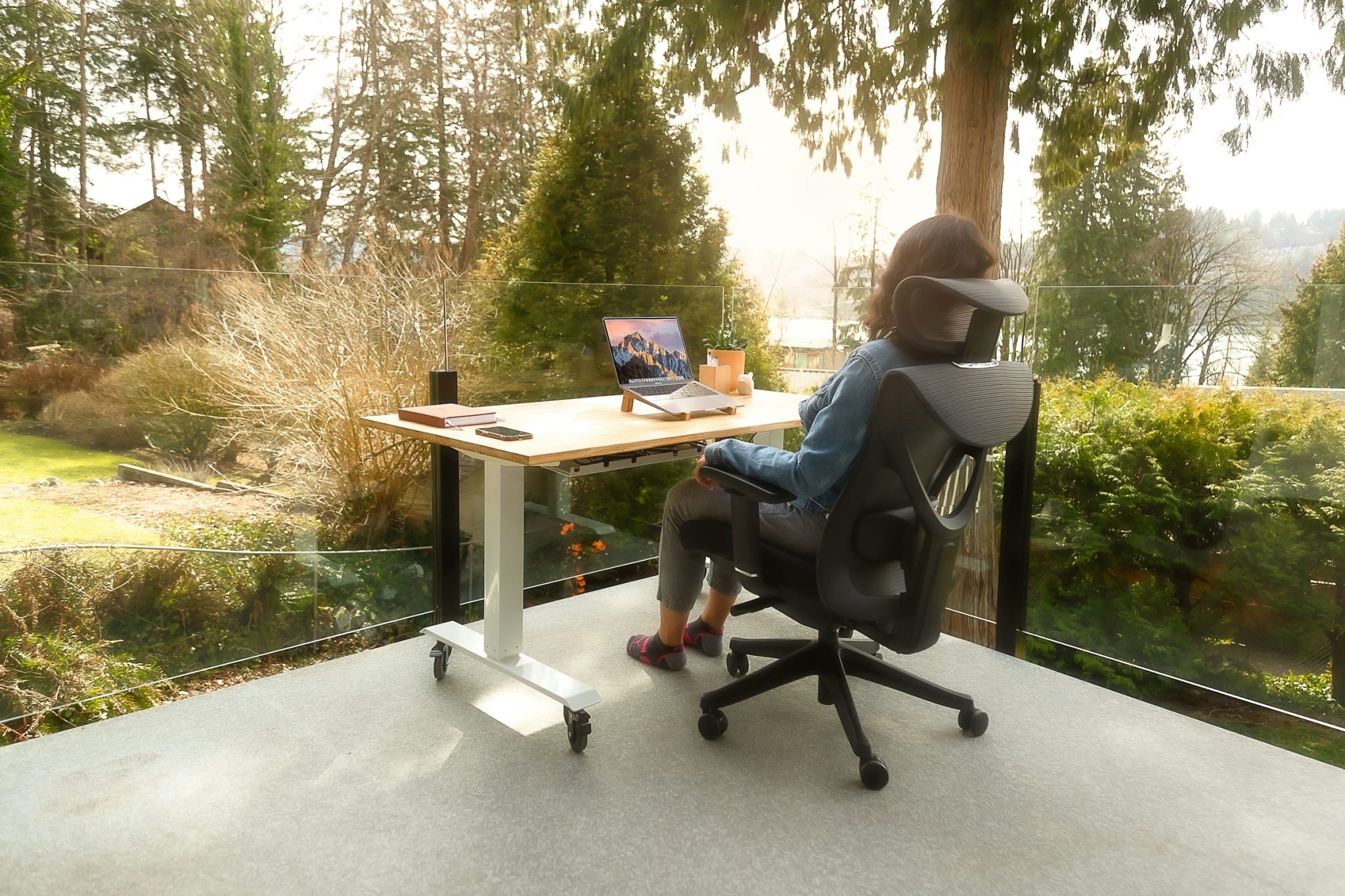
As users become more aware of workplace ergonomics, companies such as OfficeLogixShop have helped highlight how seating accessories can influence overall comfort. Headrests are no longer viewed as simple add-ons. Instead, they are increasingly seen as components that help adapt a chair to individual preferences, body types, and working styles.
This evolution reflects changing expectations about what an office chair should provide.
How Office Seating Priorities Have Changed
Years ago, most discussions about office chairs focused on the lower back.
Manufacturers concentrated on lumbar systems, seat cushioning, and armrest adjustments. While these features remain important, many users now recognize that comfort involves the entire body.
Today’s professionals often spend extended periods:
- Working at computers
- Attending video conferences
- Reviewing documents
- Collaborating online
- Completing focused project work
These activities place continuous demands on the neck, shoulders, and upper spine.
As a result, support for these areas has become more relevant than ever.
Why Upper-Body Support Matters
The head may not seem particularly heavy, but the muscles responsible for supporting it work continuously throughout the day.
When posture is less than ideal, strain can gradually build in the neck and shoulders.
Common symptoms include:
| Challenge | Potential Effect |
| Neck fatigue | Reduced comfort |
| Shoulder tension | Increased stiffness |
| Poor posture habits | Long-term discomfort |
| Frequent movement | Reduced concentration |
Supporting the upper body helps distribute physical demands more evenly.
This is one reason why headrests have gained greater attention in recent years.
The Move Toward Customization
Modern ergonomics is increasingly centered around flexibility.
No two users are exactly alike.
Differences in height, posture, work routines, and personal preferences mean that seating needs vary considerably from person to person.
A personalized chair setup often includes adjustable elements such as:
- Seat height
- Armrest positioning
- Lumbar support
- Recline settings
- Headrest adjustments
These features allow users to create a seating experience that feels natural and supportive.
How Modern Headrests Have Evolved
Headrests have changed significantly over time.
Earlier versions often offered limited adjustment and were primarily intended for reclining.
Today’s designs are far more sophisticated.
Many modern systems include:
Height Adjustment
Allows support to align properly with different body sizes.
Tilt Control
Provides flexibility for various sitting positions.
Improved Materials
Modern designs frequently incorporate breathable mesh, premium foam, or hybrid surfaces.
Enhanced Stability
Better engineering helps maintain consistent support during movement.
These improvements contribute to a more refined ergonomic experience.
Different Work Styles Require Different Solutions
One of the reasons personalization has become so important is that work styles vary widely.
Remote Professionals
Home-office workers often remain seated for extended periods with fewer interruptions.
Additional support can help improve comfort throughout the day.
Creative Specialists
Designers, writers, and architects often alternate between active work and reflection.
Flexible support accommodates these changing positions.
Technical Professionals
Developers, analysts, and engineers frequently spend long periods focused on detailed tasks.
Consistent support may help reduce physical strain.
Business Leaders
Managers and executives often transition between meetings, planning sessions, and administrative work.
Adaptable seating can support these varied activities.
The Connection Between Comfort and Productivity
Comfort affects more than physical well-being.
It can also influence focus and work performance.
When discomfort develops, users may find themselves:
- Shifting positions repeatedly
- Stretching frequently
- Losing concentration
- Becoming physically distracted
Reducing these interruptions helps create a more productive work environment.
This relationship between comfort and performance continues to drive ergonomic innovation.
Understanding the Importance of Movement
A common misconception is that good posture means sitting perfectly still.
In reality, healthy sitting involves regular movement and posture variation.
The best ergonomic features support this natural behavior rather than restricting it.
An effective headrest should:
- Support changing positions
- Encourage natural movement
- Provide comfort when reclining
- Reduce unnecessary strain
This balance helps users remain comfortable throughout the workday.
How Materials Influence the User Experience
The materials used in ergonomic accessories can significantly affect comfort.
Different users often prefer different levels of firmness and breathability.
| Material Type | Common Benefit |
| Mesh | Improved airflow |
| Foam | Softer support |
| Hybrid materials | Balance of comfort and durability |
Material selection plays an important role in the overall seating experience.
Why Adaptability Has Become a Key Design Goal

Work routines rarely remain static throughout the day.
A user might spend the morning participating in meetings, the afternoon reviewing reports, and the evening focusing on individual projects.
These changing activities require seating systems that can adapt accordingly.
Modern ergonomic design increasingly emphasizes versatility, helping users remain comfortable across a variety of tasks and postures.
This adaptability is one reason headrests continue gaining popularity.
What to Consider When Evaluating Head Support
Choosing ergonomic features should involve thoughtful consideration of personal needs.
Helpful questions include:
How Long Do You Sit Each Day?
Longer sitting periods often increase the importance of support.
Do You Frequently Recline?
Reclining habits may influence preferred adjustment options.
What Tasks Fill Most of Your Workday?
Different activities create different ergonomic requirements.
How Much Customization Do You Prefer?
Some users value extensive adjustability, while others prefer simpler solutions.
Answering these questions helps identify features that align with individual needs.
The Growing Role of Personalized Ergonomics
Office furniture is becoming increasingly focused on the individual user.
Rather than providing a single seating solution for everyone, manufacturers are designing products that adapt to different body types, habits, and preferences.
Headrests are part of this broader movement toward personalized ergonomics.
Their growing popularity reflects changing expectations about comfort, flexibility, and workplace well-being.
Final Thoughts
The role of head support in office seating has evolved significantly. What was once considered an optional feature is now increasingly viewed as an important element of a complete ergonomic setup. As work habits continue to change, personalized support solutions help users create more comfortable and adaptable work environments.
Understanding how headrests contribute to posture, movement, and overall comfort allows individuals to make better-informed decisions about their workspace and build seating systems that support both productivity and long-term well-being.


