
Last Updated: February 16, 2026 by Michael Kahn. Published: February 16, 2026.
Bird issues rarely begin dramatically. One pigeon on a ledge becomes a pair, then a routine roost, and before you know it you’re dealing with droppings on walkways, blocked gutters, fouled stock, and the kind of reputational hit that’s hard to quantify but easy to feel. The common mistake is treating that progression as a housekeeping problem—something solved with more cleaning, another deterrent device, or a quick “patch” over the worst area.
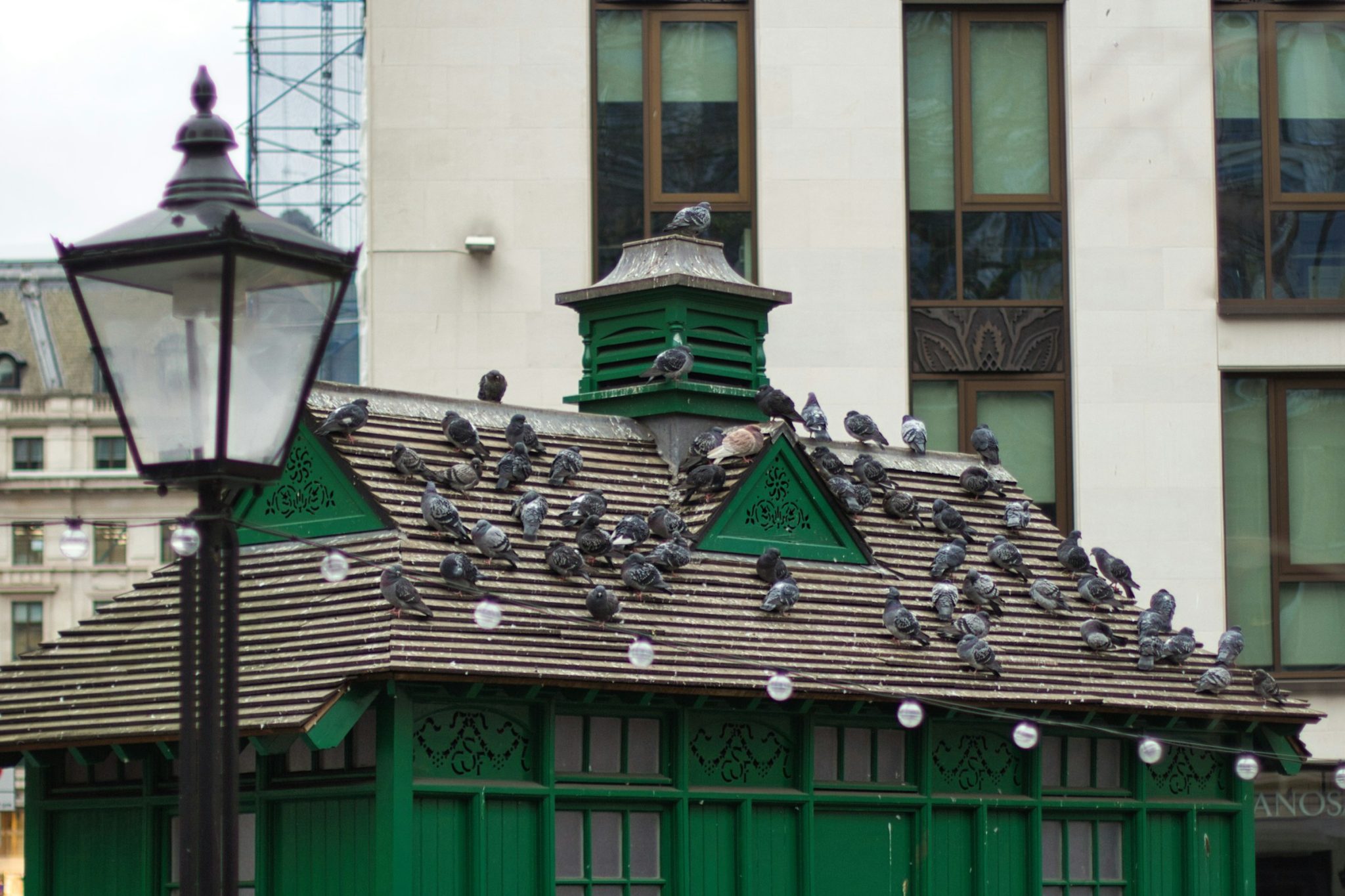
In reality, long-term bird prevention is an engineering and management challenge. Netting works not because it scares birds away, but because it removes access reliably, day after day, season after season. The catch? Not all netting systems are equal. The difference between a net that quietly does its job for years and one that sags, tears, or gets bypassed often comes down to design details most people never see.
If you’re evaluating or planning a netting approach, it helps to start with what “right” looks like—especially if you want outcomes that are humane, compliant, and durable. In many cases, that means leaning on professional solutions for preventing bird access that treat netting as a complete system rather than a simple barrier.
Netting Isn’t a Product—It’s a System
It’s tempting to think the net is the main event. In practice, the net is just one part of a bigger assembly: perimeter fixings, tensioning, cable layout, access considerations, and the way the whole structure behaves in wind, rain, and temperature changes.
A “system mindset” matters because birds are excellent at exploiting small weaknesses. A gap of a few centimetres at a corner, a loose section near a pipe run, or a poorly planned interface with a roller shutter can become a regular entry point. Once birds learn a route, they’ll return to it with impressive consistency.
What typically fails first (and why)
Most premature netting failures aren’t caused by the mesh itself. They’re caused by:
- Incorrect tensioning that allows sagging and pooling (which can create stress points in wind)
- Under-specified fixings that loosen in masonry or corrode in harsh environments
- Poor edge detailing around ducts, signage, lighting, or service penetrations
- “Net-to-nothing” transitions—areas where the barrier ends without a clean tie-in to structure
In other words, durability is designed, not hoped for.
Design Starts With Bird Behaviour (Not Guesswork)
Different birds present different challenges. Pigeons typically seek flat ledges, beams, and sheltered recesses. Gulls may target rooftops and food-related sites, with strong homing instincts. Starlings can exploit small gaps and may roost in large numbers.
Before specifying mesh size or deciding coverage areas, a good plan asks: What is the bird trying to do here—perch, roost, nest, or access food? That one question shapes everything else.
Mesh size and exclusion strategy
Mesh size isn’t just about stopping entry; it’s also about preventing entanglement and ensuring the solution remains humane. Too large and smaller birds can pass through. Too small and you may increase wind load and visual impact without real benefit. The aim is targeted exclusion: block the species you have, at the access points they use, without overbuilding the entire site.
A thoughtful survey usually identifies:
- Primary approach routes (how birds are arriving)
- Preferred landing points (where they settle before moving)
- Shelter zones (why one bay is worse than the one next to it)
When netting is designed around those patterns, it becomes “quietly effective”—and far less likely to be challenged by persistent birds.
Material Choices: UV, Fire Ratings, and the Real World
If you want long-term performance, material selection matters as much as layout. Many modern bird nets are made from UV-stabilised polyethylene or similar polymers designed to handle outdoor exposure. But not every site has the same demands.
Match the net to the environment
Consider what the net will face over the next several years:
- Sun exposure: UV degradation is slow but relentless. UV-stabilised material is non-negotiable for exposed elevations.
- Coastal or industrial air: Corrosion risk increases for fixings, cables, and clips. Stainless or appropriately coated components can extend service life substantially.
- Fire safety requirements: Some commercial or public-facing sites require flame-retardant netting that meets specific standards. This is often overlooked until late in a project.
- Mechanical wear: Nets near loading bays or moving plant can suffer abrasion. Protection and placement matter.
A netting system is only as durable as its weakest component. Saving money on fixings or cable can shorten the lifespan of an otherwise high-quality net.
Installation Details That Separate “Works” From “Lasts”
Even well-chosen materials can disappoint if installation is rushed. Longevity comes from tensioning, clean edges, and predictable load paths.
Tensioning and shape control
A properly tensioned system resists billowing and prevents birds from pushing in. The goal isn’t to create a drum-tight surface everywhere—over-tensioning can be as problematic as under-tensioning—but to maintain consistent geometry so gaps don’t open over time.
Corners, transitions, and large spans need particular attention. A big, unsupported panel may look fine on day one, then deform after repeated wind events. When that happens, you get sagging, noise, and eventually new access points.
Plan for access (so maintenance doesn’t undo the system)
Here’s a practical point many facilities learn the hard way: if your net blocks routine maintenance—HVAC servicing, lighting replacement, gutter clearing—someone will cut it. Not out of malice, but because work has to get done.
Long-term netting designs often incorporate access panels, zips, or planned “service zones” so maintenance can continue without compromising exclusion. It’s one of the simplest ways to protect your investment.
Long-Term Success Means Thinking Beyond Day One
The best bird prevention strategies treat netting as part of a wider site routine. Once installed, you still want basic checks—especially after storms or building works.
A simple, realistic approach is:
- Inspect edges and corners periodically for loosening
- Check any areas near doors, shutters, or frequent human activity
- Respond quickly to minor damage before it becomes a new entry route
If birds are highly motivated (food sources nearby, warm recesses, nesting season), they will test the perimeter. Quick fixes early prevent bigger problems later.
Choosing the “Right” System: What to Ask Before You Commit
If you’re comparing options, focus less on promises and more on specifics. Ask questions that reveal whether the solution is engineered or improvised:
- What species is the design targeting, and why that mesh size?
- How will the system handle wind load on large spans?
- What components are used for fixings and cables, and are they suitable for the environment?
- How are penetrations and awkward interfaces detailed?
- What’s the plan for future maintenance access?
Netting has earned its place as a go-to solution because, when done correctly, it’s predictable. It doesn’t rely on birds being frightened, distracted, or “trained.” It simply removes the opportunity. And in bird prevention, removing opportunity—cleanly, consistently, and for the long haul—is what actually works.
- About the Author
- Latest Posts

Whether she is researching the latest trends in home decor, life-changing destination getaways, or the best way to maintain your finances, Dewey takes pride in leaving no stone unturned. She is passionate about distilling and delivering high-quality information that you can use to upgrade your life.


