
Choosing a finish for natural stone starts with knowing exactly how each stone behaves. Some stones gain dramatic depth from a wet look coating, while others barely change. Porous stone sealed with TSS Pro Stone Sealants ends up richer in tone than stone under standard clear coatings. A pale, dense slab and a dark, open one rarely end up looking alike after sealing. A homeowner who checks how each stone responds before starting is less likely to face a costly redo. Here is a quick guide to the stones that suit this kind of finish.
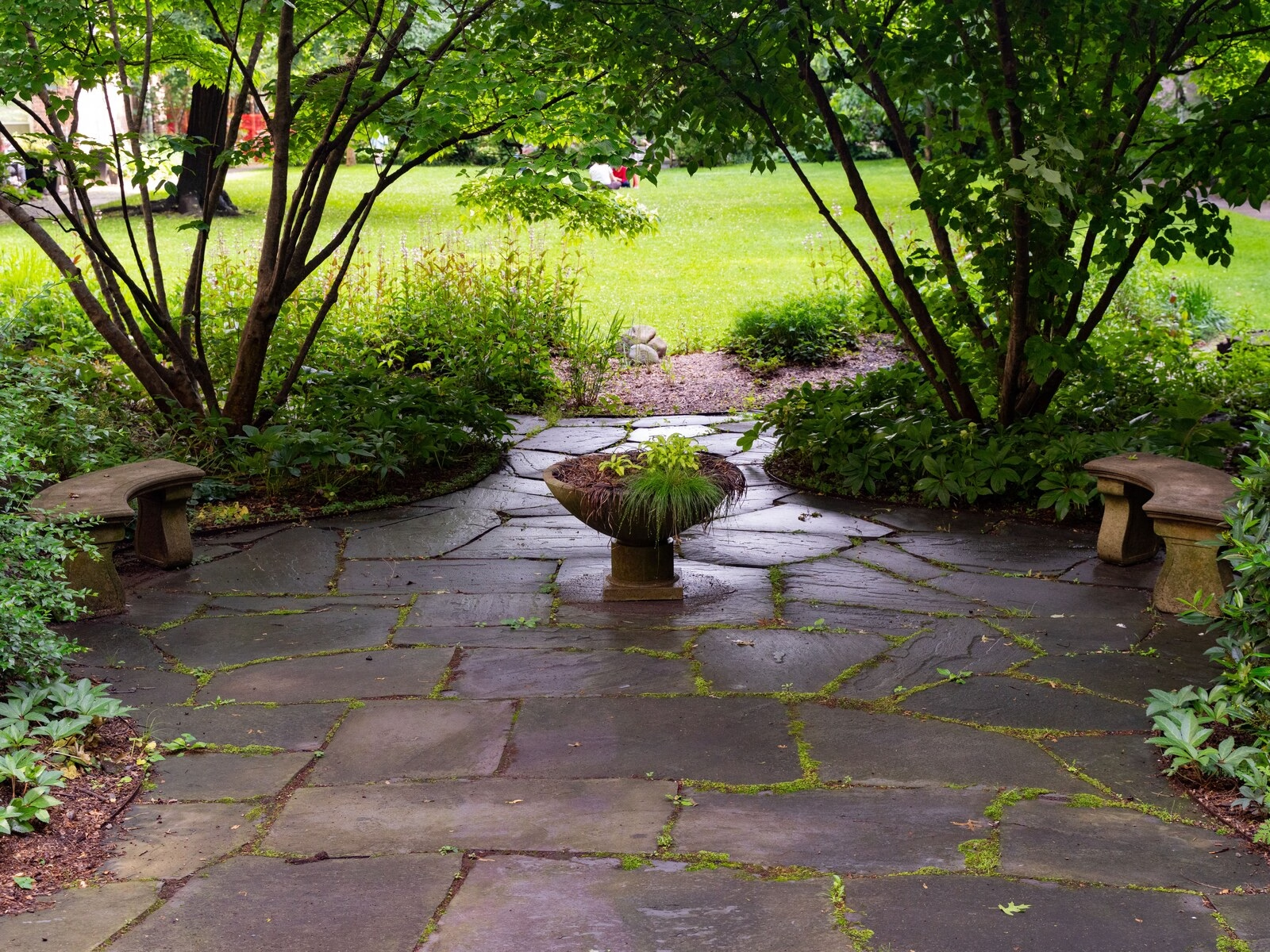
Why Stone Type Matters
Stone from one quarry rarely matches stone from another in how tightly packed its pores are. Those traits decide how much sealer the surface absorbs and how deeply color changes. A wet look coating works by reducing light scatter inside the tiny surface pores. When a homeowner matches a richer-toned coating to the stone, the surface gives back far less scattered light. A patio slab sits out in the weather all year, while an indoor floor stays sheltered. If the product was the wrong one, the color fades back to dull within a couple of rainy seasons.
Porous Stones That Show Rich Color
Travertine drinks in sealer quickly, since its open pores leave plenty of room for the product to settle. Pale beige limestone often turns a warm honey color once the sealer goes on. Sandstone with a washed-out red cast takes on the look of freshly fired terracotta. Slate is another strong match, since its deep grays and blues turn noticeably darker. Bluestone follows slate here, with its cool tones deepening once the sealer dries. With enough sealer soaked in, the finish holds, and the change stays easy to see.
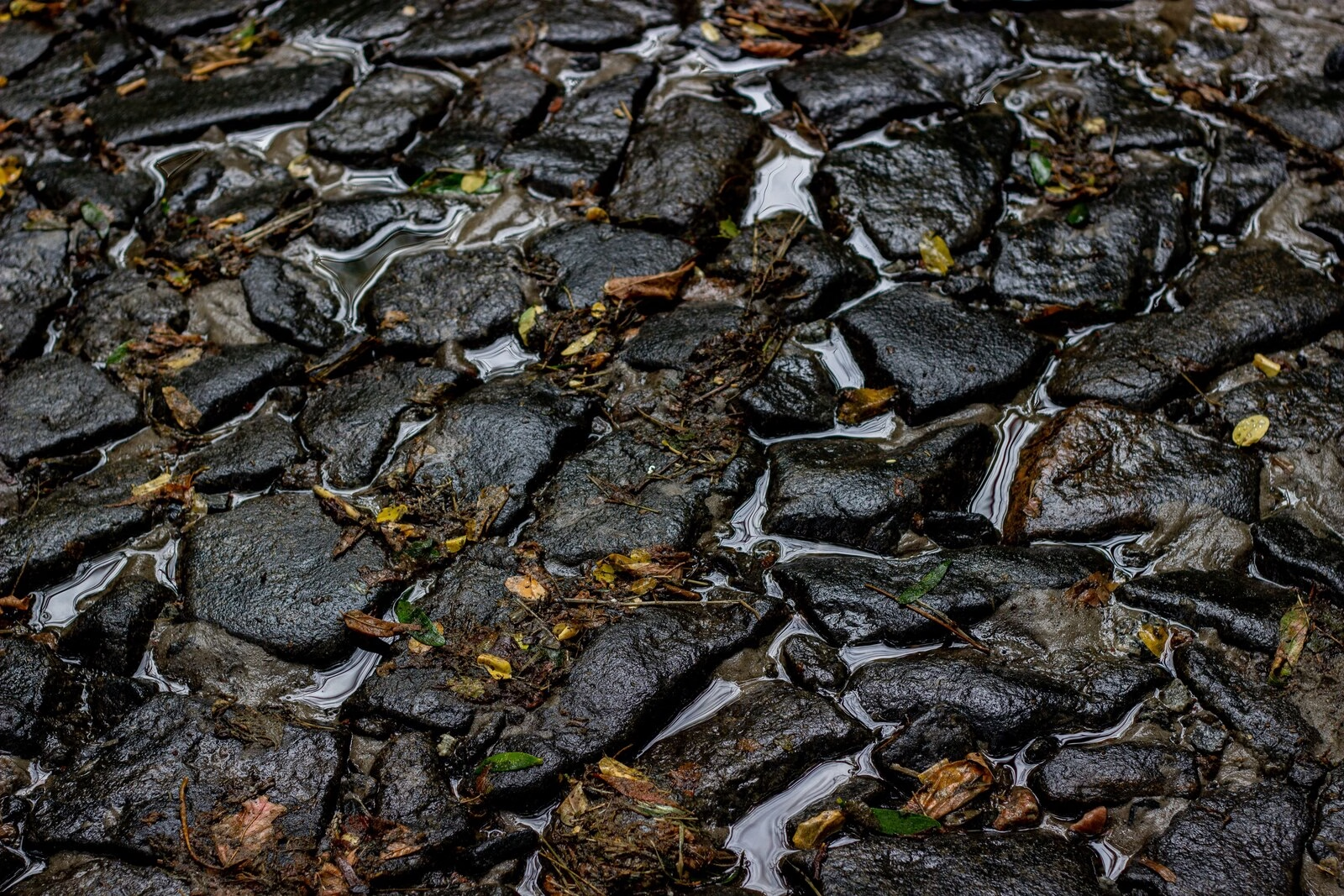
Dense Stones and Subtle Results
Granite is dense, so it absorbs little sealer and changes only slightly in color. Still, a wet look coating can sharpen its flecks and deepen any darker patterns. Marble varies, since honed and tumbled types accept sealer more readily than polished slabs. Polished marble is already glossy, so a wet look finish adds little visual benefit. Quartzite and other hard stones behave like granite, with modest but pleasing color gains. Expect refinement rather than transformation when you work with these tighter, denser natural materials.
Stones That Need Extra Caution
Some stones react to coatings in ways that call for extra care and testing. Soft, light stones like some limestones can darken unevenly if sealer pools on them. Stones with iron content may show rust tones that a color enhancer can intensify. Very pale marbles and white stones can sometimes take on an unwanted yellow cast. Stones with acid sensitive minerals also need a gentle, compatible product and careful cleaning. Checking these details early keeps a good project from turning into an expensive redo.
Testing Before You Seal
A small test patch is the most reliable way to preview your final results. Choose a hidden spot, such as a back edge, underside, or spare offcut piece. Clean and dry that test area fully, then apply the product exactly as directed. Let it cure fully, then view the patch in both bright sun and shade. Color can look noticeably different at noon than it does during the late evening. If you like what you see, you can confidently seal the rest of it.
Not every stone needs a wet look finish, and honestly, that’s perfectly okay too. Some of yours might look great as they are, with just a good cleaning. The ones that look a little tired are where a deeper tone really shines. Walk around your patio, notice which stones look washed out, and start with those. You’ll probably spot a difference before you’ve even finished the first little test patch. After that, the rest of the job usually feels a whole lot easier.