
A decade ago, the majority of commercial freight transportation was primarily associated with intercity or highway routes. The main risks were associated with long-distance trips, driver fatigue, and major accidents at high speeds. However, with the rise of e-commerce and faster delivery expectations, urban delivery has been growing rapidly.
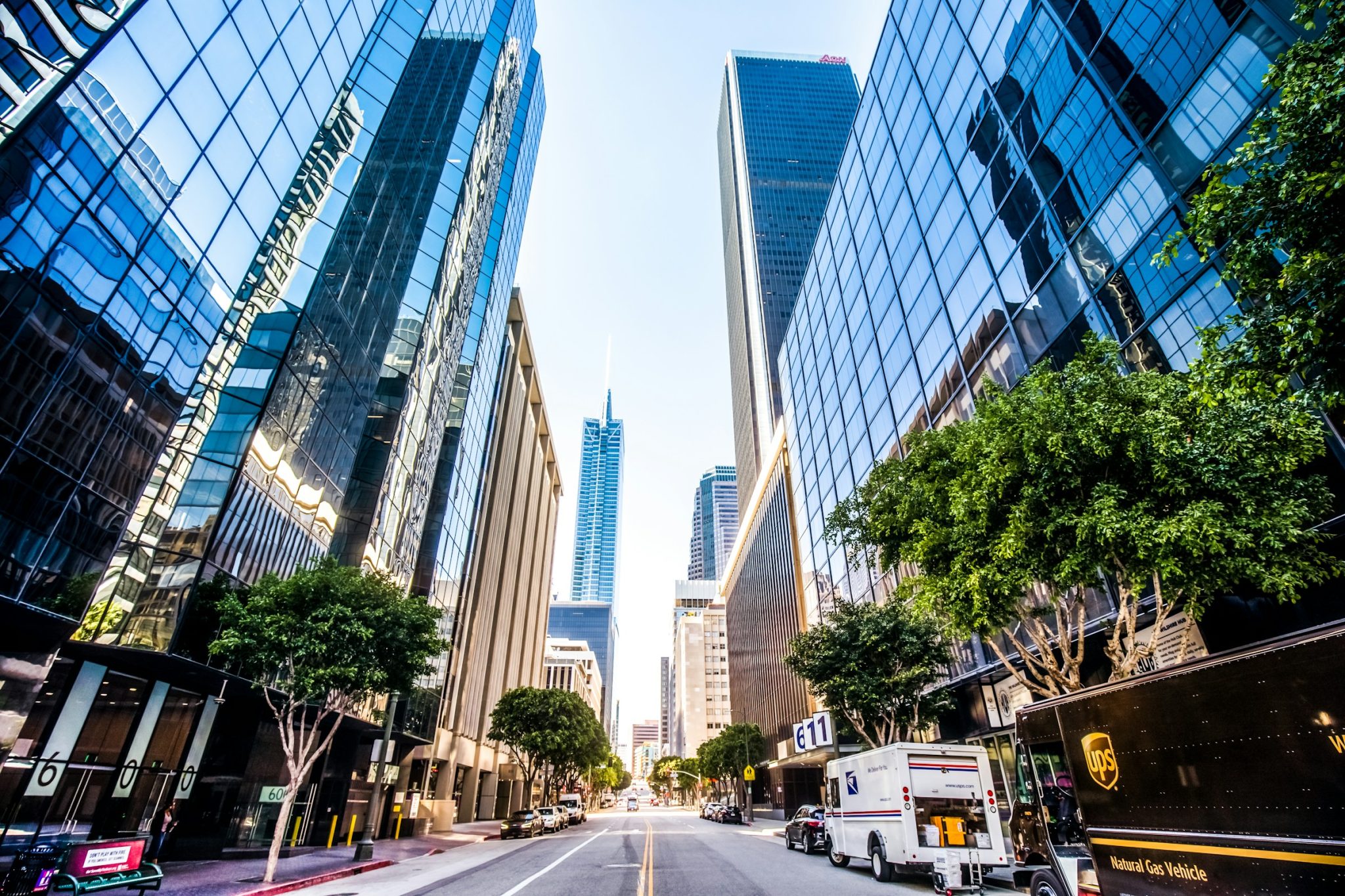
In recent years, more and more transportation companies have been operating in urban environments, where traffic conditions, infrastructure, and road users are significantly different from those on highways. At the same time, the nature of transportation company liability is evolving. Urban delivery introduces a different set of operational risks that were less prominent in highway-based transportation.
How Urban Delivery Changes Risk Exposure
Urban delivery is associated with high-intensity delivery activity, where drivers make more stops or navigate more turns in dense traffic conditions. This increases the risk of minor accidents, which are less common in long-haul or intercity operations.
In addition, urban environments involve a high number of road users, including pedestrians, cyclists, e-scooters, and public vehicles, increasing the likelihood of accidents and traffic conflicts.
As a result, transportation company liability increasingly arises in connection with minor accidents and incidents occurring in urban environments.
Aligning Insurance Coverage with Urban Operations
As urban delivery becomes more common, insurance structures are evolving to better reflect how transportation companies actually operate in city environments.
STAR Mutual RRG, for example, focuses on transportation risks and aligns its approach with the operational characteristics of urban and last-mile delivery fleets.
Why Urban Delivery Increases the Frequency of Insurance Claims
The key feature of urban logistics is that transportation companies operate in environments with high infrastructure density and concentrated population. While on a highway, the main hazard for a driver is a high-speed collision. In a city, however, the number of potential risks is much higher.
Damage to parked vehicles, collisions with urban infrastructure, or accidental collisions with a pedestrian or cyclist may all lead to claims. Although these cases are not major accidents, their frequency is significantly higher.
Key Factors Driving Liability in Urban Delivery

The growth in urban delivery services results in several key factors that determine transportation companies’ liability risk profile:
- High vehicle density and a large number of road users;
- The need for frequent stops and multiple maneuvers during a delivery run;
- Limited parking availability in city centers;
- The proximity of city infrastructure to pedestrian and residential areas;
- Tight delivery schedules, which increase driver workload.
All these factors lead to a higher rate of minor accidents and collisions. However, it is a combination of these factors that influence the overall liability exposure of transportation companies operating in urban environments.
Changing Fleet Structure
The growth of urban delivery is also influencing the types of vehicles companies operate. Where heavy trucks and trailers once dominated, vans, light trucks, and purpose-built delivery vehicles are now a growing part of these fleets.
While these vehicles are also more suitable for use in cities, there are also associated risk factors, particularly around frequent stops, confined-space maneuvering, and proximity to pedestrians.
The expansion of urban operations often requires hiring additional drivers, which can influence overall incident frequency.
Operational Implications for Transportation Companies
As urban delivery expands, transportation companies have to adapt their operations to more complex and dense environments.
Factors such as route planning, stop frequency, and driver workload play a larger role in day-to-day risk exposure than in traditional long-haul operations.
As a result, understanding where and how incidents occur within urban routes becomes an important part of managing overall operational stability.
Long-Term Changes in the Industry
The growth of urban delivery is unlikely to slow down in the near future. Online shopping continues to expand, and customers expect faster delivery times. This means that more transportation companies will be operating in urban environments.
As a result, transportation company liability will continue to evolve, with increasing exposure tied to high-density environments and the growing demands of urban logistics.


