
Proper boat cover selection is equally important as your boat selection when it comes to protection. A high-quality boat cover protects your vessel from all types of weather conditions, including UV rays, dirt, and other environmental factors that speed up the degradation process. Choosing the perfect boat cover material becomes challenging due to the extensive selection of polyester, canvas, and other materials. Different materials offer unique benefits and potential weaknesses, which might suit one boater’s needs but not another’s.

Table of Contents
- Overview of Popular Boat Cover Materials
- What to Expect from Polyester Covers
- Characteristics of Polypropylene Covers
- Durable Marine Paint: Enhancing Your Boat’s Protection
- Features of Vinyl Covers
- Why Canvas Covers Are Still Popular
- Premium Benefits of Sunbrella Fabric Covers
- Choosing the Best Boat Cover Material for Your Situation
- Maintaining Your Boat Cover for Maximum Lifespan
- Conclusion
The maintenance of boat integrity depends heavily on marine paint and boat covers. Marine paint protects the hull and exposed surfaces, as well as against corrosion, abrasion, and saltwater damage. The correct combination of boat covers and marine paint will extend your boat’s operational life while maintaining its performance. The following analysis evaluates popular boat cover materials while discussing marine paint advantages to help you select the best solution matching your boating habits.
Overview of Popular Boat Cover Materials
Different boat covers exist for specific needs since they are made from various materials. The market offers four primary materials for boat covers: polyester, polypropylene, vinyl, Sunbrella fabric, and canvas. The combination of polyester and polypropylene offers budget-friendly water-resistant properties, while vinyl provides heavy-duty protection. Canvas provides durable, breathable characteristics, and Sunbrella represents the premium option that blends durability with UV resistance.
What to Expect from Polyester Covers
Polyester boat covers remain affordable and lightweight, and they are widely available. Their fast-drying properties help prevent mildew growth. The material withstands water exposure and average UV radiation levels, making it appropriate for outdoor storage of shorter to intermediate durations.
Polyester covers display reduced durability against abrasion while experiencing accelerated degradation when exposed to harsh storage conditions. The lack of breathability in polyester covers allows moisture to accumulate beneath the cover, creating damage risks when storage occurs in humid conditions.
Characteristics of Polypropylene Covers
Polypropylene boat covers provide budget-friendly waterproof protection and decent UV protection. They appeal to users because they dry quickly while maintaining their lightweight quality.
The limited breathability of polypropylene materials leads to condensation accumulation under the cover, which may develop mold and mildew when ventilation is inadequate. Polypropylene shows signs of degradation after extended sun exposure, which limits its suitability for permanent outdoor storage in sunny weather conditions.
Durable Marine Paint: Enhancing Your Boat’s Protection
Boat covers protect surfaces, yet marine paint serves as a vital defensive layer that shields your boat’s hull structure and exterior components. Marine paint is a specialized product that withstands the tough conditions found in saltwater environments, along with sunlight and physical wear.
The protective barrier formed by durable marine paint acts as a shield that extends the lifespan of boat surfaces while fighting against chipping, peeling, and fading. Through its protective barrier, marine paint minimizes fouling by preventing barnacles and algae from bonding to the hull surface.
The combination of marine paint with high-quality boat covers will provide superior protection to your boat. Marine-grade paint together with a durable cover system will provide peace of mind when storing your boat in saltwater or harsh weather environments while minimizing maintenance expenses.
Marine paint provides enduring protection beyond cover-only solutions, especially when boats encounter corrosive and abrasive environmental conditions.
Features of Vinyl Covers
Vinyl covers are popular because of their heavy-duty water resistance and durability. They are thicker than polyester or polypropylene materials and serve as the best storage option for extended wet conditions. The material provides excellent resistance to tearing while simultaneously defending against UV light, so it works well for boats that remain outdoors frequently.
The main issue with vinyl is its tendency to trap moisture underneath when ventilation is insufficient. Ventilation must be sufficient for vinyl covers since improper airflow allows mold and mildew to form. The weight of vinyl materials makes them more difficult to remove and reinstall frequently.
Why Canvas Covers Are Still Popular
Boat owners have used canvas covers as their primary boat cover choice for multiple generations. Canvas’s breathable nature helps to stop moisture accumulation while protecting against mold growth. It also provides strong durability and effective protection against UV radiation and physical damage.
The main disadvantage of canvas covers is their weighty design and bulkier shape, together with their higher price point compared to synthetic materials. Canvas covers’ protective properties depend on regular maintenance, which includes cleaning followed by waterproofing applications. The premium protection and extended durability of canvas make it an excellent choice for boaters who invest their time and money.
Premium Benefits of Sunbrella Fabric Covers
The market’s premium segment features Sunbrella fabric covers as its highest-end option. Sunbrella fabric delivers exceptional durability, UV protection, and breathability in a material that remains both strong and lightweight. Its exceptional fade resistance and weather resistance make it suitable for continuous outdoor usage throughout the year.
The initial cost of Sunbrella covers remains their main drawback. They cost more than other materials at purchase. Most boat owners purchase Sunbrella fabric because it offers an extended lifespan and requires minimal upkeep.
Choosing the Best Boat Cover Material for Your Situation
Choosing the right boat cover material depends on several factors:
- Climate: Wet, humid climates benefit from breathable fabrics like canvas or Sunbrella to prevent mildew. Dry, sunny climates require UV-resistant materials like Sunbrella or vinyl.
- Storage Conditions: Indoor storage allows for lighter, less durable covers, while outdoor storage demands heavy-duty, waterproof materials.
- Usage: Frequent boaters might prefer lightweight covers for easy handling, while seasonal users may opt for heavier, more protective options.
- Budget: Affordable materials like polyester or polypropylene suit casual use, while serious boaters investing in long-term protection might prefer canvas or Sunbrella.
A well-fitted cover with adequate ventilation will extend the life of your cover and protect your boat more effectively.
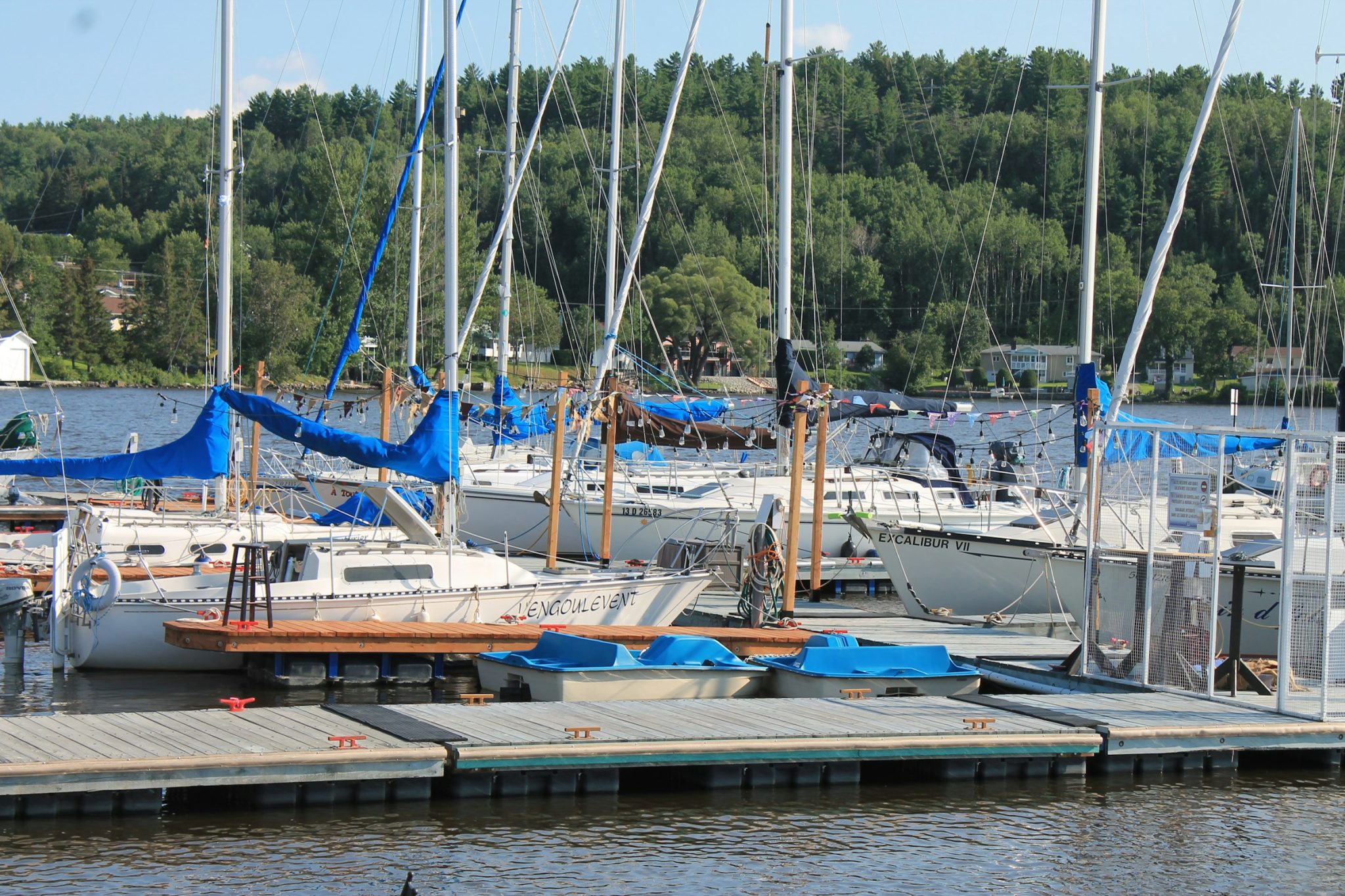
Maintaining Your Boat Cover for Maximum Lifespan
The material choice does not affect the necessity of proper care. Regular cleaning of your boat cover with mild soap and water helps stop dirt accumulation and mildew growth. Harsh chemicals or bleach should be avoided because they can damage fabrics.
The storage area should be dry and cool, and your cover should be loosely folded to avoid damage and creases. Covers should be regularly checked to detect wear and tear so you can fix small holes or replace them when needed.
Also check out: Jet Ski Maintenance and Costs.
Conclusion
Each boat cover material has its own advantages and disadvantages. Polyester and polypropylene provide affordable, lightweight protection for boats, while vinyl and canvas offer durable protection with different levels of breathability. Sunbrella covers deliver premium performance through their long-lasting UV resistance.
Your selection of boat cover material and possibly marine paint will depend on your environment and storage conditions and usage habits and budget to protect your boat while maintaining its appearance and value throughout multiple seasons.


