
Urban regeneration projects have been transforming cities and towns across the UK for decades, reshaping the landscape and revitalising local economies. These large-scale initiatives, which often include infrastructure improvements, housing developments, commercial spaces, and public amenities, can have a profound effect on property values in the areas they target. For buyers, sellers, and investors, understanding the impact of these regeneration projects is vital when assessing the potential of a property market hence a property valuation is the best choice.
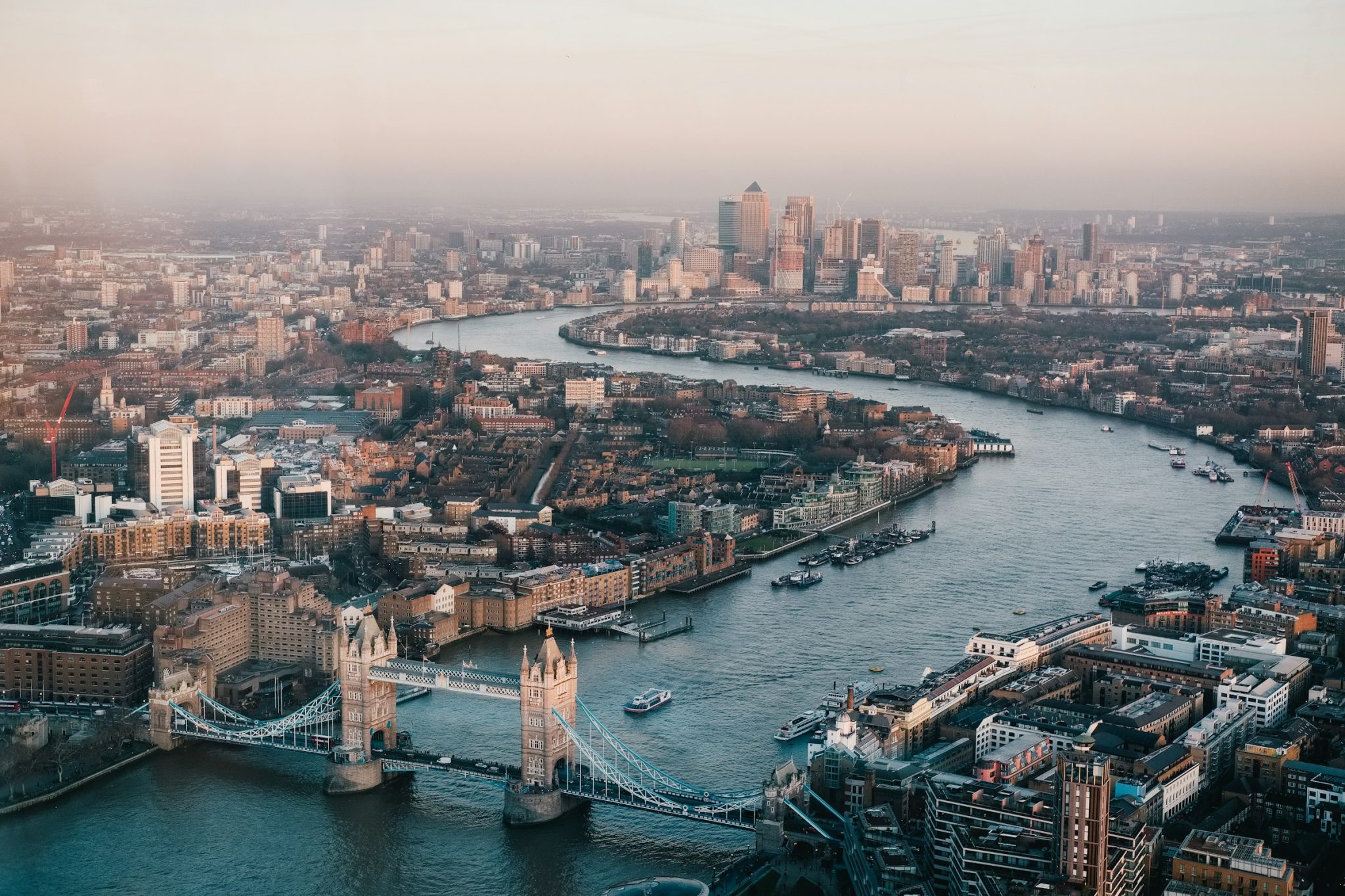
Table of Contents
- 1. What is Urban Regeneration?
- 2. How Urban Regeneration Affects Property Values
- 3. Examples of Successful UK Urban Regeneration Projects
- 4. Risks and Considerations for Buyers and Investors
1. What is Urban Regeneration?
Urban regeneration involves large-scale development projects aimed at improving the physical, social, and economic conditions of urban areas that may be in decline. These projects can be driven by local councils, the national government, or private developers, often with the aim of reversing urban decay, boosting economic growth, and improving the quality of life for residents.
Regeneration typically includes:
- Infrastructure improvements, such as new roads, transport links, and green spaces.
- Residential developments, including new housing estates, apartment complexes, and affordable housing.
- Commercial development, such as new retail, office spaces, and business hubs.
- Community amenities, such as schools, parks, healthcare facilities, and cultural venues.
Notable UK regeneration projects include the London Docklands redevelopment, Manchester’s Northern Quarter, and Birmingham’s Big City Plan.
2. How Urban Regeneration Affects Property Values
Urban regeneration projects can sharply increase property values, particularly in previously underdeveloped or neglected areas. The scale of impact depends on several factors, including the type and quality of the development, its location, and the broader economic conditions.
a. Increased Demand for Property
One of the most immediate effects of urban regeneration is an increase in demand for property. Regeneration typically brings improved infrastructure, better amenities, and job opportunities, making the area more attractive to potential buyers and renters.
- Transport Links: Improved transport infrastructure, such as new train stations, bus routes, and cycle lanes, can drastically improve connectivity to city centres and surrounding areas. This ease of access appeals to buyers, particularly commuters, and raises demand for homes nearby. For example, the Crossrail (Elizabeth Line) project in London significantly boosted property values in areas along the route, even before the line was fully operational.
- New Amenities: Regeneration often introduces new schools, healthcare facilities, parks, and cultural attractions, making the area more desirable for families and professionals. As the quality of life improves, more people are drawn to the area, increasing competition for properties and pushing up prices.
Tip for Buyers: Keep an eye on upcoming regeneration projects. Buying in a regeneration zone before work begins can lead to strong long-term gains, as property values tend to rise as the project progresses and new amenities are developed.
b. Rising Property Prices
In areas undergoing regeneration, property prices tend to rise as the project reaches completion. The improvements in infrastructure, the creation of new residential and commercial spaces, and the influx of new businesses and residents drive up demand and, consequently, prices.
- Regeneration Premium: Properties in regenerated areas often command a “regeneration premium,” meaning they are priced higher than similar properties in neighbouring areas that have not benefited from redevelopment. This premium can be substantial, depending on the scope of the regeneration project. For instance, the London Docklands area, which was once an industrial wasteland, has become a highly sought-after location with prime residential and commercial real estate commanding top prices.
- Long-Term Price Growth: In many cases, the price growth continues for years after the completion of the project as the area becomes more established and popular. This long-term growth can be especially beneficial for investors looking for capital appreciation.
Tip for Investors: Investing in areas earmarked for regeneration can offer strong potential for capital growth, especially over the long term. Research the project timeline and its likely effects on property values before committing to any decision.
c. Gentrification and Its Effects
Urban regeneration often leads to gentrification, where an influx of higher-income residents moves into an area, driving up property values and displacing lower-income residents. Gentrification can have both positive and negative effects on property values and local communities.
- Positive Effects on Property Values: As wealthier residents move in, demand for high-quality housing increases, leading to rising property values. The area’s image improves, attracting further investment from businesses and developers, which further boosts property prices.
- Negative Effects on Local Communities: On the downside, gentrification can lead to the displacement of long-standing residents who can no longer afford the rising rents or house prices. This can cause social tensions and disrupt the community fabric. For potential buyers or investors, it’s worth considering the ethical and social implications of investing in a gentrifying area.
Tip for Sellers: If you’re selling a property in an area undergoing regeneration, gentrification can work in your favour, as property prices are likely to rise quickly. Keep an eye on market trends, since rapid price increases can also lead to fluctuations in buyer demand.
d. The Role of Public and Private Investment
Urban regeneration projects often involve large investment from both public and private sectors, which can directly influence property values.
- Public Investment: Government funding for infrastructure improvements, such as new roads, schools, and public transport, tends to have a positive impact on property prices. Public investment signals that the area is a priority for development, boosting confidence among buyers and investors.
- Private Investment: Private developers play a key role in regeneration projects by building new residential, commercial, and retail spaces. High-quality private developments, such as mixed-use schemes that combine housing, shopping, and entertainment, can lead to higher property values as they make the area more attractive to both buyers and renters.
Tip for Buyers and Investors: Keep an eye on where both public and private funds are being directed in regeneration projects. Areas with strong investment from both sectors are likely to see the most notable increases in property values.
3. Examples of Successful UK Urban Regeneration Projects
Several major regeneration projects across the UK have had a notable impact on property values, demonstrating the transformative potential of these developments.
a. London Docklands
The transformation of the London Docklands is one of the most well-known examples of urban regeneration in the UK. Once a decaying industrial area, the Docklands has been revitalised into a bustling commercial and residential hub, home to Canary Wharf and luxury apartment complexes.
- Property Value Impact: Since the regeneration began in the 1980s, property prices in the area have soared. The development of modern infrastructure, such as the Docklands Light Railway (DLR) and Crossrail, has made the area a key financial district, attracting professionals and investors from around the world.

b. Manchester’s Northern Quarter
Manchester’s Northern Quarter was once a neglected part of the city, known for its derelict buildings and industrial past. Today, it’s a thriving cultural and creative hub, thanks to regeneration projects that revitalised old warehouses into trendy apartments, independent shops, and cultural venues.
- Property Value Impact: As a result of this transformation, property values in the Northern Quarter have risen sharply. The area’s proximity to the city centre, combined with its unique character and independent spirit, has made it a highly desirable location for young professionals and investors.
c. Birmingham’s Big City Plan
The Big City Plan is a 20-year regeneration initiative in Birmingham, aimed at transforming the city centre by improving infrastructure, developing new public spaces, and creating more residential and commercial buildings.
- Property Value Impact: The plan has already had a positive effect on property values in Birmingham, particularly around areas like Digbeth and Jewellery Quarter, where new residential developments and improved transport links have increased demand. As the plan progresses, property prices are expected to rise further, especially as the HS2 rail link brings London within an hour’s commute.
4. Risks and Considerations for Buyers and Investors
While urban regeneration projects offer real opportunities for increasing property values, they also come with certain risks:
- Delays and Uncertainty: Large-scale regeneration projects often experience delays, which can affect property prices in the short term. Consider the project timeline carefully and how long you may need to wait before seeing a return on investment.
- Potential Overdevelopment: In some cases, regeneration can lead to overdevelopment, with an excess of new housing or commercial spaces saturating the market. This can limit price growth or even cause prices to stagnate.
- Economic Fluctuations: Regeneration projects are also vulnerable to broader economic conditions. If the economy slows down, buyer demand may decrease, affecting property values in the area.
Tip for Investors: Diversify your investment portfolio and be prepared for potential delays in price growth when investing in regeneration areas. A long-term perspective is the most reliable way to benefit from these projects fully.


