
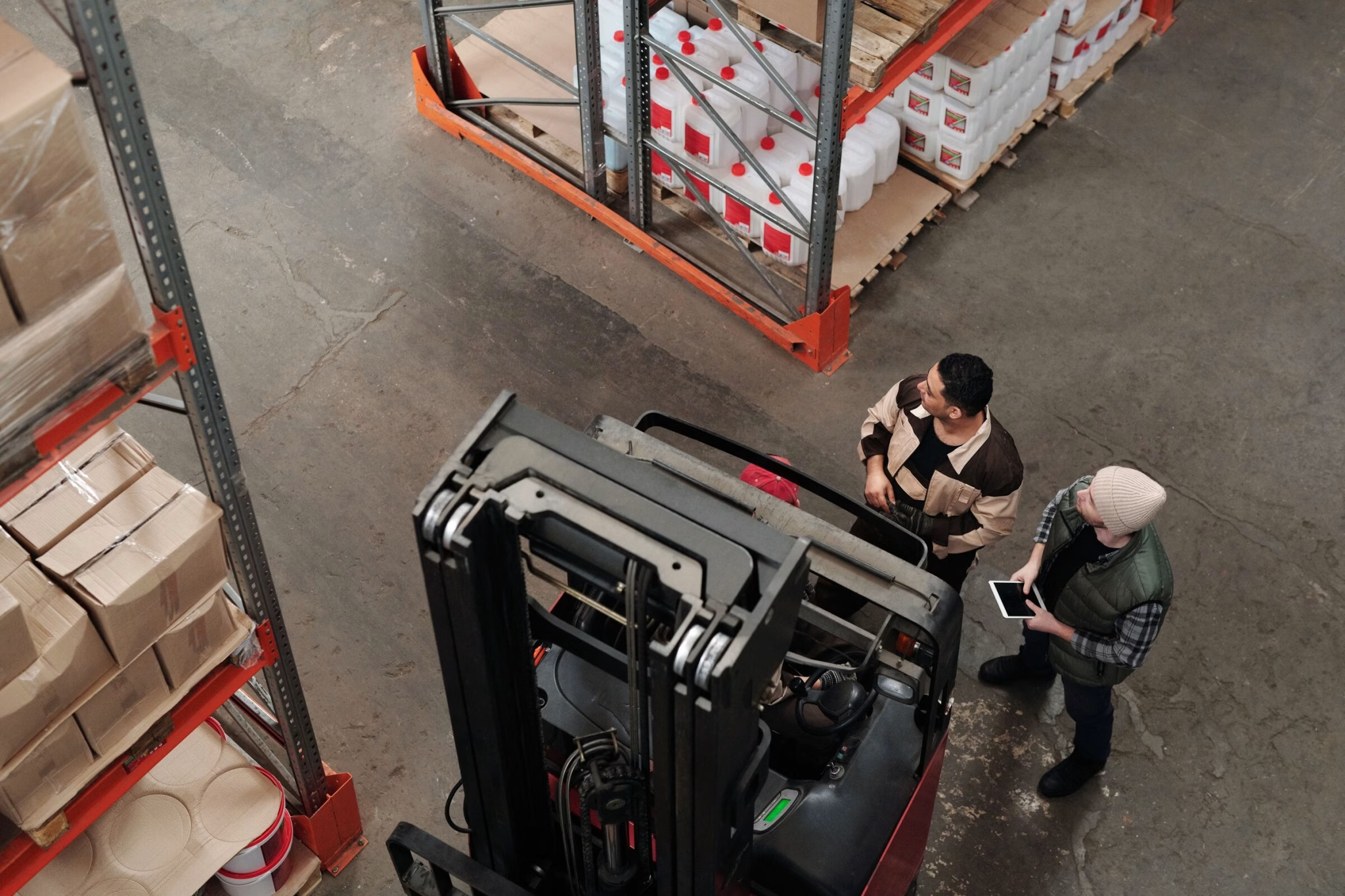
A warehouse can appear to be running efficiently until a single piece of equipment stops working. A malfunctioning forklift, an unreliable aerial lift, or a damaged conveyor component can interrupt an entire shift. Workers may need to change their routes, shipments can fall behind schedule, and routine tasks suddenly become difficult to complete.
Many equipment failures develop gradually rather than occurring without warning. Unusual vibrations, inconsistent performance, and worn components often indicate problems that require attention.
Understanding these early warning signs and establishing practical maintenance routines can help warehouse managers reduce unexpected downtime, improve workplace safety, and extend equipment service life.
Why Replacement Parts Should Be Part of Maintenance Planning
Warehouse maintenance involves more than inspecting equipment and scheduling repairs. Managers must also ensure that suitable replacement components are available when problems arise.
Forklifts, scissor lifts, and other material-handling machines contain mechanical, electrical, and hydraulic systems that experience wear during regular operation. When essential components fail, finding compatible replacements can become a significant challenge.
For facilities operating JLG aerial equipment, suppliers such as Intella Parts Company LLC provide access to replacement components, including filters, wheels, electrical parts, and hydraulic components. Having a reliable sourcing process helps maintenance teams identify suitable parts without unnecessary delays.
However, compatibility should never be assumed based on appearance alone. Equipment model numbers, serial numbers, manufacturer specifications, and operating requirements must be checked before ordering.
Keeping records of frequently replaced components can also help managers anticipate future maintenance needs.
A structured parts procurement process makes equipment repairs more predictable and reduces the risk of extended operational interruptions.
Recognizing Early Signs of Forklift Wear
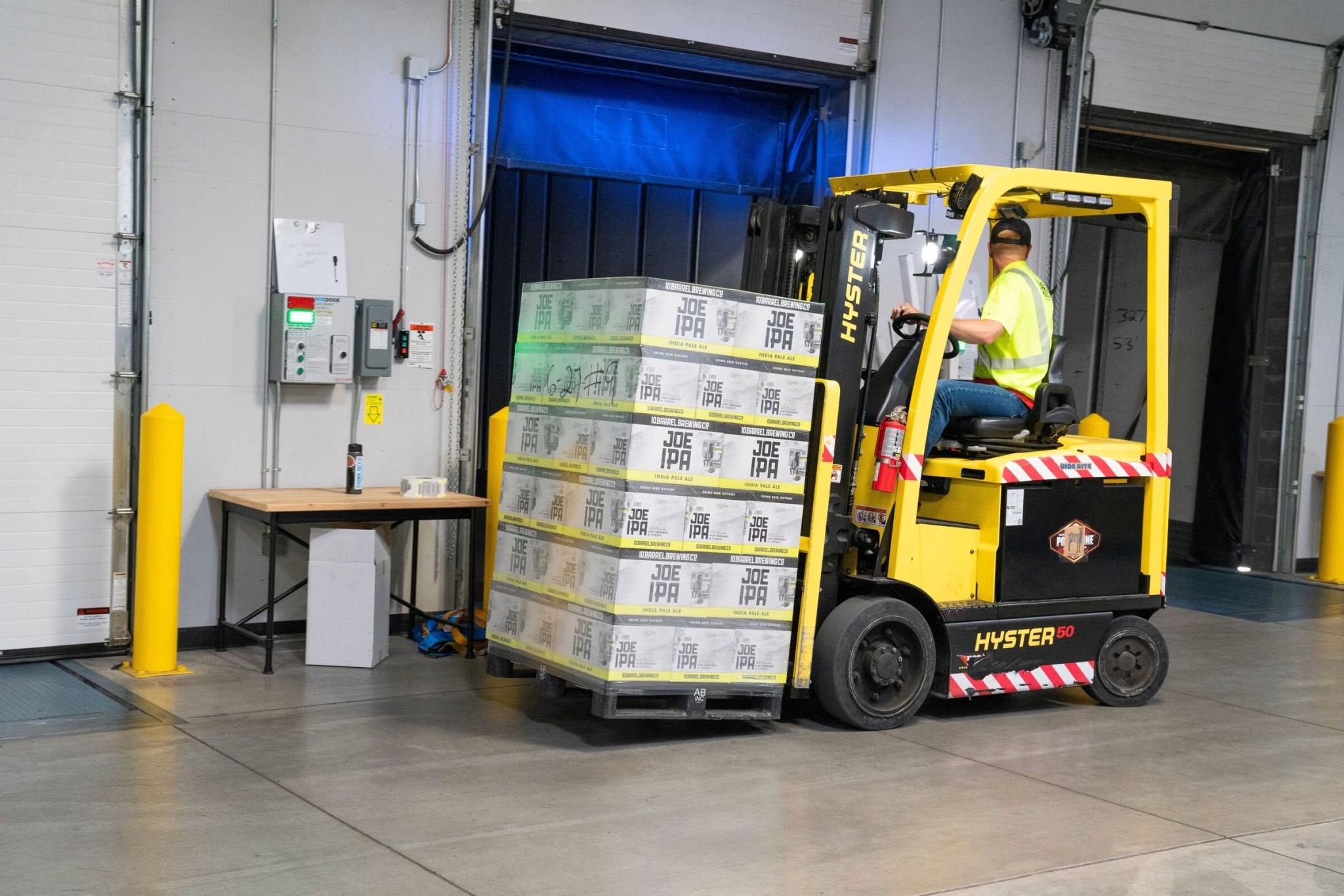
Forklifts are essential for moving pallets, loading trucks, and transporting materials throughout warehouses. Because they operate frequently, minor mechanical problems can develop into serious failures when ignored.
Unusual steering resistance, inconsistent braking, fluid leaks, and unexpected vibrations may indicate developing equipment problems.
Operators should report these symptoms immediately rather than continuing to use machinery that may be unsafe.
Daily pre-operation inspections can help identify visible damage, tire deterioration, hydraulic leaks, and malfunctioning warning devices.
Maintenance personnel should investigate reported issues according to manufacturer recommendations.
For example, damaged tires can affect stability, while hydraulic problems may interfere with lifting performance.
Equipment with safety-related defects should be removed from service until properly repaired.
Addressing warning signs early helps prevent additional component damage and supports safer material-handling operations.
Keeping Aerial Lifts Safe and Reliable
Aerial lifts allow workers to access elevated storage areas, lighting fixtures, and building infrastructure. However, their operation introduces hazards that require careful equipment management.
Scissor lifts and boom lifts rely on multiple systems working correctly, including platform controls, structural components, hydraulic mechanisms, and safety devices.
Before operation, trained personnel should inspect the equipment for visible defects and confirm that required safety systems function properly.
Damaged guardrails, leaking hydraulic components, and malfunctioning controls require immediate attention.
Maintenance procedures should follow the manufacturer’s instructions, particularly when inspecting elevated or pressurized components.
Workers must also understand the equipment’s rated capacity and intended operating conditions.
Repairs involving critical structural or safety components should be performed by appropriately qualified personnel using approved procedures and compatible parts.
Consistent inspections help reduce equipment failures while protecting employees working at height.
Preventing Battery Problems Before Equipment Stops
Battery-powered warehouse equipment offers practical advantages, particularly in indoor environments where exhaust emissions are a concern.
However, poor battery maintenance can reduce operating time and cause unexpected interruptions.
Common warning signs include declining runtime, charging difficulties, damaged cables, and unusual battery temperatures.
Different battery technologies require different maintenance procedures.
Lead-acid batteries may need electrolyte checks and appropriate ventilation during charging, while lithium-ion systems generally rely on specialized battery management electronics.
Operators should never apply maintenance procedures intended for one battery type to another.
Charging stations should be kept organized, and damaged connectors must be addressed promptly.
Maintenance teams should also monitor recurring charging problems rather than repeatedly returning unreliable equipment to service.
Following manufacturer-approved charging and inspection practices can improve battery reliability and reduce preventable disruptions during busy shifts.
Protecting Hydraulic Systems From Contamination
Hydraulic systems power many lifting and positioning functions in warehouse equipment.
These systems depend on properly maintained fluid, seals, hoses, and pumps to deliver consistent performance.
Contamination is a common cause of hydraulic component deterioration. Dirt, moisture, and other unwanted materials can interfere with moving parts and accelerate wear.
Operators may notice slower lifting speeds, unusual noises, visible leaks, or inconsistent hydraulic response.
Maintenance teams should investigate these symptoms before they develop into more extensive failures.
Hydraulic filters and fluids must be serviced according to equipment specifications rather than arbitrary replacement schedules.
Technicians should also use appropriate precautions when working around pressurized hydraulic systems.
A small external leak can indicate a larger problem and should never be checked by hand because pressurized fluid can penetrate skin.
Clean maintenance practices help preserve hydraulic performance and equipment reliability.
Maintaining Conveyors and Warehouse Automation
Conveyor systems and automated equipment can improve material movement, but their reliability depends on regular inspections.
Worn rollers, misaligned belts, damaged sensors, and loose mechanical components can interrupt the movement of goods.
Even a relatively minor problem may affect several connected workstations.
Maintenance personnel should monitor unusual sounds, belt tracking, and recurring stoppages.
Accumulated debris should also be removed using approved cleaning procedures.
Before performing maintenance, workers must follow appropriate energy-isolation and lockout/tagout requirements.
Guards and protective devices should never be bypassed simply to restore production quickly.
For automated systems, maintenance records can reveal recurring failures that indicate underlying alignment or component problems.
Correcting these issues helps maintain consistent material flow and reduces the likelihood of repeated interruptions during high-volume operations.
Using Maintenance Records to Identify Recurring Failures
Equipment maintenance becomes more effective when managers can identify patterns rather than treating every breakdown as an isolated event.
Detailed service records should include inspection findings, reported symptoms, completed repairs, replaced components, and equipment operating hours.
This information can reveal machines that require unusually frequent attention.
For example, repeated hydraulic seal failures may indicate contamination, excessive pressure, or another unresolved condition.
Similarly, recurring electrical problems may point to damaged wiring or environmental exposure.
Maintenance teams can use these findings to investigate underlying causes before replacing the same components again.
Digital maintenance management systems can simplify recordkeeping, although organized paper records can also be useful.
The important factor is maintaining accurate information that supports better repair decisions.
Building a Maintenance Schedule That Supports Productivity
An effective maintenance program should reflect how equipment is actually used.
Machines operating across multiple shifts may require more frequent attention than equipment used occasionally.
Start with manufacturer-recommended service intervals and applicable inspection requirements.
Then consider operating hours, environmental conditions, equipment age, and previous maintenance findings.
Assign clear responsibilities for daily inspections, scheduled servicing, and reporting defects.
Maintenance activities should be coordinated with warehouse operations whenever possible to minimize unnecessary disruption.
However, safety-critical repairs must never be postponed simply to meet production targets.
Review equipment performance regularly and adjust maintenance plans when recurring problems appear.
A successful warehouse maintenance strategy does not depend on eliminating every mechanical failure. It focuses on identifying developing problems, responding appropriately, and maintaining reliable equipment.
By combining preventive inspections, accurate service records, compatible replacement parts, and qualified repairs, warehouse managers can reduce avoidable downtime while supporting safer and more efficient daily operations.