
For years, fitness culture celebrated intensity. Early morning workouts, demanding training schedules and the pursuit of personal records became familiar markers of dedication. Now, a more balanced approach is gaining attention, one that recognizes the importance of what happens between exercise sessions. Athletic recovery is no longer a concern reserved for professional competitors. Everyday fitness enthusiasts are exploring ways to manage fatigue, improve comfort and maintain consistent routines. From restorative movement to dedicated wellness amenities, recovery has become an increasingly visible part of the fitness experience. Understanding which practices genuinely support the body can help people exercise more comfortably and sustainably.

Recovery Depends on Your Workout
Different types of workouts place different demands on the body, making recovery needs highly individual. Strength training creates muscular fatigue that may require additional time between demanding sessions, while running and other repetitive activities can leave particular muscle groups feeling sore. High-intensity interval training may require greater attention to rest, especially when sessions are frequent. Lower-impact activities, including walking and gentle cycling, can sometimes support comfortable movement between harder workouts. Rather than following a rigid recovery formula, individuals should consider exercise intensity, training experience and how their bodies respond. Persistent soreness, declining performance and unusual fatigue may indicate that additional rest is necessary.
Sleep Remains the Foundation
Among the many recovery techniques available, adequate sleep remains one of the most important. During sleep, the body carries out processes involved in tissue repair, energy regulation and adaptation to physical activity. Adults generally need at least seven hours nightly, although individual requirements vary. Maintaining consistent bedtimes, limiting late caffeine consumption and creating a comfortable sleeping environment can support better rest. Intense evening workouts may interfere with sleep for some people, making schedule adjustments worthwhile. Fitness enthusiasts who consistently sacrifice sleep to accommodate early training sessions may find that their overall performance suffers. Recovery begins with allowing the body sufficient time to rest.
Recovery Treatments Enter Everyday Wellness
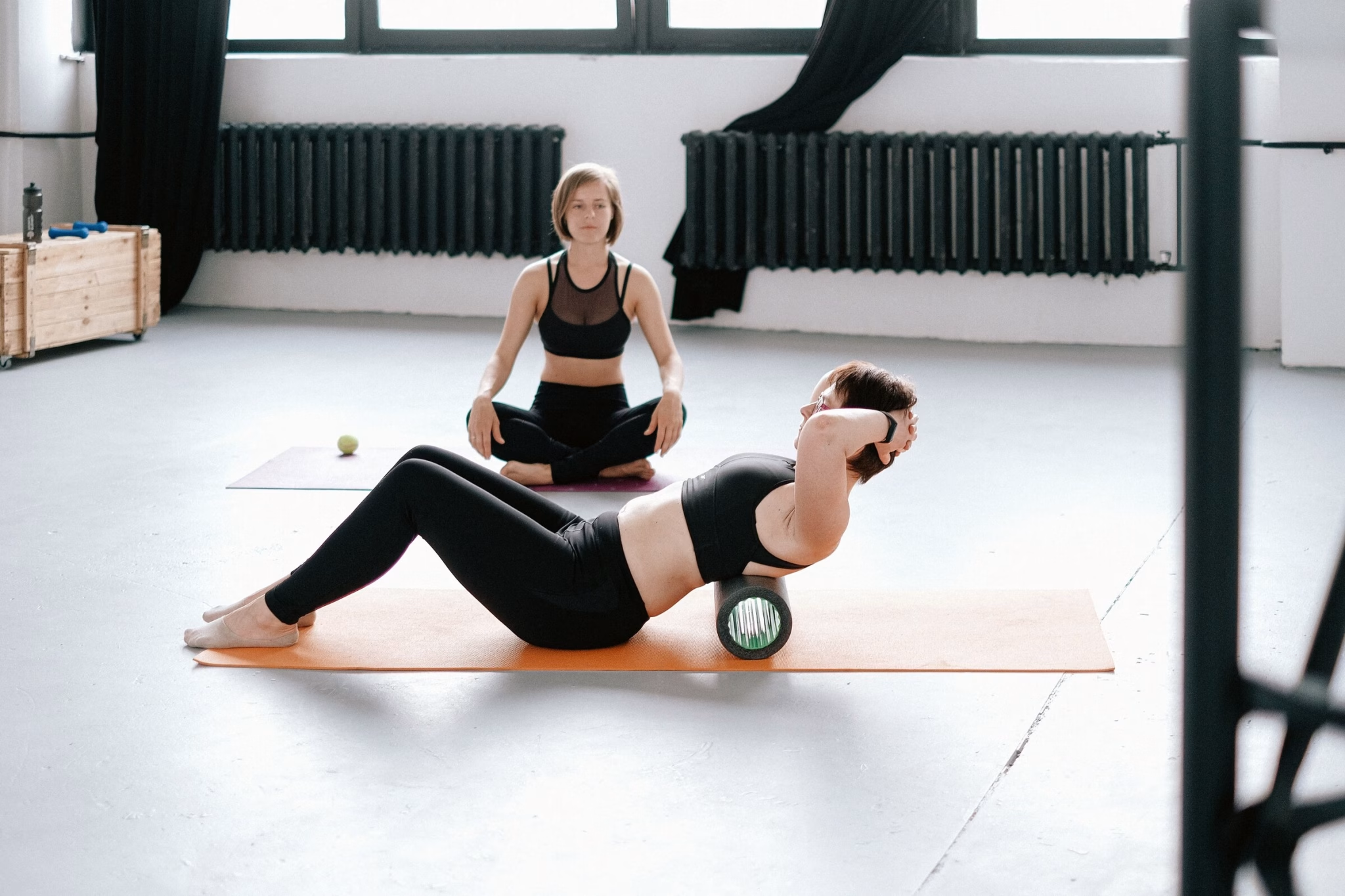
Dedicated recovery amenities are becoming an appealing addition to fitness facilities, introducing members to experiences previously associated with specialized athletic environments. Massage, infrared saunas, cold-water immersion and guided stretching sessions offer different approaches to post-exercise comfort. Massage may provide temporary relief from muscle soreness, while heat-based experiences can encourage relaxation. Cold-water immersion may reduce perceived soreness after certain demanding activities, although it is not necessary for everyone and may interfere with some strength-training adaptations when used immediately afterward. Individual preferences and medical considerations should guide participation. These services are best understood as optional additions to established recovery practices rather than replacements for adequate rest and nutrition.
Nutrition Supports Physical Recovery
What happens after exercise can influence how effectively the body prepares for future activity. Protein supplies amino acids needed for muscle repair, while carbohydrates help replenish energy stores used during training. A balanced meal containing both nutrients can support recovery without requiring expensive supplements or elaborate meal plans. Fluid replacement also matters, particularly after prolonged exercise or workouts performed in warm environments. People who sweat heavily may need to consider electrolyte replacement alongside water intake. Requirements vary according to body size, activity duration and individual health needs. Consistent eating habits throughout the day generally deserve more attention than attempting to perfect the timing of every post-workout snack.
Choosing Facilities With Recovery Amenities
Fitness memberships increasingly offer opportunities to combine exercise with relaxation and restorative services in one location. People comparing gyms in Bethesda MD, Springfield VA or Bend OR may want to examine available amenities alongside traditional training equipment and group classes. Some facilities provide stretching areas, swimming pools, massage services or dedicated heat therapy spaces, while others focus primarily on exercise instruction. Prospective members should ask whether recovery amenities require additional fees, reservations or separate memberships. Convenient access can make these services easier to incorporate into established routines. However, the most attractive facility is one that supports personal fitness goals without encouraging unnecessary spending on treatments.
Recognizing When Rest Is Necessary
Learning to distinguish ordinary post-exercise soreness from signs of excessive strain is an important part of maintaining a sustainable fitness routine. Mild muscular discomfort after unfamiliar activity can be expected, but sharp pain, swelling or symptoms that worsen with movement deserve attention. Scheduling lighter training days allows individuals to remain active without repeatedly placing maximum demands on the same muscles. Mobility exercises and gentle stretching may improve comfort, provided movements remain within a pain-free range. Fitness professionals can help adjust training schedules, while persistent or unusual symptoms warrant medical evaluation. Progress depends on balancing physical challenges with opportunities for the body to adapt.
Athletic recovery is becoming an essential consideration in everyday fitness, offering a more sustainable approach to regular exercise. Prioritizing sleep, nutrition and appropriate rest allows recovery services to complement a healthy routine rather than define it.