
Buying a home once felt like a goal meant for some distant version of our lives. The down payment looked enormous. The timeline stretched out past the horizon. Then the path got shorter, not because anything dramatic happened, but because a handful of habits took root and stayed there.
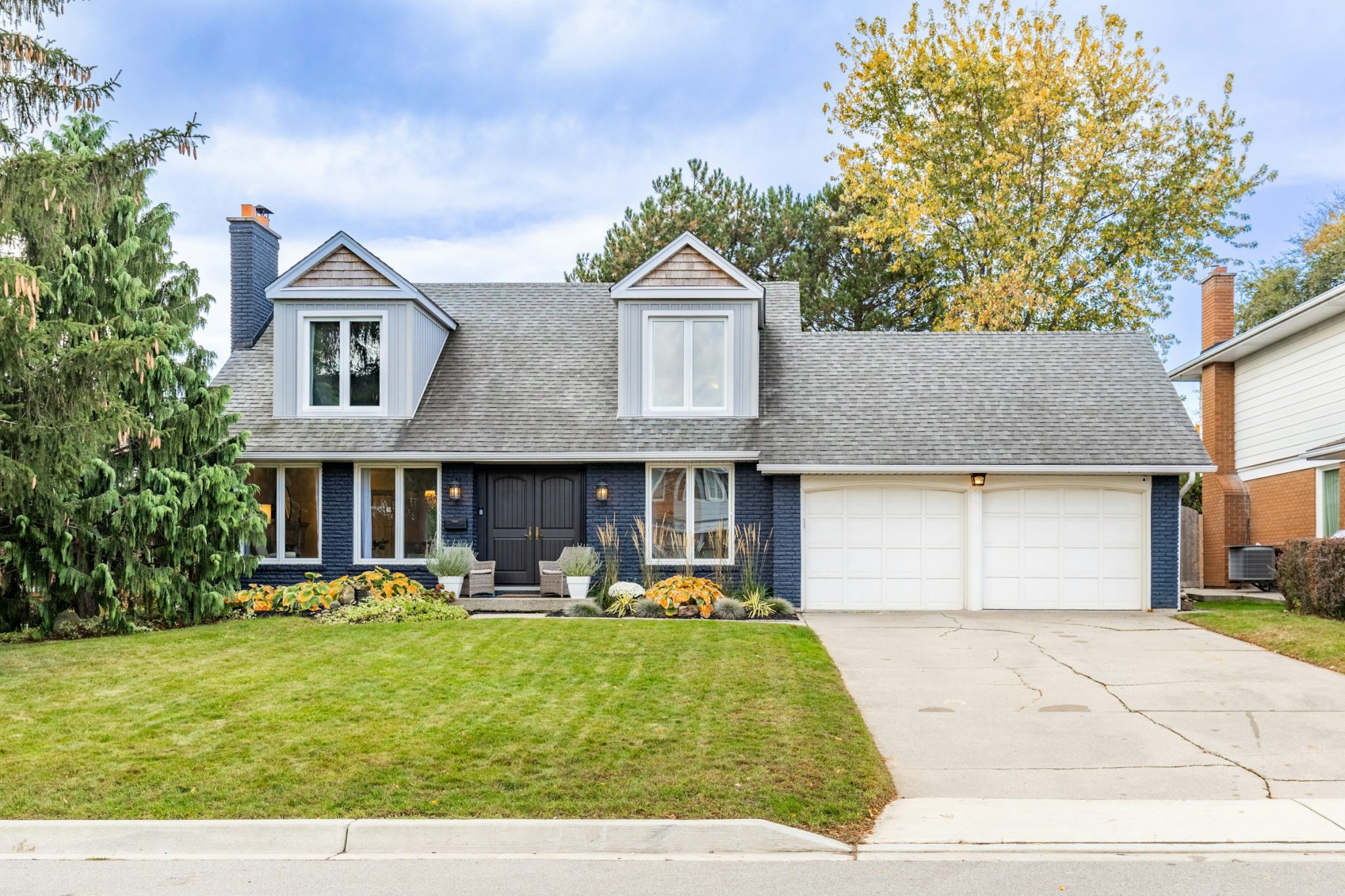
Homeownership is rarely the product of one big break. It is the sum of small, repeated decisions that build on each other over time. The habits below are the ones that pulled our timeline forward. None of them depend on a huge income. They depend on doing the same sensible things again and again until the results stack up.
We Paid Ourselves First
The first shift was the simplest. We stopped leaning on willpower.
Every payday, a set amount slid into a separate savings account before we ever laid eyes on it. What we couldn’t see, we didn’t spend. Automating the transfer removed the daily debate about whether to save, and that debate was the thing that used to sink us.
The account had one job: the down payment. We didn’t raid it for vacations or random emergencies. Over time, the balance grew on its own quiet schedule, and watching it climb became its own kind of motivation. Saving stopped feeling like a sacrifice and started feeling like progress.
We also kept the percentage flexible. When a raise came through, the transfer went up with it rather than disappearing into nicer dinners. That single move meant our savings rate rose alongside our income instead of standing still, and the gains arrived without any extra effort on our part.
We Attacked High-Interest Debt First
Debt was the weight slowing us down. Credit cards and a leftover car loan carried interest rates that quietly drained money we could have been setting aside.
So we went after them in order of cost. The balance with the steepest interest rate got every spare dollar while the rest received minimum payments. Once it was cleared, we rolled that freed-up money into the next one. This is often called the avalanche method, and it saves the most in interest over the long run.
There was a second payoff we didn’t expect. Lenders look closely at your debt-to-income ratio when deciding whether to approve a mortgage. Clearing those balances didn’t just free up cash. It made us look like safer borrowers, which mattered a great deal later.
We Treated Our Credit Score Like an Asset
A credit score is easy to ignore until it costs you money. We learned that the hard way, then made it a priority.
The rules turned out to be straightforward. Pay every bill on time, every month. Keep credit card balances low relative to their limits. Avoid opening new accounts in the months before applying for a mortgage. None of it is complicated, but all of it takes patience.
The reward shows up in the interest rate. A higher score can mean a noticeably lower mortgage rate, and over thirty years, even a fraction of a percent adds up to thousands of dollars. We started thinking of every on-time payment as a small deposit into a future discount.
We Learned How Home Equity Could Work for Us
For us, homeownership wasn’t a single purchase. The first place was a modest starter home, a stepping stone rather than a final destination. Once we had lived there a while and the mortgage balance shrank, we began building equity, which is simply the share of the home we owned outright.
That equity turned into a tool. A home equity line of credit, or HELOC, lets you borrow against the value you have built up, using the home itself as collateral. It works a lot like a credit card. The lender approves you for a maximum amount, and during the draw period you can borrow what you need, repay it, and borrow again. You pay interest only on what you actually use, not on the full limit. According to the Consumer Financial Protection Bureau, most HELOCs carry variable interest rates, so the payment can rise or fall over time.
We used ours carefully to fund renovations that raised the home’s value, which helped us sell for more and move up to our long-term home faster than we otherwise could have. When the numbers clearly made sense, we took the time to compare several lenders before we chose to apply for HELOC financing. A line like this is not free money, though. Because your home is the collateral, falling behind on payments puts the property at risk, so we treated it with the same caution we would give any mortgage.
We Lived Below Our Means on Purpose
Spending less is obvious advice. Living below your means without feeling miserable is the harder skill.
We started by separating wants from needs, then steered our money toward the things we genuinely cared about and trimmed the rest. Cooking at home replaced most restaurant nights. We kept our cars longer instead of chasing newer ones. The point was never to deprive ourselves of everything enjoyable. It was to make sure our spending matched our priorities, and the biggest priority was the house.
The gap between what we earned and what we spent became the engine of our savings. The wider we made that gap, the faster the down payment came together. Small cuts that felt minor on their own added up to a surprising sum by the end of each year.
We Built Income on the Side

Cutting costs has a floor. Income does not.
So we added a few streams alongside our day jobs. Freelance work, a bit of tutoring, and selling things we no longer needed all funneled straight into the house fund. None of it made us wealthy. Together, though, the extra dollars shaved real time off the timeline, and they gave us a cushion that made the whole process feel less fragile.
If you take this route, it helps to understand the basics of borrowing and lending before you commit to anything large. The Federal Trade Commission offers plain-language guides that are worth reading before you sign anything, especially when a loan is tied to your home.
Bringing the Habits Together
No single habit on this list did the heavy lifting. The speed came from running them all at the same time. Automated savings filled the account while debt payoff freed up cash. A strong credit score lowered the cost of borrowing while disciplined spending widened the gap between earning and spending. Each habit quietly made the others work a little harder.
Reaching homeownership faster is less about luck and more about consistency. The choices are small and often unglamorous, but repeated over months and years, they compound into something real and lasting. Start with one habit, let it become automatic, then add the next. Done patiently, these routines turn a far-off goal into a set of keys, and they keep paying off long after the paperwork is signed.