
A road trip with a pet can be one of the best ways to travel. It can also be one of the most expensive, if the planning stops at packing a leash and a bag of kibble. Animals change almost every part of a trip, from where you sleep and eat to how far you can drive in a day.
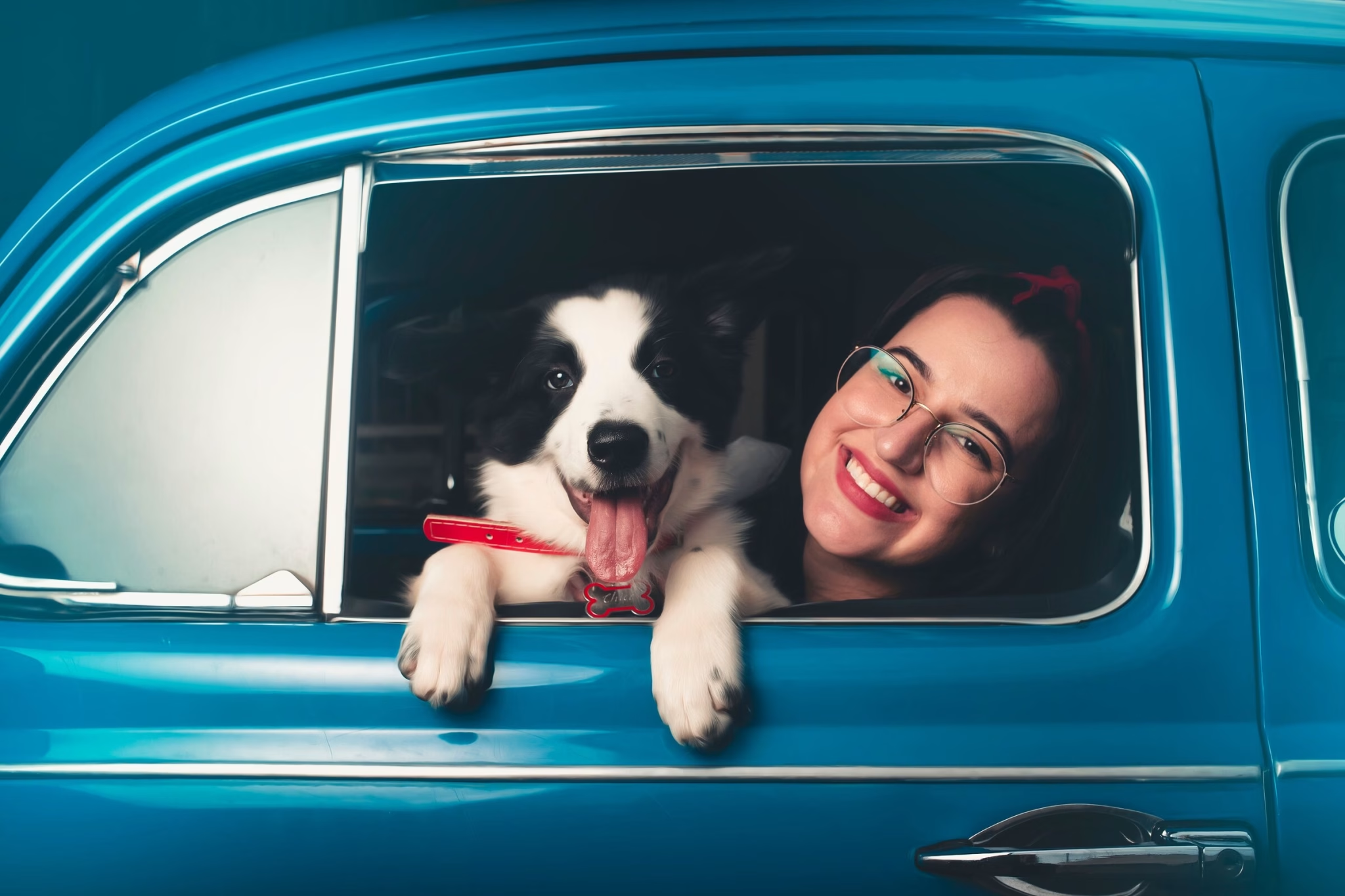
The good news is that most of the stress comes from decisions left until the last minute. When you work through them in order, starting weeks before departure and ending with a plan for the unexpected, the trip gets easier to manage and much easier to afford.
Six Weeks Out: Decide Whether Your Pet Should Come
The first question isn’t where to go. It’s whether your pet will actually enjoy going.
Read Your Pet Honestly
Short drives tell you a lot. A dog who settles in the back seat and naps is a good candidate. A dog who pants, drools or whines the whole way to the grocery store probably isn’t, and a long trip won’t change that. Cats, older pets with stiff joints and animals on tight medication schedules often handle travel poorly. Loving your pet sometimes means leaving them somewhere comfortable.
If Home Is the Better Choice
Boarding and pet sitting both work well when chosen with care. Tour any facility before booking and pay attention to cleanliness, staffing and how relaxed the animals seem. Ask about vaccine requirements early, because some shots need a week or two to take effect. An in-home sitter usually costs more, but for an anxious pet, staying in familiar surroundings can be worth the difference.
If your pet is coming along, the next step is figuring out what the trip will really cost.
Four Weeks Out: Build a Budget That Reflects Reality
Pet travel costs fall into two groups. Some are easy to predict. Others only show up once you’re on the road, and those are the ones that wreck a budget.
The Predictable Expenses
Lodging is usually the biggest. Most pet-friendly hotels charge a fee, either per night or per stay, and many set weight limits or cap the number of animals per room. Call each property instead of relying on a booking site, since policies change and the front desk often knows details the listing leaves out.
Gear is the next line item. A crash-tested harness or secure crate, a spill-proof water bowl, a seat cover and a basic first aid kit are all worth buying. Each one prevents a mess, an injury or a repair bill later. Pack your pet’s usual food, too. Switching brands mid-trip is a reliable way to upset a stomach in a hotel room.
The Expenses People Forget
Time is the cost that catches most travelers off guard. The American Veterinary Medical Association’s pet travel guidance recommends stopping about every two hours so pets can drink, stretch and relieve themselves. Those breaks add up, and a drive you’d normally finish in one day may need two. Book that extra night ahead of time rather than paying a walk-in rate at whatever happens to be open.
Meals cost more as well. You can’t leave a pet alone in a parked car, even for a quick lunch. According to the ASPCA, the inside of a car can pass 110 degrees in less than 30 minutes on an 80-degree day. That rules out a lot of fast stops and pushes you toward patio seating, drive-throughs or packed food.
With a budget in hand, attention can turn to the paperwork and preparation that keep a trip on track.

The Week Before: Prepare for the Things You Can’t Control
Most trips go smoothly. Preparing for the ones that don’t takes very little time and can save a great deal of money and worry.
Gather Records and Check ID
Make copies of your pet’s vaccination records and prescriptions, and keep them somewhere easy to reach. Some campgrounds and parks ask for proof of rabies vaccination, and certain state or international crossings require a health certificate from your vet. Confirm that your pet’s microchip is registered with your current phone number, and add a collar tag with your cell number as a backup.
Map Out Emergency Care
Look up emergency animal hospitals near each overnight stop and save their numbers in your phone. Add the ASPCA Animal Poison Control Center while you’re at it. Pets in new places tend to find new things to eat, and rest areas, parking lots and campsites are full of hazards. The ASPCA’s road trip safety tips offer a helpful checklist for what to pack in your pet’s travel kit.
Knowing where to go in an emergency solves half the problem. The other half is knowing how you’ll pay.
On the Road: When an Emergency Becomes a Bill
Veterinary emergencies are expensive at home. Away from home, they’re often more expensive and harder to handle. You’re likely visiting a clinic you’ve never used, possibly late at night, and many emergency hospitals ask for payment when services are provided. That means making a financial decision under pressure while your pet waits for care.
Why Pet Loans Are Worth Understanding Before You Leave
This is where pet loans can make a real difference. A personal loan used for veterinary costs gives you a way to approve treatment quickly, without draining your savings or stalling while you sort out your options. When a pet has swallowed something toxic or been injured, a fast yes can matter.
The best time to learn how financing works is before you need it. Reading up on how a pet care loan works, including the application process, typical terms and how fast funds can arrive, takes a few minutes at home and spares you that research in a waiting room.
The Benefits Worth Weighing
Pet loans offer a few clear advantages. Payments are usually fixed, so you know exactly how much you owe each month and when the balance will be paid off. That makes them easier to plan around than a credit card with a variable rate. They also protect your emergency fund, leaving it available for a flat tire, a canceled reservation or any other surprise later in the trip. And because the money can cover the full cost of care, you can focus on what your vet recommends rather than what your checking account can absorb that day.
Like any form of borrowing, it pays to compare rates and fees and to borrow only what the treatment requires. Used thoughtfully, a loan turns a sudden, stressful expense into a manageable one.
Final Thoughts
Traveling with a pet goes well when the big decisions are made early. Choosing honestly between travel and boarding, setting a budget that reflects real costs and preparing for emergencies before they happen all work together. Each step makes the next one easier, and together they leave room for the part that matters most: enjoying the road with the animal you brought along.