
A dry shirt for the ride home earns its place in a yacht day bag. Three changes of clothes for a few hours aboard usually don’t. For a crewed day trip, pack around what you’ll actually do: relax on deck, perhaps swim, then head home. Keep personal essentials separate from shared supplies, and check what the yacht provides before adding extras.

Check the Itinerary and What’s Included
Start with two questions: what will you do, and what will already be onboard? A swim stop calls for different supplies than a sightseeing-only cruise.
Before packing for a luxury yacht rental in Miami, confirm whether towels, drinking water, meals or snacks, and activity equipment are supplied. Check the footwear policy, too. If food and drinks are arranged, leave the bulky cooler behind; if you’re bringing your own, agree on storage and serving arrangements first.
Families should share children’s ages and confirm appropriate safety arrangements in advance. Communicate dietary and mobility needs at the same time, giving the crew an opportunity to address them before departure.
Pack Your Personal Essentials
Choose a compact, soft-sided bag you can carry comfortably while boarding. A tote or small duffel gives you room for the essentials without bringing a suitcase aboard.
- Sun protection: Bring sunscreen, UV-protective sunglasses, and a hat that stays secure. Follow the sunscreen label’s application instructions, and pack a sun shirt or other covering for time on deck.
- Comfortable clothing: Wear something easy to move in. Choose a light layer suited to the forecast and return time, particularly for a trip that extends into the evening.
- Practical footwear: Wear secure, grippy shoes for the walk to the dock and boarding, then follow the yacht’s rules once aboard.
- Personal medication: Keep what you need accessible and follow its storage instructions. Discuss motion-sickness concerns with a pharmacist or clinician before the trip so you have time to consider suitable options.
- Phone protection: Start with a charged phone and choose a protective pouch suited to its intended use. Check the manufacturer’s specifications for splash and immersion protection.
- Everyday necessities: Bring any required identification, a payment method, and personal items such as prescription glasses.
If you expect to take plenty of photos, consider a small power bank or charging cable. Confirm the connection if you plan to use onboard charging. Keep charging accessories together so you can find them without searching through loose items.
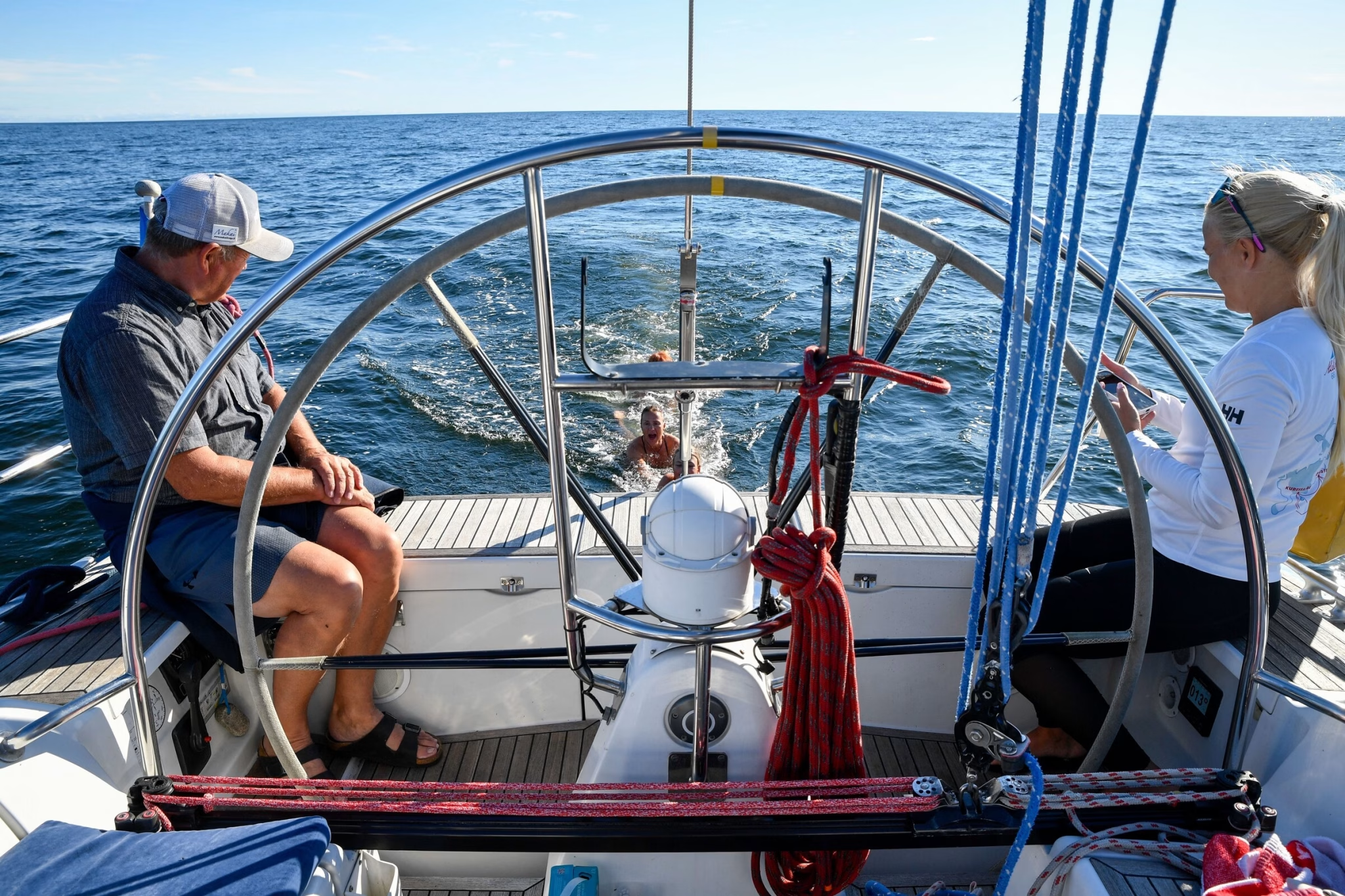
Prepare for Swimming and Separate Wet Items
For a planned swim, set aside swimwear, an easy cover-up, and any towel you need to bring. Wearing your swimsuit under your clothes can simplify changing, but keep a dry outfit available for the trip home. Choose one practical change rather than several alternatives.
Organize the bag into three areas: accessible essentials, protected dry clothing, and a separate pouch for wet items afterward. Close bottles securely and keep them away from electronics.
Leave some space for repacking. A bag stuffed tightly at home becomes awkward when you’re trying to put away a damp towel.
For children, an extra outfit may be more useful than another toy. Bring personal snorkeling equipment or other activity gear only when you have confirmed it suits the outing and adds something beyond the supplied equipment.
Leave Behind What You Won’t Use
Expensive jewelry, oversized luggage, and multiple outfit changes add belongings to keep track of. Specialized navigation equipment and repair supplies belong to vessel preparation, not a passenger’s day-trip checklist.
Coordinate shared extras within your group. Have one person organize shared snacks while accounting for individual dietary needs. Use containers that close securely and fit the available storage.
Large speakers, decorations, floats, and coolers need permission and space. Settle those details before departure rather than arriving at the dock with an unexpected load.
Make a Final Check Before Leaving
Review the forecast and adjust your clothing if needed. Save the boarding location, meeting time, and contact details somewhere easy to access, including offline. Check the specific entrance or dock as well as the marina name.
Then close the bag with personal essentials within reach, bottles secured, and dry clothes protected. Keep the wet-item pouch handy for later. Once aboard, you should be able to reach what you need without emptying the bag across a seat.