
Upgrading your windows is a home improvement decision. If your property is exposed to strong winds, severe storms, or flying debris, the choice can affect more than appearance. Impact windows are designed to help protect glazed openings, but selecting the right system involves understanding its tested performance, frame construction, installation requirements, energy characteristics, and maintenance needs. Reviewing details before requesting estimates can help you compare options, ask better questions, and avoid paying for features that do not suit your home.
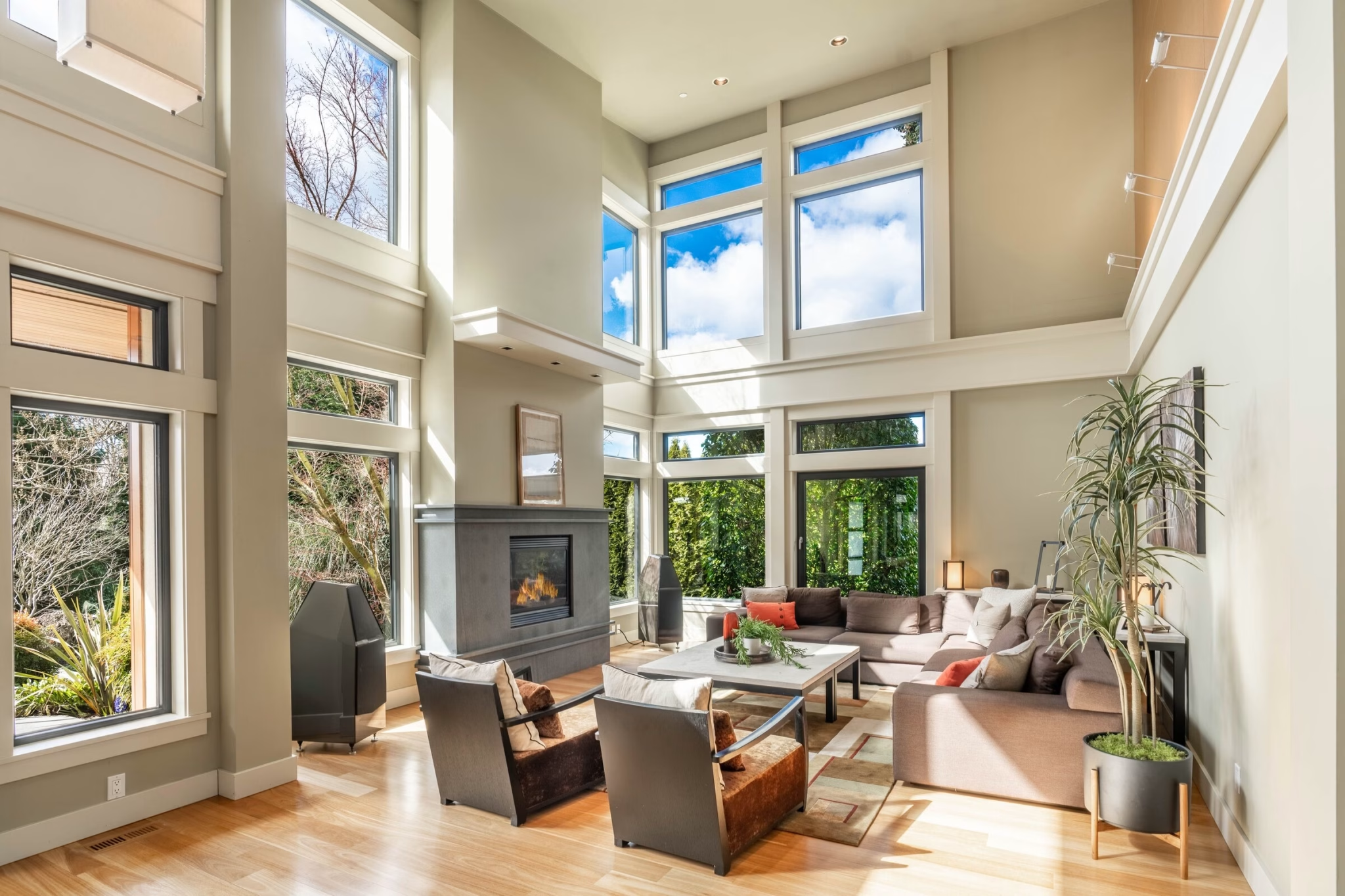
Impact Protection Is Only Part of the Benefit
Many homeowners associate impact windows exclusively with storm protection. These systems commonly use laminated glass, made from layers of glass bonded by a durable interlayer. If the glass cracks after an impact, the interlayer helps hold fragments together and can maintain a barrier across the opening.
That barrier matters because a broken window can allow wind and rain inside, increasing pressure on the building envelope and contributing to further damage. However, impact-resistant glazing is tested as part of an assembly, and no window should be considered indestructible. Performance depends on the glass, frame, hardware, anchoring, and installation working together.
Choose an Experienced Window Provider
Choosing a provider involves more than comparing product brochures. Statewide Impact Windows provides impact window and door solutions for homeowners looking to improve the protection and performance of their properties. Ask the company for details about the specific products, approvals, installation process, and warranty coverage included in your proposal. For more information, visit statewideimpactwindows.com.
Understand Ratings Before Comparing Products
Appearance and price are easy to compare, but technical documentation tells you whether a product is suitable. Ask for applicable product approvals, design pressure ratings, impact-test information, and installation instructions. Make sure the quoted model, dimensions, glass configuration, and frame match the tested assembly.
Design pressure ratings indicate the wind loads a window is designed to withstand. The required rating can vary according to building height, opening size, exposure, and the opening’s location.
Ask whether the product has been tested for your property’s conditions and whether limitations apply. A general impact-rated claim is not enough; confirm that the exact configuration meets the requirements that apply to your project.
Glass, Frames, and Hardware Must Work Together
Laminated glass is a defining feature of many impact windows, but the complete glass package matters. Ask about glass thickness, interlayer, and additional features. Low-emissivity coatings can help manage heat transfer, while different tints affect glare and natural light.
Aluminum, vinyl, and composite frames differ in strength, thermal performance, appearance, upkeep, and resistance to environmental exposure.
Check locks, hinges, rollers, and operating mechanisms. Try display units and consider whether each style suits the room, ventilation needs, and accessibility requirements.

Installation Quality Is Just as Important as the Product
Even a high-performing window can fall short if installed incorrectly. Opening preparation, anchoring, fastener type and spacing, shimming, sealant compatibility, and perimeter waterproofing all influence the result. Installation should follow the product’s approved instructions and account for the condition of the opening.
Replacing older windows can reveal hidden problems, including deteriorated wood, damaged masonry, failed flashing, or openings that are no longer square. Ask how unexpected conditions will be documented, priced, and approved before additional work begins.
Permits and inspections may be required, depending on local rules and project scope. Clarify who handles applications, inspections, and copies of approvals. FEMA’s guidance on impact-resistant glazing explains how tested glazing systems can help protect openings from windborne debris. Your contractor should still confirm the requirements that apply to your property.
Match the Windows to Your Home and Daily Routine
Not every impact window package suits every property. Consider exposure to wind, direct sunlight, noise, and moisture. A room facing strong afternoon sun may benefit from a different glass configuration than a shaded room. A home beside a busy road may place greater value on acoustic performance.
Think about each room’s needs for privacy, noise control, natural light, ventilation, and access.
View completed installations to assess frame proportions, sightlines, reflectivity, and how windows complement exterior finishes.
Consider Energy Performance and Long-Term Costs
Impact windows can cost more upfront than standard replacements, so consider the full cost of ownership. Depending on existing windows, glass selection, climate, and installation, an upgrade may improve comfort and reduce unwanted heat transfer.
The U.S. Department of Energy’s guide to energy-efficient windows explains measures such as U-factor and solar heat gain coefficient. These ratings help compare insulation and solar heat control.
Request an itemized proposal identifying the manufacturer, product series, glass package, frame material, labor, permits, removal, disposal, and finishing work. Ask what is excluded, how hidden damage will be priced, and whether cleanup is included. Compare warranties for glass, frames, hardware, finishes, and labor separately.
Ask Better Questions Before Signing
A reliable consultation should leave you with clear answers. Ask who takes final measurements, supervises installation, handles permits, and responds if an inspection identifies a problem. Confirm whether installers are employees or subcontractors, the expected schedule, and how delays will be communicated.
Request references, review the warranty, and confirm how service requests are handled. Avoid pressure to sign or promises that are not supported in writing.
The best choice is not automatically the most expensive product or the one with the longest list of features. It is the system that meets your home’s requirements, is installed according to its documentation, and fits your budget.
Impact windows can contribute to a more resilient, comfortable home, but their value depends on careful selection and workmanship. Compare specifications, verify approvals, understand the installation plan, and review the complete cost. A thoughtful upgrade should provide dependable performance while still looking and working the way you want every day.