
A successful outdoor living room needs the same practical thinking as an indoor space, with extra protection against rain, sun, wind, and changing temperatures. Plan around how you’ll use the area across the seasons, then choose the structure, surfaces, and furnishings that can cope with those conditions. Thoughtful preparation ensures your patio remains inviting regardless of the weather when you build a versatile backyard for entertaining family and friends.
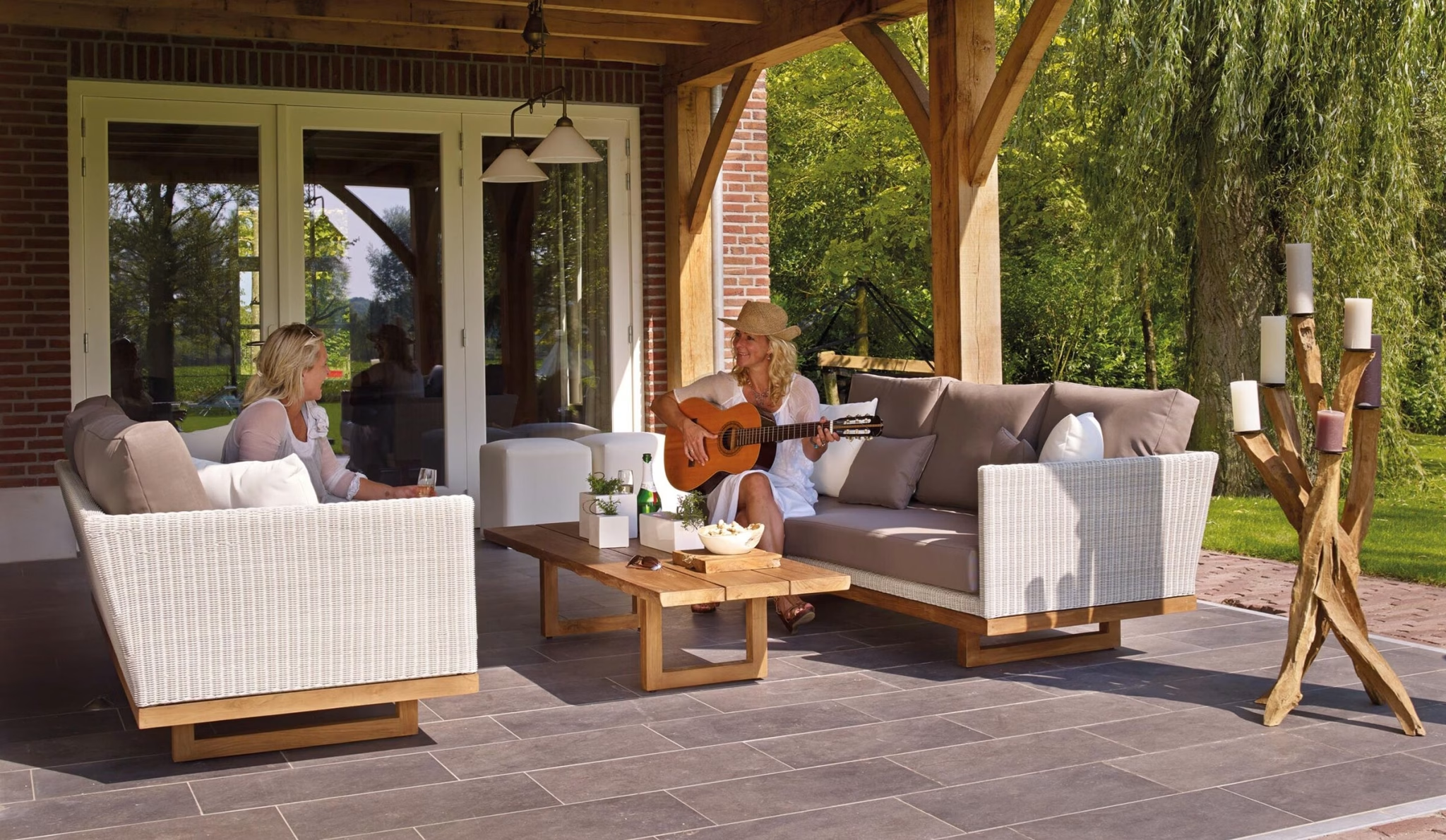
Before buying furniture, measure the available space and note where sunlight, shade, and prevailing winds fall at different times of day. Check where rainwater collects too. These observations will help you position each feature sensibly and avoid costly changes once construction has started.
Defining Functional Zones
Start by listing the activities you want the outdoor room to support. Everyday uses might include eating, reading, entertaining friends, and working from home. Once you know what matters most, divide the space into clear zones while keeping enough room to move comfortably between them.
An outdoor sofa and two chairs can form a conversation area, while a dining table positioned closer to the house makes serving meals easier. If space is tight, use flexible pieces such as an extendable table, nesting side tables, or benches with storage. Guidance on creating a multi-functional outdoor area can help you decide which uses should share space.
Mark potential furniture positions with masking tape or garden twine before ordering anything. Allow roughly 75 to 90 cm for main walkways and enough clearance to pull dining chairs out without blocking a door. Large furniture pushed into a small patio can make the whole area frustrating to use.
You can separate zones without building walls. An outdoor rug defines seating, planters soften the edge of a dining space, and a change in paving direction creates a subtle visual boundary. Keep sightlines open between the house and garden so the outdoor room feels connected to both. If children or pets use the garden, preserve a direct route from the door to the lawn.
Selecting Durable Materials
Outdoor materials must tolerate moisture, temperature changes, and regular exposure to sunlight. Look beyond a product’s appearance and check how much cleaning, sealing, or winter storage it requires.
Powder-coated aluminium furniture is light, rust-resistant, and easy to move. Teak can perform well outdoors, although its color changes unless it receives regular care. Stainless steel fixings are a practical choice for exposed areas because low-quality fittings may corrode long before the furniture frame wears out.
For flooring, porcelain paving absorbs little water and comes in finishes that resemble wood or natural stone. Choose an exterior product with a textured, slip-resistant surface. Natural stone offers character but may need sealing, while composite decking usually requires less routine treatment than timber. Any raised deck should have proper drainage and ventilation below it.
Fabric matters just as much as the frame. Choose removable cushion covers made for outdoor use and check the manufacturer’s care instructions. Store cushions in a dry, ventilated box during prolonged wet weather, even when they’re described as water-resistant.
The design principles in this guide to stylish outdoor living are useful when balancing hard-wearing materials with a polished finish. Order samples where possible and view them outside. Colors can look noticeably different in full daylight than they do on a showroom screen.

Budgeting for Covered Structures
A permanent or adjustable cover can extend the months in which you use the space. Pergolas, louvred roofs and roofed verandas each provide different levels of shelter, so choose according to your climate, garden orientation, and expectations.
Set a full project budget before requesting quotes. Include the structure, foundations, labor, drainage, electrical work, and any planning or building checks that may apply. Allow a contingency of around 10 to 15 percent for site issues such as uneven ground or hidden drainage pipes. A current pergola cost guide can provide a useful starting point for UK homeowners comparing likely installation expenses.
Ask installers to specify exactly what their quote includes. Confirm the materials, roof system, finish, groundwork, and waste removal in writing. For an electrical supply or heavy structure, use qualified tradespeople and check that the design is suitable for local wind and snow conditions.
Think carefully about the cover’s position. A solid roof next to a window may reduce natural light inside the house, while an open pergola offers limited rain protection. Adjustable louvres give more control but usually increase both purchase and maintenance costs. Ideas for a year-round outdoor space can help you compare shelter options before committing to one.
Plan the structure early, even if it will be installed in a later phase. This prevents furniture, paving, or planting from obstructing future posts and foundations.
Lighting and Climate Control
Use several types of lighting so the outdoor room remains practical after sunset. Bright overhead illumination alone can feel harsh and may leave deep shadows around steps or pathways.
Begin with task lighting near cooking and dining areas. Add low-level lights beside changes in height, doors, and main routes through the garden. Wall fittings, rechargeable table lamps, and discreet lights beneath benches can then provide a softer layer for relaxed evenings. Choose exterior-rated fittings with an appropriate IP rating for their location and ask a qualified electrician to install any fixed mains-powered system.
Control glare by directing fittings downwards and keeping brightness modest. Warm white bulbs, usually around 2700K, create a relaxed appearance close to indoor living-room light. Put separate lighting groups on individual switches or controls so you don’t have to illuminate the entire garden every time you step outside.
For cooler weather, an overhead electric patio heater can provide focused warmth in a covered seating area. Follow the manufacturer’s clearance instructions and avoid placing heaters close to fabrics or plants. Blankets and seat pads also make a noticeable difference without raising energy use.
In summer, shade and airflow should take priority. Retractable screens can reduce low afternoon sun, while an outdoor-rated ceiling fan may suit a substantial covered structure. Position freestanding screens carefully so they don’t become unstable in strong winds, and include secure storage for anything that needs to be moved during poor weather.
Finishing Touches for Comfort
Comfort comes from details that make the patio feel easy to use on an ordinary day. Select cushions with supportive fillings, provide a side table within reach of each seat, and keep a place nearby for storing throws, covers, and small accessories.
Use color and texture to connect the outdoor room with the interior. Repeating one or two tones from the adjoining room creates a natural visual flow through open doors. This doesn’t require matching every item. A muted green cushion, a textured neutral rug, and planters in a shared material can be enough. Examples of outdoor rooms as interiors show how lighting, textiles, and furniture placement can make an exterior area feel settled without filling it with fragile indoor pieces.
Plants can provide privacy, shade, and seasonal interest. Place taller containers where screening is needed, then use compact pots near seating so leaves don’t crowd walkways. Check mature plant sizes before planting and choose species suited to the amount of sun and wind the position receives. Containers also need drainage holes and frost-resistant materials where winters are cold.
Keep maintenance manageable. A large waterproof storage box, washable cushion covers, and easy access to an outdoor socket can save time throughout the year. Schedule a quick inspection each spring and autumn to tighten fixings, clear drainage channels, and clean lighting covers.
Finally, test the finished layout on a typical cool evening, not only on a bright summer afternoon. If every seat has a nearby surface, the route to the house stays clear, and the lighting reaches each step, the room is ready for regular use across the seasons.