Many homeowners in Pittsburgh face the same challenge: they love the charm of their older home, but they also want the comfort and convenience that come with modern living. Historic neighborhoods throughout the city are filled with houses that feature original woodwork, detailed trim, solid craftsmanship, and layouts that reflect a different era. The problem arises when aging features begin to feel impractical for today’s lifestyle.
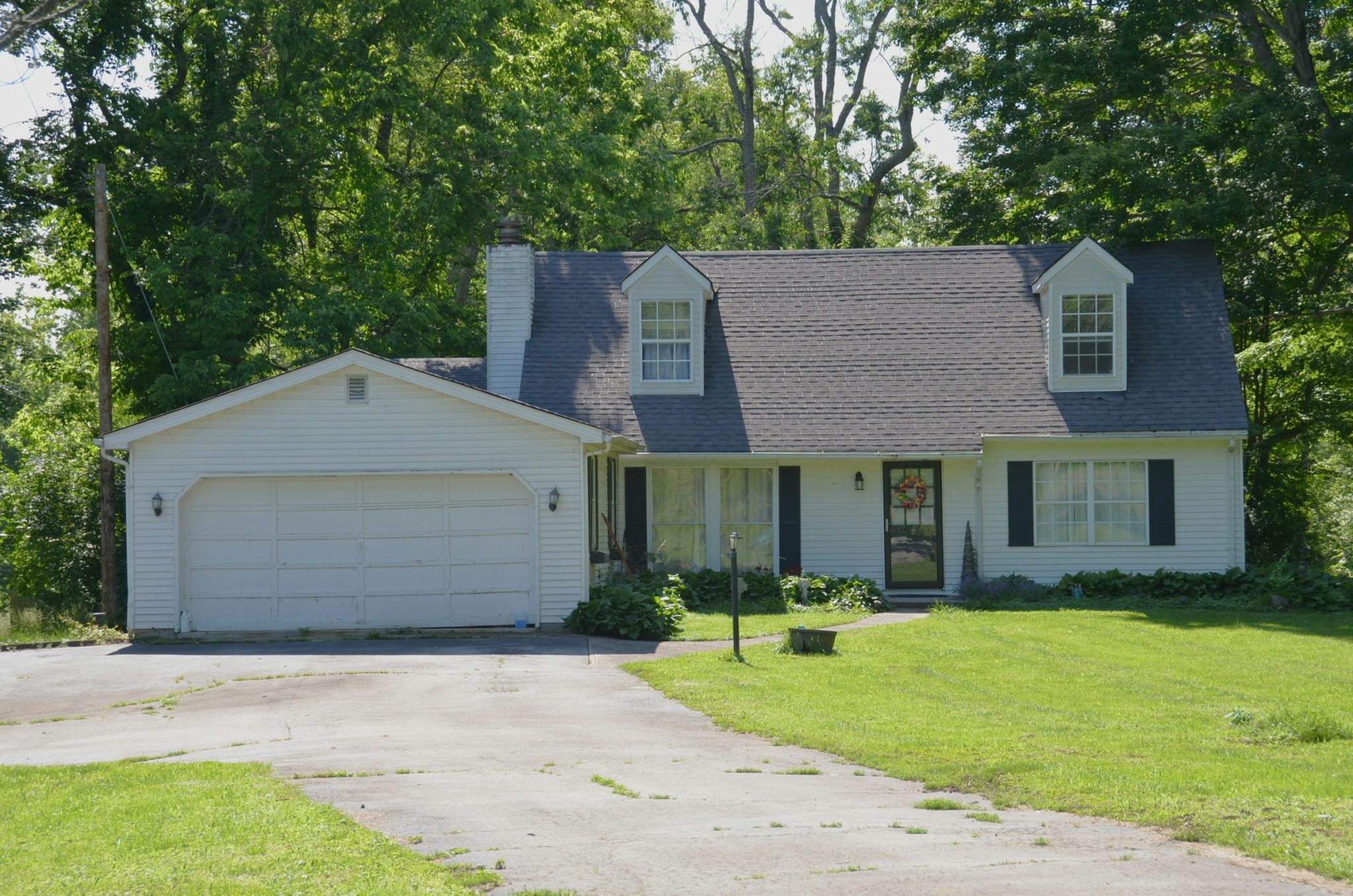
The good news is that modernizing an older home does not require stripping away everything that makes it special. Thoughtful updates can improve comfort, efficiency, storage, and functionality while preserving the details that give a home its identity. The key is knowing which elements deserve protection and which areas can benefit from carefully planned improvements. With the right approach, an older home can feel current, comfortable, and true to its roots at the same time.
Give the Kitchen a Thoughtful Update
The kitchen often becomes the center of modernization efforts because it plays such an important role in daily life. The challenge is creating a space that functions well today without making it feel disconnected from the rest of the home. A successful kitchen update respects the home’s existing character while addressing practical needs.
Look for opportunities to improve storage, workflow, lighting, and organization before making major design decisions. Cabinet updates can have a significant impact without requiring a complete renovation. In Pittsburgh cabinet refacing is a popular option for homeowners who want to refresh the appearance of their kitchen while keeping existing cabinet structures in place. This approach can help preserve the home’s overall feel while delivering a cleaner, more updated look.
When selecting finishes, hardware, and materials, choose options that complement the home’s age rather than compete with it. A kitchen should feel like it belongs to the house, even after modernization.
Make Darker Spaces Feel Brighter
Lighting has a remarkable ability to change how an older home feels. Many historic houses were designed before modern lighting standards became common, which often leaves rooms feeling darker than homeowners would prefer. Fortunately, improving lighting does not require major structural changes.
Start by evaluating how natural light moves through the home during the day. Heavy window treatments, outdated fixtures, and poor bulb choices can make rooms appear smaller and less inviting. Layering different light sources creates a more balanced environment. Ceiling fixtures, wall sconces, table lamps, and under-cabinet lighting can work together to improve visibility and comfort.
Choose fixtures that complement the home’s age instead of following short-term trends. Simple designs with timeless finishes often blend well with older architecture. Thoughtful lighting updates help a home feel more current while maintaining the character that attracted homeowners in the first place.
Preserve Original Woodwork Whenever Possible
One of the biggest mistakes homeowners make during renovations is removing original woodwork without considering its value. Older homes often contain craftsmanship that would be difficult and costly to reproduce today. Window casings, baseboards, crown molding, stair details, and built-in features contribute significantly to a home’s identity.
In many cases, woodwork that appears worn simply needs cleaning, repairs, or refinishing. Professional restoration can bring decades-old details back to life while preserving their original appearance. Even small improvements can dramatically improve the look of a room.
If damage makes replacement necessary, try to match the existing profiles and materials as closely as possible. Consistency helps maintain the home’s visual character. Preserving original woodwork also creates a stronger connection between old and new elements, allowing modern updates to feel intentional rather than disconnected.
Restore Floors Before Replacing Them
Original hardwood floors can add real warmth to an older home, so replacement should not be the first move. Many floors that look tired can improve with sanding, staining, and sealing. Before making a decision, check the thickness of the boards, the condition of damaged areas, and whether previous refinishing has left enough material to work with. A flooring professional can usually tell you if restoration makes sense. If some boards need replacement, try to match the wood species, width, and grain as closely as possible. For rooms where new flooring makes more sense, choose materials that connect visually with the rest of the house. Sudden changes in color or texture can make updates feel poorly planned.
Refresh Bathrooms With Care
Bathrooms in older homes often have tight layouts, limited storage, and aging fixtures. A smart update starts with the basics: ventilation, plumbing condition, lighting, and safe surfaces. Good ventilation matters because moisture can damage walls, trim, and flooring over time. If vintage tile, a cast-iron tub, or original details remain in good condition, consider keeping them. These features can give the bathroom a character that new materials often lack. Add storage through recessed medicine cabinets, narrow shelving, or a vanity that fits the room properly. Choose fixtures with clean lines and finishes that feel timeless. A bathroom can feel fresh and useful without looking disconnected from the rest of the home.
Use Color to Connect Old and New

Paint can modernize an older home quickly, but color choices need some care. Start by looking at the fixed elements in each room, such as floors, trim, fireplaces, tile, and cabinetry. These features should guide the palette. Warm whites, soft neutrals, muted greens, deep blues, and earthy tones often work well in older homes because they pair naturally with wood and traditional details. Bright trend colors can work in small doses, but they may feel dated sooner. Keep trim colors consistent in connected spaces to create a smoother flow. If the home has original stained woodwork, avoid painting it without thinking through the long-term effect. Color should support the home’s character, not cover it up.
Modernizing an older home works best when each update has a clear purpose. Start with the features that make the house special, then improve the areas that affect daily comfort, storage, safety, and function. Original floors, woodwork, doors, fixtures, and room shapes often deserve more attention than they get during a remodel. When homeowners preserve the right details and update the right systems, the result feels natural. The home becomes easier to live in while keeping the personality that made it worth saving. Good remodeling does not chase every trend. It respects the house, solves practical problems, and creates a space that feels comfortable for today’s lifestyle.