
Design-conscious homeowners are preserving bespoke furniture and oversized art collections off-site during renovations to keep living spaces uncluttered. Careful planning shields valuable pieces from fine construction dust and accidental damage while keeping daily routines calm.

Living through a multi-stage home renovation tests your patience and threatens your favorite interiors. When contractors tear down walls or refinish hardwood floors, fine plaster dust settles everywhere, and heavy equipment puts bespoke furniture and oversized artwork at constant risk. Trying to shift a sculptural sofa or a delicate canvas from room to room rarely works when construction zones expand across your floor plan.
Moving your prized pieces off-site before the first hammer swings solves both problems at once. You protect irreplaceable investments from structural hazards while keeping your remaining living areas open, functional, and serene throughout the build.
Why should you move statement pieces before demolition begins?
Leaving high-value items inside an active work zone exposes them to subtle, cumulative damage. Even when crews hang plastic sheeting, airborne grit penetrates upholstery weaves and scratches delicate lacquer finishes. Vibration from power tools can loosen antique joinery, while fluctuating indoor temperatures caused by open exterior walls warp solid wood frames.
Guidance from Harvard Library Preservation emphasizes assessing the safety and practicality of relocating collections out of active construction areas early in your project timeline. Moving items out before demolition starts eliminates the stress of last-minute scrambling when schedules shift.
How Does Accessible Storage Simplify Furniture Relocation?
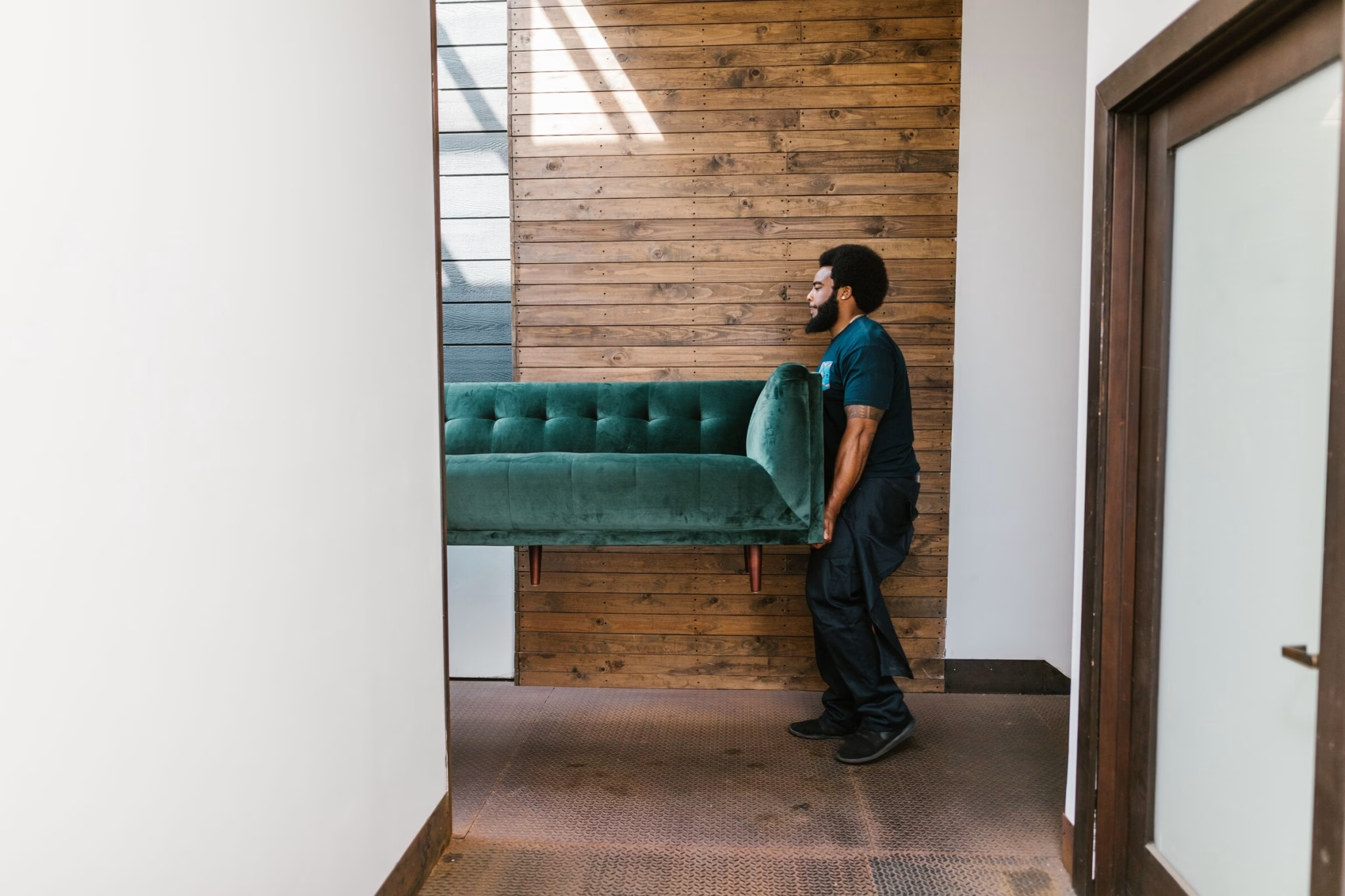
Convenient dockside logistics make this transition seamless for both homeowners and interior designers coordinating large deliveries. Booking Duncrue Street storage units or similar options elsewhere gives you direct vehicle access for wide van tailgates, cutting down the time movers spend carrying bulky silhouettes through narrow hallways. Less handling means a much lower chance of bumped corners or torn fabrics.
Choosing a storage facility with convenient loading areas and flexible access hours helps keep your renovation schedule organized. Ground-level units and wide entryways make it easier to transport oversized furniture, delicate antiques, and valuable decorative pieces without unnecessary lifting. Planning your storage layout also ensures frequently needed items remain accessible while protecting sensitive furnishings from accidental damage throughout the renovation process.
How do you prep designer furniture and framed art for storage?
Proper preparation stops moisture, friction, and pressure from harming your collection while it sits in temporary storage. Treat every item with the same care a gallery curator uses before an exhibition move.
- Choose breathable coverings: Wrap wooden tables and upholstered chairs in heavy cotton canvas drop cloths or quilted moving pads instead of sealed plastic, which traps condensation against delicate surfaces.
- Protect canvas faces: Tape rigid cardboard corners onto framed paintings and place acid-free glassine paper over the front to stop abrasive contact without sticking to oil or acrylic paint.
- Elevate heavy bases: Place wooden pallets or thick foam blocks beneath sofa legs and credenzas so your furniture never rests directly on a concrete floor.
- Document existing condition: Take clear, well-lit photographs of every piece from multiple angles before wrapping so you have a visual baseline for insurance and reinstallation.
Packing fragile hardware and lighting
Remove glass tabletops, brass finials, and dangling pendant shades before loading your moving van. Pack these loose components in rigid, foam-lined crates and label every box with the exact room where the fixture belongs. Keep screws, bolts, and custom mounting brackets inside sealed bags taped directly to the underside of the main furniture frame so nothing vanishes during a 6-month remodel.
How can seasonal rotation keep your living space uncluttered?
Multi-stage renovations often squeeze your household into half your usual square footage. Living surrounded by stacked boxes and crowded hallways raises daily stress and makes it harder for contractors to move freely through your home.
Rotating seasonal furnishings out of the house restores breathing room to your temporary living quarters. Store heavy winter wool rugs, extra dining leaves, outdoor patio sets, and bulky guest-room armchairs off-site until the final coat of paint dries. Keeping only the pieces you need for the current season lets your home retain its minimalist calm, even while builders work behind closed doors in the next wing.
Coordinating phased room reinstallations
As contractors finish 1 zone at a time, you can retrieve your items in matching waves. Bringing back bedroom furniture first lets you establish a quiet sanctuary away from ongoing kitchen work. Staggering your move-in dates prevents newly finished rooms from becoming staging areas for unopened boxes.
What security and environmental features protect fine interiors?
Choosing a storage facility requires looking beyond basic square footage. High-end furniture and original artwork need a clean, dry environment that mirrors the stability of a well-maintained home. Damp air causes canvas to slacken and solid timber to swell, while sudden temperature drops crack delicate veneers.
Look for buildings with modern damp-proofing, spotless loading bays, and individual unit alarms backed by continuous 24-hour CCTV monitoring. Guidance from the Environmental Protection Agency notes that sealing off work areas helps contain hazardous dust and debris, and placing your belongings in an off-site, sealed unit provides the ultimate barrier against airborne particles. Knowing your pieces sit behind heavy steel doors in a dry, monitored space lets you focus on design decisions rather than worrying about site security.
Integrating off-site storage into your renovation schedule protects your bespoke furniture and oversized art while keeping your daily living space functional and calm. Take time to inventory your collection, wrap delicate finishes in breathable materials, and choose a secure, dry facility before construction begins. When the dust finally settles and the contractors pack up their tools, your favorite pieces will return to your newly finished rooms in pristine condition.