
Renovating a swimming pool involves several important considerations, including structural condition, equipment performance, safety features and long-term maintenance. Over time, swimming pools may develop worn surfaces, damaged tiles, inefficient filtration systems or outdated features that affect their functionality. Addressing these issues during renovation can help homeowners maintain a safer and more efficient swimming environment.
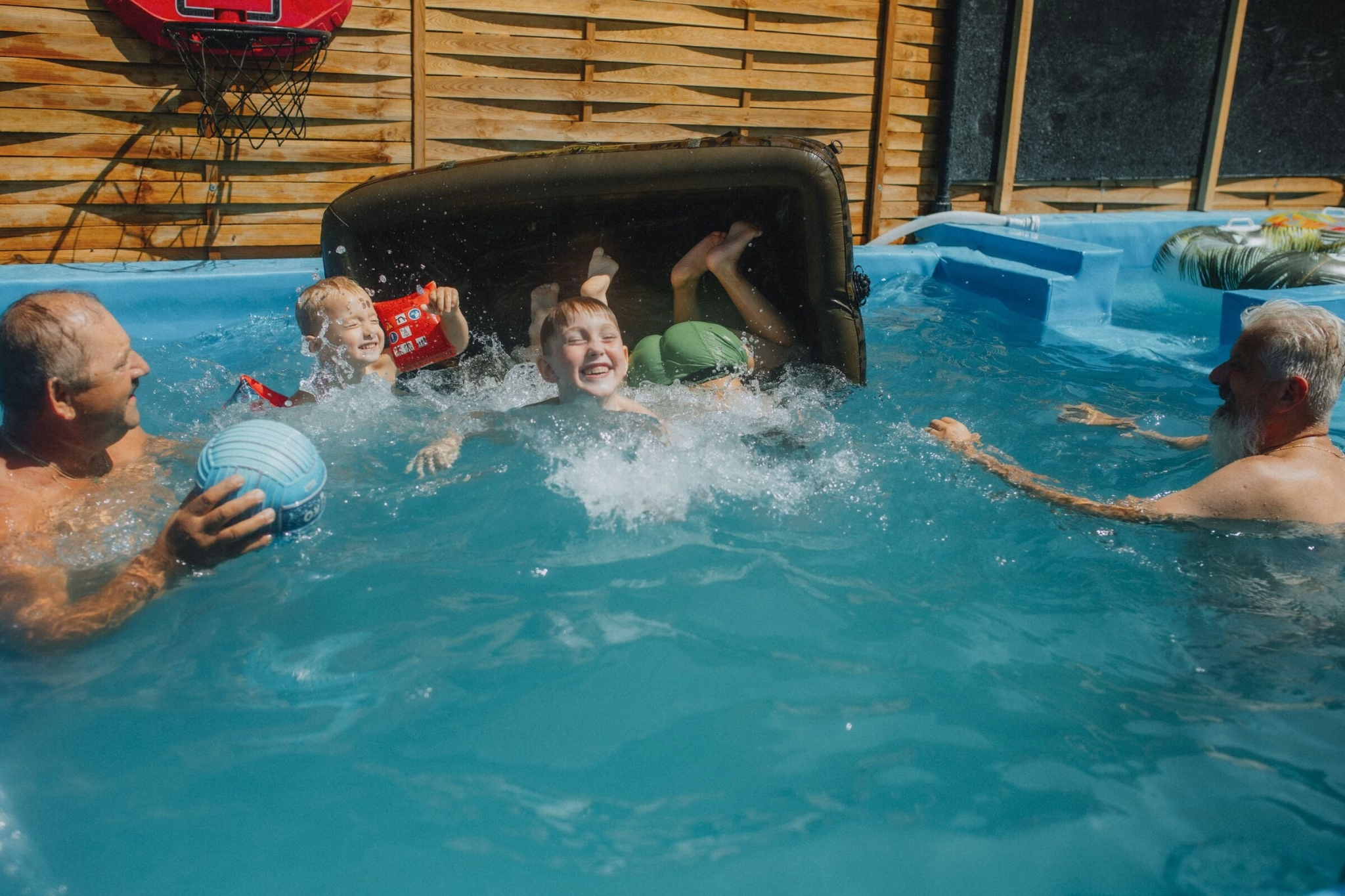
Hiring an experienced pool builder in Albury can help homeowners identify necessary improvements and plan renovation work effectively. Whether upgrading equipment, repairing damaged surfaces or improving accessibility, professional guidance plays an important role in achieving practical results.
How Do Pool Builders Improve Swimming Pool Safety During Renovation?
Professional pool builders assess existing conditions and recommend improvements that address potential hazards. Several pool renovation upgrades can make swimming pools safer for everyday use.
Repairing Damaged Pool Surfaces
Cracked tiles, deteriorating coatings and rough pool surfaces can create safety concerns for swimmers. Damaged areas may cause cuts, scratches or discomfort when entering and leaving the water.
During renovation, pool builders can inspect the surface and recommend suitable repairs, such as resurfacing, repainting or replacing damaged tiles.
Restoring deteriorated surfaces helps create a smoother swimming environment while improving the pool’s overall appearance.
Improving Pool Surrounds and Slip Resistance
Wet surfaces around swimming pools can become slippery, particularly when existing paving or finishes have deteriorated.
Pool builders can assess the surrounding area and recommend suitable slip-resistant materials for renovation projects.
Potential improvements include:
- Slip-resistant paving: Choosing appropriate paving materials can reduce slipping risks around wet areas.
- Damaged coping replacement: Repairing loose or broken pool edges can improve safety around the pool perimeter.
- Improved drainage: Managing water accumulation can help prevent slippery conditions around pool surrounds.
- Level surface transitions: Addressing uneven surfaces can reduce potential tripping hazards.
These improvements can make the pool area safer and more comfortable for regular use.
Upgrading Pool Barriers and Access Points
Pool barriers, gates and access points are essential safety considerations, particularly for households with young children.
During renovation, pool builders can identify visible concerns with existing barriers and recommend further assessment or upgrades where necessary.
Homeowners should ensure pool fences, gates and barriers comply with applicable local and state safety requirements.
Improvements may include repairing damaged gates, replacing unsuitable barriers or reviewing pool access arrangements to reduce potential hazards.
Addressing Structural Damage and Water Leaks
Structural cracks, water leaks and deteriorating pool walls can affect the condition of an existing swimming pool.
Professional builders can assess visible damage and arrange further investigation when structural concerns are identified.
Depending on the findings, renovation work may involve repairing cracks, addressing waterproofing problems or restoring affected surfaces.
Resolving underlying problems before installing new finishes can help prevent recurring damage and support the pool’s long-term condition.
How Can Pool Builders Improve Pool Efficiency During Renovation?
Alongside safety improvements, pool renovation provides an opportunity to upgrade equipment and reduce unnecessary maintenance.
Upgrading Pool Pumps and Filtration Systems
Older pumps and filtration systems may consume unnecessary electricity or struggle to maintain effective water circulation.
During renovation, pool builders can assess existing equipment and recommend suitable upgrades based on pool size, usage and system requirements.
For example, a properly sized variable-speed pump may use less electricity than an older single-speed model when operated at suitable speeds.
Modern filtration equipment can also support consistent water quality when correctly installed and maintained.
Improving Water Circulation
Poor water circulation can contribute to uneven chemical distribution, debris accumulation and areas where water movement is limited.
Pool builders can review the existing circulation system and identify possible improvements.
Depending on the pool’s design, these may involve adjusting return jets, checking pipework or upgrading circulation equipment.
Effective circulation helps distribute sanitising chemicals throughout the pool and supports efficient filtration.
Installing Energy-Efficient Pool Features
Renovation projects can provide an opportunity to replace outdated equipment with more energy-efficient alternatives.
Common improvements include:
- LED pool lighting: Uses less electricity than many traditional pool lighting systems.
- Energy-efficient pumps: Can reduce electricity consumption when appropriately selected and operated.
- Modern heating systems: May provide improved heating efficiency depending on the technology and installation.
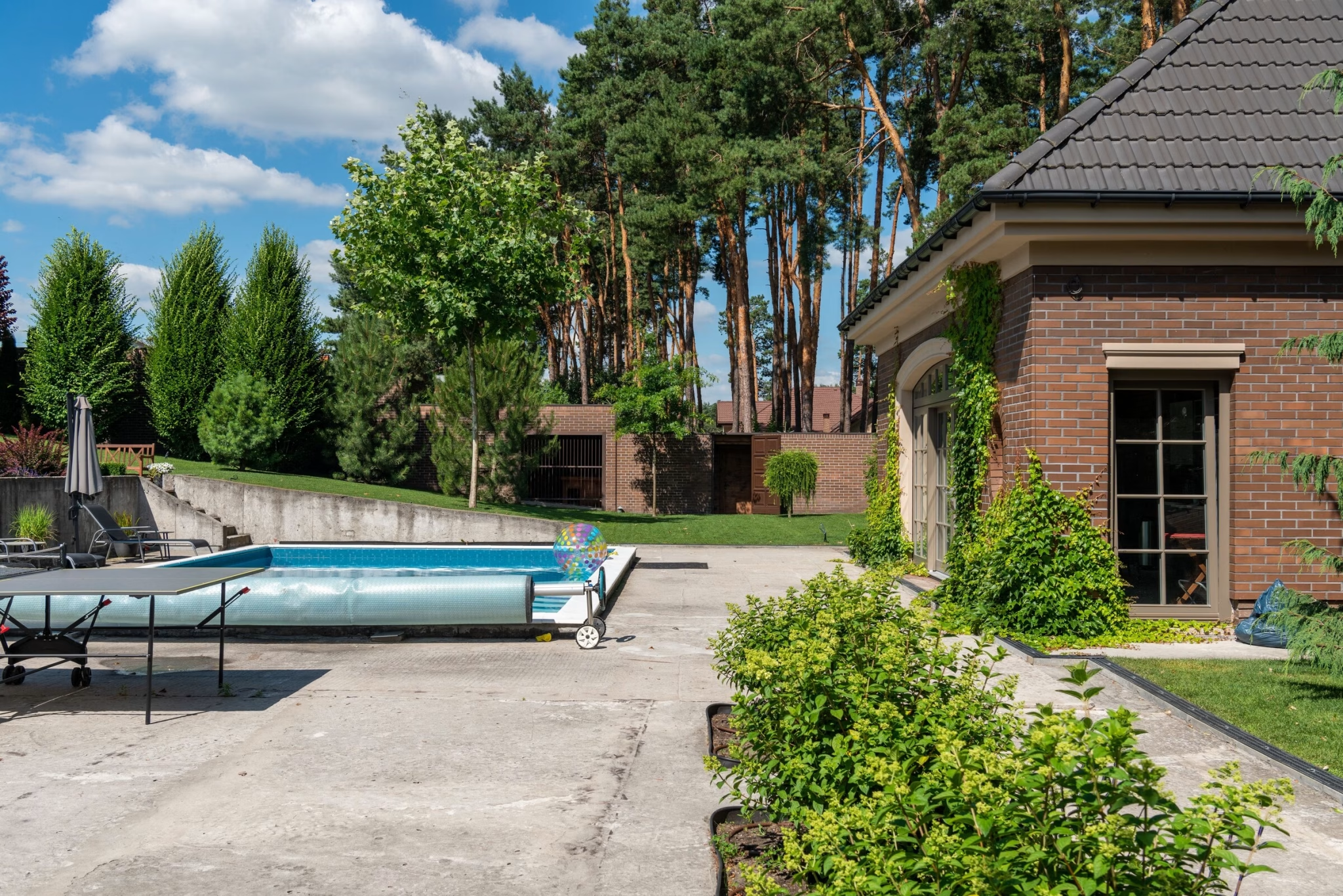
- Pool covers: Help reduce evaporation and heat loss, potentially lowering heating and water replacement requirements.
Selecting suitable upgrades can help homeowners manage ongoing operating expenses while maintaining pool functionality.
Reducing Ongoing Maintenance Requirements
Damaged surfaces, ageing equipment and poorly functioning filtration systems can increase the time required for swimming pool maintenance.
During renovation, pool builders can recommend materials and equipment designed for durability and easier upkeep.
For example, restoring damaged surfaces can make cleaning easier, while upgrading filtration equipment may improve debris removal.
These improvements can help simplify routine maintenance, although regular cleaning, water testing and equipment servicing remain essential.
What Should Homeowners Consider Before Choosing Renovation Upgrades?
Not every swimming pool requires the same safety or efficiency improvements. The most suitable upgrades depend on the pool’s existing condition, construction materials and usage requirements.
Before beginning renovation, homeowners should consider:
- Existing pool condition: Identify structural damage, worn finishes and equipment problems requiring attention.
- Renovation priorities: Determine whether safety repairs, energy efficiency or appearance improvements are most important.
- Available budget: Compare essential repairs with optional upgrades to manage overall expenses.
- Material suitability: Select renovation materials compatible with the existing pool structure.
- Professional requirements: Confirm whether licensed trades, permits or compliance inspections are necessary.
Discussing these factors with experienced pool builders can help establish a practical renovation plan and avoid unnecessary changes.
Final Thoughts
Swimming pool renovation offers an opportunity to address existing safety concerns while improving equipment performance and operational efficiency. Repairing damaged surfaces, improving slip resistance, assessing pool barriers and upgrading filtration systems can all contribute to a safer and better-functioning swimming pool.
Professional pool builders can assess the existing structure, identify suitable improvements and coordinate renovation work according to project requirements. With careful planning and appropriate upgrades, homeowners can maintain a swimming pool that is safer, easier to manage and more efficient for everyday use.