
A multi-phase development project is a living entity. It grows, changes, and evolves over months or even years, and its needs shift with each new stage. Among the hundreds of logistical challenges a project manager must solve, waste management is one of the most dynamic. The debris generated during initial demolition is fundamentally different from the waste produced during interior finishing, meaning a single, static dumpster plan is a recipe for inefficiency and inflated costs. Choosing the right waste management partner isn’t about finding a simple hauler; it’s about selecting a flexible provider whose services can adapt and scale alongside the project from groundbreaking to final handover.

The Initial Push: Waste Needs for Demolition and Site Preparation
The first phase of any development is often the most brutal, focused on clearing the old to make way for the new. The waste stream consists almost exclusively of heavy, dense materials. Securing a specialized demo dumpster rental is the foundational step in an effective waste strategy, ensuring the site is cleared efficiently and safely.
The primary materials generated during this phase include:
- Shattered Concrete: From foundations, slabs, and walls.
- Asphalt: Broken up from old parking lots, roads, or driveways.
- Structural Debris: Including heavy wood beams, bricks, and masonry.
- Scrap Metal: Such as twisted rebar, steel beams, and pipes.
This phase demands large, durable roll-off containers. A 30 or 40-cubic-yard open-top dumpster is the standard tool for this job, but the container itself is only half the equation. The service provider’s reliability is paramount. A full dumpster can bring a demolition crew to a grinding halt, creating costly delays that ripple through the entire project schedule. For this reason, a provider’s ability to guarantee swift and timely swap-outs is just as critical as the durability of the steel bin they deliver to the site.
The Build-Out: Managing Mixed Debris During Active Construction
Once the site is cleared, the project enters its longest and most dynamic phase: construction. The nature of the waste stream transforms completely. Gone are the uniform loads of concrete and steel, replaced by a complex and fluctuating mix of materials. Scraps of lumber, offcuts of drywall, insulation, roofing materials, and endless mountains of plastic and cardboard packaging become the primary outputs. This transition requires a more nuanced approach, making it essential to partner with a versatile commercial dumpster service that understands the complexities of mixed construction and demolition (C&D) waste. Depending on local regulations or project sustainability goals like LEED certification, source separation may be necessary. This often involves maintaining multiple containers simultaneously—one for wood, one for metal, one for general debris—requiring a provider who can manage a diverse on-site fleet and adjust pickup schedules as different stages of the build-out generate different types of waste.
Service Scalability: The Key to Efficiency and Cost Control
For a project spanning several months or years, the initial service agreement is just a starting point. The true value of a waste management partner lies in their scalability and responsiveness. A rigid, inflexible contract can become a significant financial drain. The best providers offer agreements that allow project managers to easily add or remove containers, switch between different dumpster sizes, and adjust pickup frequency as the project’s needs evolve.
An unexpected surge in waste generation shouldn’t create a crisis; it should be handled with a simple call for an on-demand haul. In a dense urban environment, project managers evaluating a dumpster rental Chicago provider’s offer are not just looking at the base price; they are scrutinizing the service agreement for clauses on response times and adaptability. This flexibility is the key to cost control, ensuring you only pay for the service you need at any given phase.
Beyond the Bin: Value-Added Services for Modern Development
A truly valuable waste management partner offers more than just steel boxes and hauling services; they provide crucial support that integrates into the project’s operational and administrative layers.
For developments striving for LEED certification or needing to comply with strict municipal recycling mandates, this support is non-negotiable. Top-tier providers offer detailed waste diversion and recycling reports, providing the necessary documentation to prove compliance and achieve sustainability goals. This data is an asset, transforming waste from a liability into a verifiable part of the project’s green credentials.
Furthermore, an experienced provider acts as a compliance partner, helping navigate the complexities of local ordinances, including weight limits, street placement permits, and guidelines for the disposal of specific materials. Having a dedicated account manager who understands the project’s scope simplifies all communication, turning what could be a logistical headache into a streamlined and predictable process from start to finish.
Analysis of Value-Added Waste Management Services
The following table analyzes these value-added services, breaking down their function and strategic importance for a modern development project.
| Value-Added Service | Role & Function | Analysis & Strategic Importance for the Project |
| Waste Diversion & Recycling Reports | Provides detailed, documented data on the types and weights of materials recycled versus sent to landfill. | Transforms waste from a cost into an asset. This documentation is essential for achieving LEED certification points and proving compliance with municipal recycling mandates, directly supporting the project’s sustainability and regulatory goals. |
| Compliance Partnership | Acts as an expert guide for navigating complex local regulations, such as street placement permits, road weight limits, and proper disposal protocols for specific materials. | Mitigates financial and legal risk. Non-compliance can lead to significant fines and costly work stoppages. This service offloads the administrative burden of regulatory research, ensuring the project operates legally and avoids preventable penalties. |
| Dedicated Account Management | Assigns a single, knowledgeable point of contact to manage all waste logistics, from scheduling swaps to handling billing and addressing any on-site issues. | Increases operational efficiency and predictability. Instead of dealing with a generic call center, the project manager has a direct line to a professional who understands their specific needs, eliminating communication breakdowns and streamlining the entire waste management process. |
The Final Stretch: Waste Management for Finishing and Site Cleanup
As a project nears completion, the waste stream changes one last time. The heavy, dense debris of the early phases, which necessitated a large demo dumpster rental for concrete, gives way to lighter, yet often bulkier, materials. This is the stage of interior finishing, landscaping, and final punch-list adjustments. The dumpsters now fill with large cardboard boxes from appliances and fixtures, swathes of plastic sheeting, landscaping debris like sod and tree branches, and small amounts of scrap from last-minute fixes. The sheer volume of waste may decrease, potentially allowing a project to scale down to a smaller container.
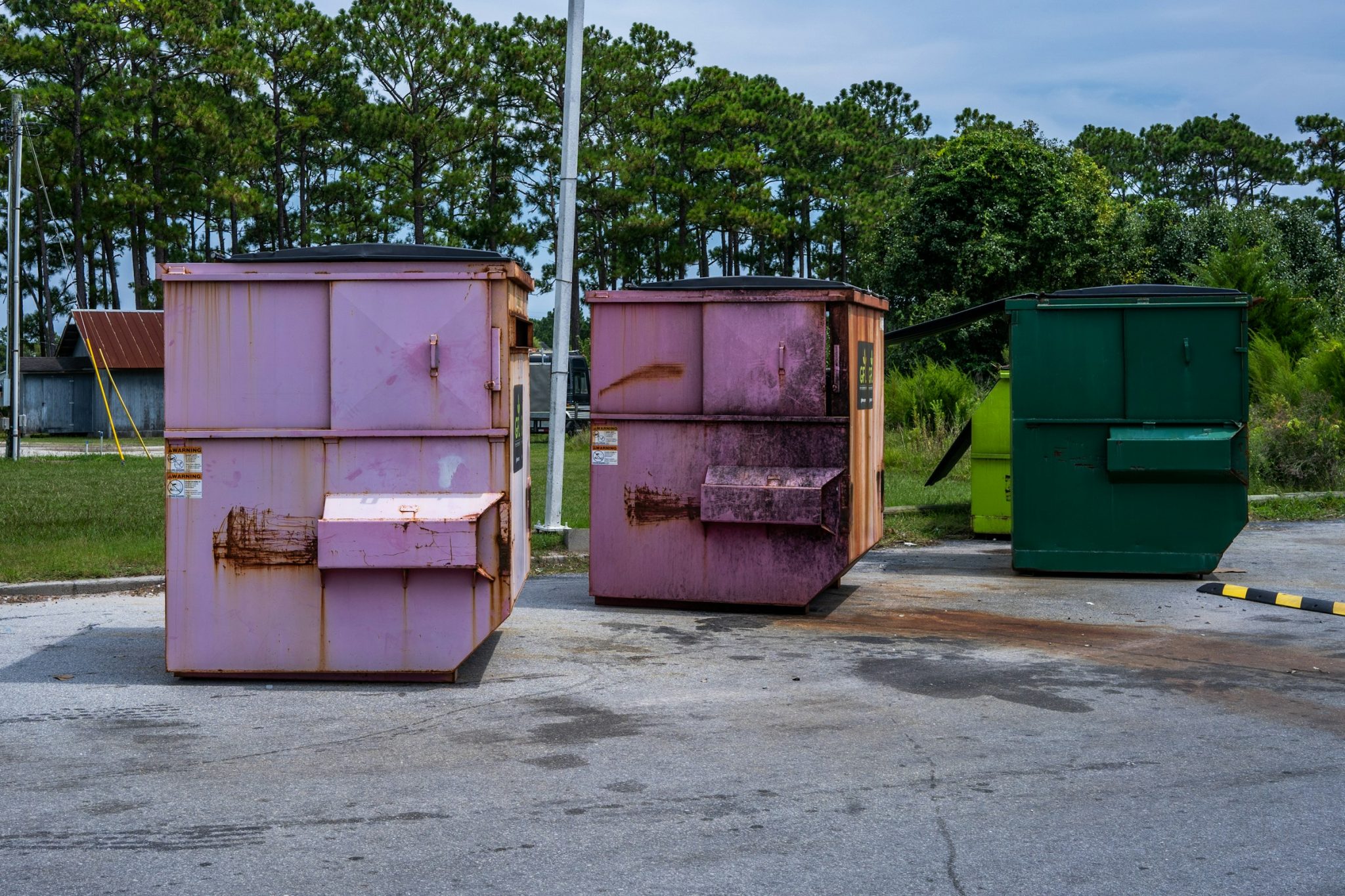
However, the need for service excellence becomes more critical than ever. In this final push, responsiveness is key. A full dumpster that isn’t removed promptly can obstruct final paving, landscaping, or site access for inspections. A swift, reliable final cleanup is essential to meeting deadlines and ensuring a smooth, professional handover to the client.
Conclusion
Choosing a waste management service for a multi-phase development is a strategic decision that echoes through every stage of the project. It requires looking past the per-haul price and evaluating a provider’s capacity for partnership—their flexibility, their diverse inventory, and their ability to provide the data and support modern projects demand. The ideal partner grows and adapts with the job site, scaling services up and down as needed. Ultimately, a well-executed waste strategy does more than just keep the site clean and safe. It becomes a cornerstone of operational efficiency, regulatory compliance, and the successful, on-time completion of the entire development.