
Last Updated: February 16, 2026 by Michael Kahn. Published: February 16, 2026.
Buying fireworks for the first time is exciting. You imagine the colours, the cheers, the photos. Then you get to the shop (or website) and are hit with a wall of jargon: cakes, barrages, category F2 vs F3, noise ratings, bore size. It’s very easy, in that moment, to make choices you regret later.

Most first-time buyers don’t go wrong out of recklessness; they go wrong because they don’t know what to look for. They overspend on the wrong products, underestimate safety distances, or assume all fireworks are much the same. The result can be anything from a disappointing display to a genuine safety risk.
The good news is that a handful of common mistakes account for most of the problems. Avoid those, and you’re already ahead of the curve.
Reputable specialist retailers – for example, established outlets like Anfield Fireworks – often publish clear guidance on categories, safety, and display planning. Spending a few minutes with that sort of information before you buy can easily make the difference between chaos and a confident, well-run show.
Below are the pitfalls first-time buyers most often stumble into, and how to sidestep each of them.
Mistake 1: Treating All Fireworks as the Same
Many new buyers assume a firework is a firework: light it, step back, enjoy. In reality, there are big differences in power, purpose, and how they’re meant to be used.
- Categories matter. Consumer fireworks are typically marked F2 or F3 in the UK and Europe. F2 is for smaller gardens with shorter safety distances; F3 is more powerful and demands more space. If you ignore those markings, you might end up with a display that simply doesn’t fit your venue.
- Effects behave differently. A straight-up rocket is not the same as a fan cake, which spreads its effects wide. Mines, fountains, wheels, single ignitions – each is designed for a particular visual role.
- Noise levels vary. Noise-rated fireworks exist for a reason. If you’re in a built-up area, or near nervous pets or small children, “low-noise” options can be a wise choice.
Before you buy, look beyond the picture on the box. Check category, recommended distance, and effect description. This takes seconds but dramatically reduces nasty surprises.
Mistake 2: Ignoring Local Rules and Real-World Safety Distances
Another common misstep is assuming that if something is sold legally, you can use it however and wherever you like. Not so.
Local bylaws and national regulations often restrict when you can set off fireworks and where. Some councils have noise curfews; others discourage fireworks near livestock or certain public spaces. Fines aside, ignoring these rules can quickly sour relationships with neighbours.
Equally important are the safety distances on the label. Those numbers are not theoretical. If a firework recommends 25 metres, that’s the minimum, not a suggestion. Squeezing a powerful cake into a 10-metre garden turns a safe product into an unsafe situation.
A simple rule of thumb: if you cannot realistically meet the safety distances printed on the firework, do not buy that item. Choose smaller, garden-friendly pieces instead.
Mistake 3: Choosing on Price Alone
“Let’s just get the biggest box for the lowest price” is the fastest route to disappointment.
The False Economy of the Bargain Box
Super-cheap selection boxes can look tempting, especially for first-timers who want “a bit of everything.” The problem is that you often end up with:
- Lots of tiny, similar fountains and few real “wow” moments.
- Inconsistent quality: one good piece, several forgettable ones.
- Short durations that leave long gaps in your show.
You might technically get many items, but the overall experience is flat.
Value = Suitability + Quality
A better way to think about value is this: does this firework suit my space, my audience, and the type of show I want?
When comparing options, consider:
- Duration: A slightly more expensive firework that runs for 60 seconds may be far better value than several cheap pieces that fizzle out in ten.
- Effect variety: Cakes that mix bursts, crackles, and colour changes can carry a small display on their own.
- Reliability: Products from reputable brands and specialist retailers usually have more consistent performance than ultra-budget imports.
Price matters, but it should be one factor among several, not the only one.
Mistake 4: Forgetting About Your Space and Your Audience
It’s surprisingly common for someone with a small suburban garden to buy display-scale rockets, or for a family event with toddlers to end up with deafening salutes.
Two questions to ask before you shop:
- What does my firing area really look like?
Measure it. Note fences, trees, sheds, washing lines, overhead cables. Think about where spectators will stand. Once you do this, you may realise that wide fan cakes or very high rockets aren’t ideal, and that vertical cakes or low-noise items fit far better. - Who is actually watching?
A group of adults might love loud, high-impact barrages. A crowd with babies, older relatives, or pets may prefer quieter effects, lower breaks, and more colourful, gentle pieces. Matching the show to your audience is the difference between delight and distress.
Fireworks aren’t one-size-fits-all. Let your space and your spectators dictate your choices, not the other way round.
Mistake 5: Underestimating Setup and Fusing
Many first-time buyers think the work ends at checkout. The reality is that planning and setup make or break your display.
Common problems:
- Fireworks simply placed on uneven grass instead of being staked or secured.
- No thought about the firing order, resulting in awkward pauses or anticlimactic endings.
- Trying to read instructions by torchlight on a windy, rainy night.
A better approach:
- Read all labels in daylight before the event. Note safety distances, orientation (some fan cakes must face a particular way), and duration.
- Plan a running order. Start with smaller pieces, build to mid-sized cakes, then finish with your biggest “finale” item.
- Secure everything properly. Use stakes, sand, or purpose-built racks/boards. A tipped cake can send shots horizontally – one of the most avoidable hazards.
Treat setup as part of the experience, not a chore to rush.
Mistake 6: Leaving Safety Gear and Cleanup as an Afterthought
Finally, new buyers often focus entirely on what goes into the sky and forget about what happens on the ground.
At a minimum, have:
- A bucket of water or sand.
- A torch or headlamp.
- Gloves and eye protection for the firer.
- A designated area for spent tubes and sparklers.
After the show, resist the temptation to poke at “duds” immediately. Leave them for at least 30 minutes, then carefully soak and dispose of them according to local guidance. Many accidents happen not during the display, but during casual, rushed cleanup.
Bringing It All Together for a Better First Display
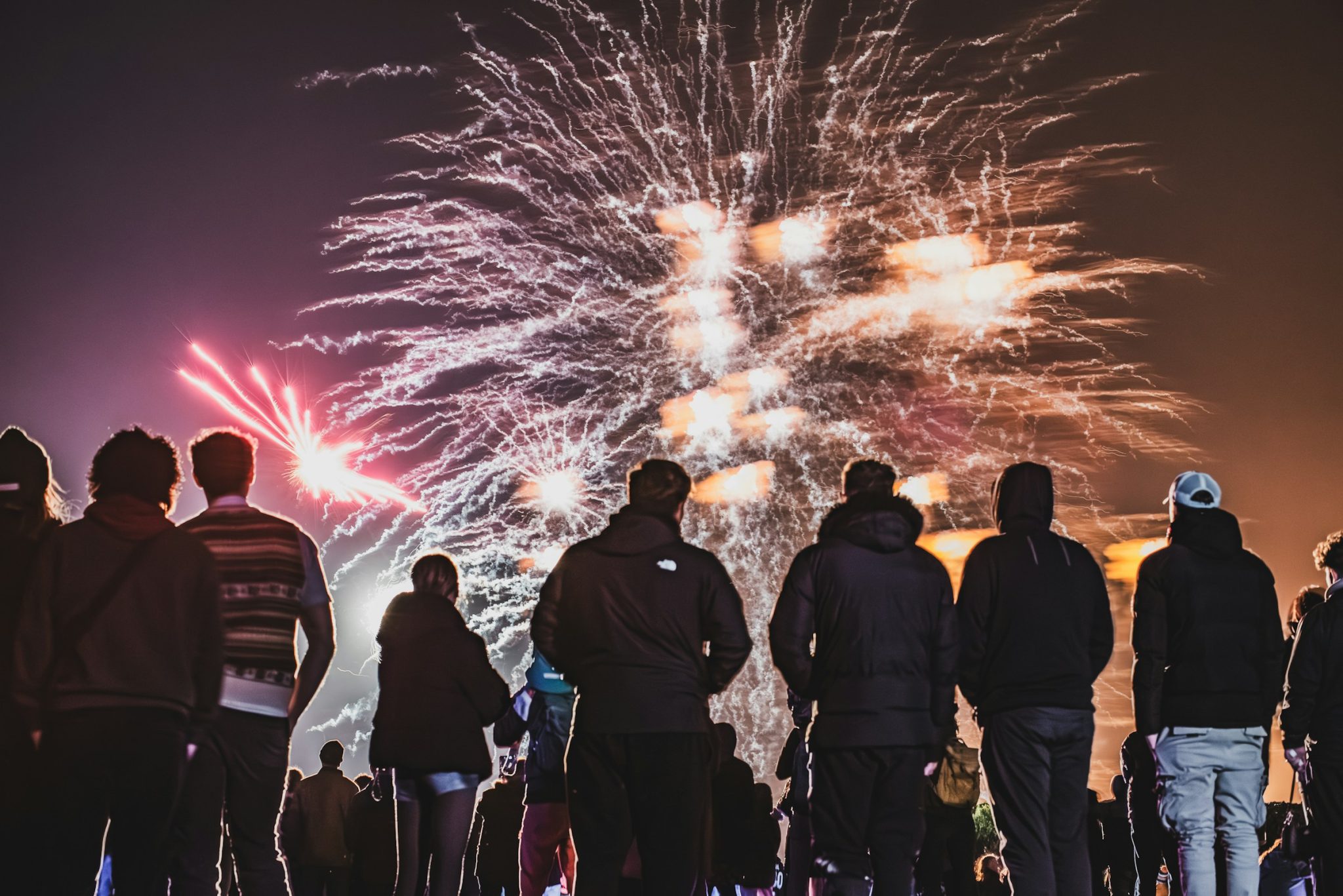
Buying fireworks for the first time doesn’t have to be confusing or risky. If you:
- Respect categories and safety distances,
- Choose products for suitability, not just price,
- Plan your display around your space and your audience,
- Take setup, safety gear, and cleanup seriously,
you’re already avoiding the mistakes that trip up most newcomers.
Do a little homework, lean on the guidance available from specialist retailers and official sources, and treat the process as part of the fun. The payoff is a smoother, safer, more memorable display – and a first experience with fireworks that you’ll actually want to repeat.
- About the Author
- Latest Posts

Whether she is researching the latest trends in home decor, life-changing destination getaways, or the best way to maintain your finances, Dewey takes pride in leaving no stone unturned. She is passionate about distilling and delivering high-quality information that you can use to upgrade your life.


