
The idea of robots helping out around the home might sound like a sci-fi concept, but it’s already a reality. Several robots are available right now to take over the most tedious household chores, from vacuuming to mowing to scrubbing pool walls. This post covers the main types and walks through what to look for when you’re shopping for one.

Table of Contents
Types of robots for your home
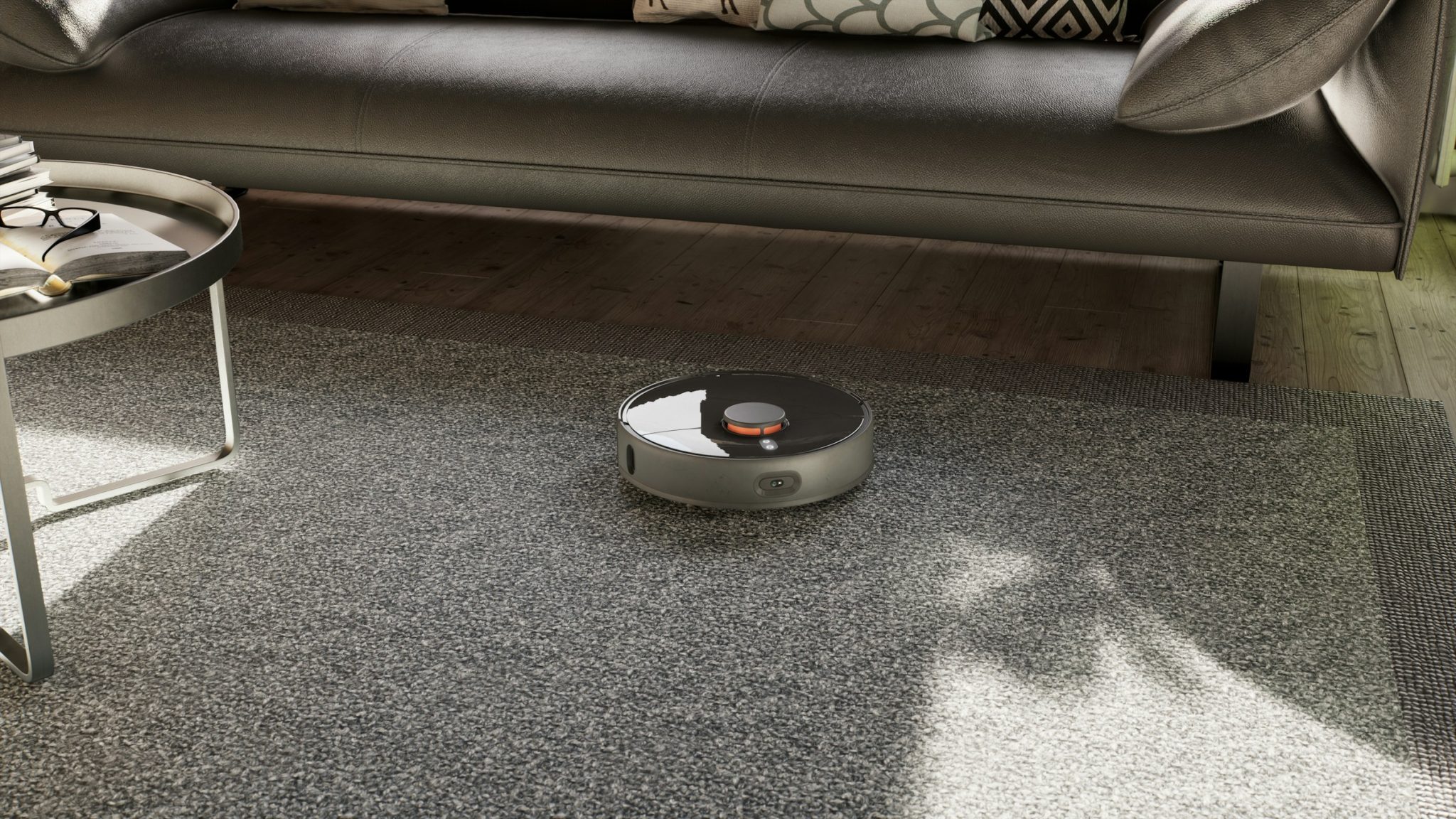
Robot vacuum cleaners
These are probably the most well-known household robots. They roam your floors automatically, picking up crumbs, dirt, and pet hair without you lifting a finger. It’s a genuinely practical way to keep floors clean between deeper cleans.
Some robot vacuum cleaners are designed purely for hard floors, while others handle carpets and rugs. It’s worth checking the suction power, and if you want the machine to capture fine particles, look for one with a HEPA filter.
Robot vacuums can’t climb stairs, and some need to be programmed to avoid them so they don’t take a tumble. Most require manual emptying, though self-emptying models are widely available now. The iRobot Roomba is one of the most established names in the category, with models ranging from basic to fully automated. Features vary quite a bit by brand and price point, so it pays to match the specs to how you actually live.
Robot Lawn Mowers
Fed up having to mow the lawn? Instead of hiring someone to mow the lawn, you could consider investing in a robot lawn mower.
These mowers automatically navigate your lawn, using sensors to avoid objects and detect the perimeter. Some have additional features including self-leveling cutting and weather adaptability, which can be useful for adjusting to different grass lengths and climates. There are also mowers built for slopes, and narrower models designed to get into tight spaces.
Like robot vacuums, robot lawn mowers can’t handle stairs, but most have built-in sensors to steer clear of them. The majority need to be emptied manually, though some higher-end models are self-emptying and will automatically return to their charging station when done.
Robot Pool Cleaners
Cleaning a pool is one of those chores that somehow takes longer every time. A robot pool cleaner removes that task from your list entirely.
These robots clean both the floor and walls of your pool, using suction to climb surfaces and pull debris as they go. Many include filter systems that capture both large and small particles, along with settings for different levels of cleaning intensity.
While robot pool cleaners can clean pool stairs, it depends on how large the steps are. All automated pool cleaners need to be emptied manually, usually after each use.
Robot Window Cleaners
You can also use robots to clean your windows. Such robots use suction to stick to the glass and automatically navigate their way around the window pane, using a microfiber pad and water jets to get rid of marks.
These robots work best on large panes of glass like sliding doors and picture windows. They can’t clean windows with grilles, since each individual pane is usually too small to operate on. Replace the microfiber pad after each use to keep results consistent.
Things to consider when choosing a robot
What to prioritize depends on the type of robot you’re buying. Some of the specific features worth watching for are covered above, but there are also a handful of universal things worth thinking through before you commit to any model.
Battery life
Robots run on rechargeable batteries, and runtime varies a lot between models. A longer-lasting battery matters more if you have a large lawn or a big home to cover. A robot that dies halfway through the job is more frustrating than helpful. Check how long the battery lasts on a single charge and how long it takes to fully recharge.
Size and weight
Smaller robots can get into tighter spaces, though they often come with a smaller waste compartment, which means more frequent emptying. Weight is worth thinking about too. A heavier robot is harder to retrieve if it gets stuck somewhere, and easier to injure yourself lifting repeatedly.
Navigation
Robots use different approaches to find their way around, including camera-based mapping, gyroscopic navigation, and laser-based systems. Models with LiDAR technology are among the most advanced. They’re less likely to get stuck or wander somewhere they shouldn’t. Better navigation means the job gets done more thoroughly and with fewer surprises.
Connectivity
Many robots now connect to your phone through an app. This lets you track battery life, monitor cleaning routes, and in some cases map out perimeters or areas to avoid. Some models also include a remote control function, giving you a degree of manual override when you want it.
Brand reputation
Some brands are far more established than others. A company with years of reviews and a strong support track record is a much safer bet than a newer name with limited feedback. Long-term reliability is hard to assess with a brand that hasn’t been around long enough for owners to report back on it.
Cost
Budget matters here, and the range is wide. Robot vacuum cleaners, for example, can run anywhere from $100 to well over $1,500. As with most things, you get what you pay for. Cheaper models tend to do a more basic job and may not hold up as long. Some robots are available on financing if cost is a barrier to the model you actually want.
Robots can help with various household tasks including vacuuming the floor, mowing the lawn, cleaning swimming pools and cleaning windows. Before buying a robot, make sure to consider the features you need in order to help you buy the right model. Remember that robots have their limitations and may not be appropriate in all cases.


