Trekking isn’t just for the young, it’s for the young at heart. For senior adventurers craving a soul-stirring Himalayan experience without extreme physical demands, the Langtang Valley Trek is a perfect match. Nestled north of Kathmandu, this timeless trail offers breathtaking landscapes, deep cultural experiences, and manageable trekking conditions that make it ideal for older travelers.

Why Langtang is the Ideal Trek for Seniors
Langtang Valley offers a rare balance of accessibility, scenic beauty, and cultural depth, making it a top choice for senior adventurers who seek meaningful exploration without overly strenuous demands. Whether you’re in your 60s, 70s, or beyond, Langtang welcomes you with its moderate trails, peaceful ambiance, and rewarding Himalayan vistas, all within driving distance from Kathmandu.
Moderate trekking difficulty with rewarding views
The Langtang route is neither too steep nor too remote, making it suitable for those who value a good challenge but need to be mindful of stamina and recovery. Expect forest trails, glacial rivers, and panoramic mountain views that require effort, but not exhaustion.
Fewer crowds compared to Everest and Annapurna
Unlike Nepal’s busier trekking routes, Langtang offers serenity and space. You won’t be jostling with large crowds or navigating packed teahouses, giving you the breathing room to go at your own pace.
Accessible from Kathmandu without domestic flights
No need to worry about short, bumpy mountain flights. The Langtang Valley trail starts after a scenic drive from Kathmandu to Syabrubesi, ideal for travelers who prefer road journeys over air travel.
Real-life stories from senior trekkers
From a retired Australian couple in their 70s to a solo German woman celebrating her 65th birthday on the trail, senior trekkers regularly conquer Langtang. Their experiences highlight that with the right mindset and preparation, age truly is just a number.
Assessing Your Readiness: Is Langtang Right for You?
Before you lace up your trekking boots, it’s important to reflect on your physical, mental, and emotional preparedness, especially as a senior traveler. While Langtang is considered one of Nepal’s more accessible treks, it still involves several days of hiking at altitude and basic living conditions.
This section helps you evaluate whether the trek aligns with your fitness level, medical background, and mindset. You’ll also hear from other senior trekkers who have faced the same questions, and answered them with courage and clarity.
Physical Fitness and Age Considerations
You don’t need to be a marathon runner, but moderate fitness is essential. Regular walking, some uphill training, and endurance exercises will go a long way.
Medical advice: Seniors should consult with their physician—especially if they have heart conditions, arthritis, or other chronic issues. Consider how your body responds to altitude and cold weather.
Mental Preparedness & Trekking Confidence
Trekking at an older age can raise questions about resilience and safety. The key? Confidence and a can-do attitude. Trekking guides report that 60+ trekkers often outperform their younger counterparts in terms of discipline and patience.
Choosing the Best Itinerary for a Comfortable Pace
Finding the right itinerary is crucial for making your Langtang trek both enjoyable and manageable, especially for older adventurers. A well-paced trek allows time for acclimatization, rest, and cultural immersion without overwhelming your energy reserves. The goal is not to rush to the finish line but to savor each step of the journey.
This section outlines itinerary options tailored to seniors, including the benefits of taking it slow, adding rest days, and deciding between private or group travel formats.
Suggested Itineraries for Senior Trekkers
Opt for an 8–10-day itinerary that includes:
- 2 acclimatization or flexible rest days
- Shorter hiking hours each day
- Optional detours like Kyanjin Ri for those feeling strong
This balance helps your body adjust to altitude while still allowing time for exploration.
Consider side treks to Kyanjin Ri if you’re feeling strong. Or spend an extra day enjoying the cultural richness of Kyanjin Gompa.
Group Trek vs. Private Guide
While groups offer camaraderie, a private guide or small group trek ensures a pace tailored to your needs. Choose agencies with experience supporting senior clients, they’ll provide better pacing, more rest opportunities, and added encouragement.
Health, Safety, and Altitude Tips for Seniors
Staying healthy and safe on the trail is the foundation of a successful trekking experience, especially for senior adventurers. The Langtang trek is achievable at any age with the right precautions, but knowing how to prevent altitude sickness, manage energy levels, and prepare for emergencies is essential.
This section offers expert-informed guidance on acclimatization, medical considerations, and practical safety tips to ensure your trek remains smooth and enjoyable from start to finish.
Acclimatization Strategies at Higher Altitudes
The key to staying healthy is slow ascents and hydration. Build in time for rest and avoid rapid altitude gains. Drink plenty of fluids and resist the temptation to “power through.”
Trekking with Medical Conditions
Carry all necessary medications and consult your doctor before departure. Learn about altitude sickness prevention, and don’t forget travel insurance with helicopter evacuation coverage.
Staying Safe on the Trail
Watch out for slippery trails, loose stones, or fatigue. Use trekking poles, conserve energy, and know basic first aid procedures. Listen to your body, it knows best.
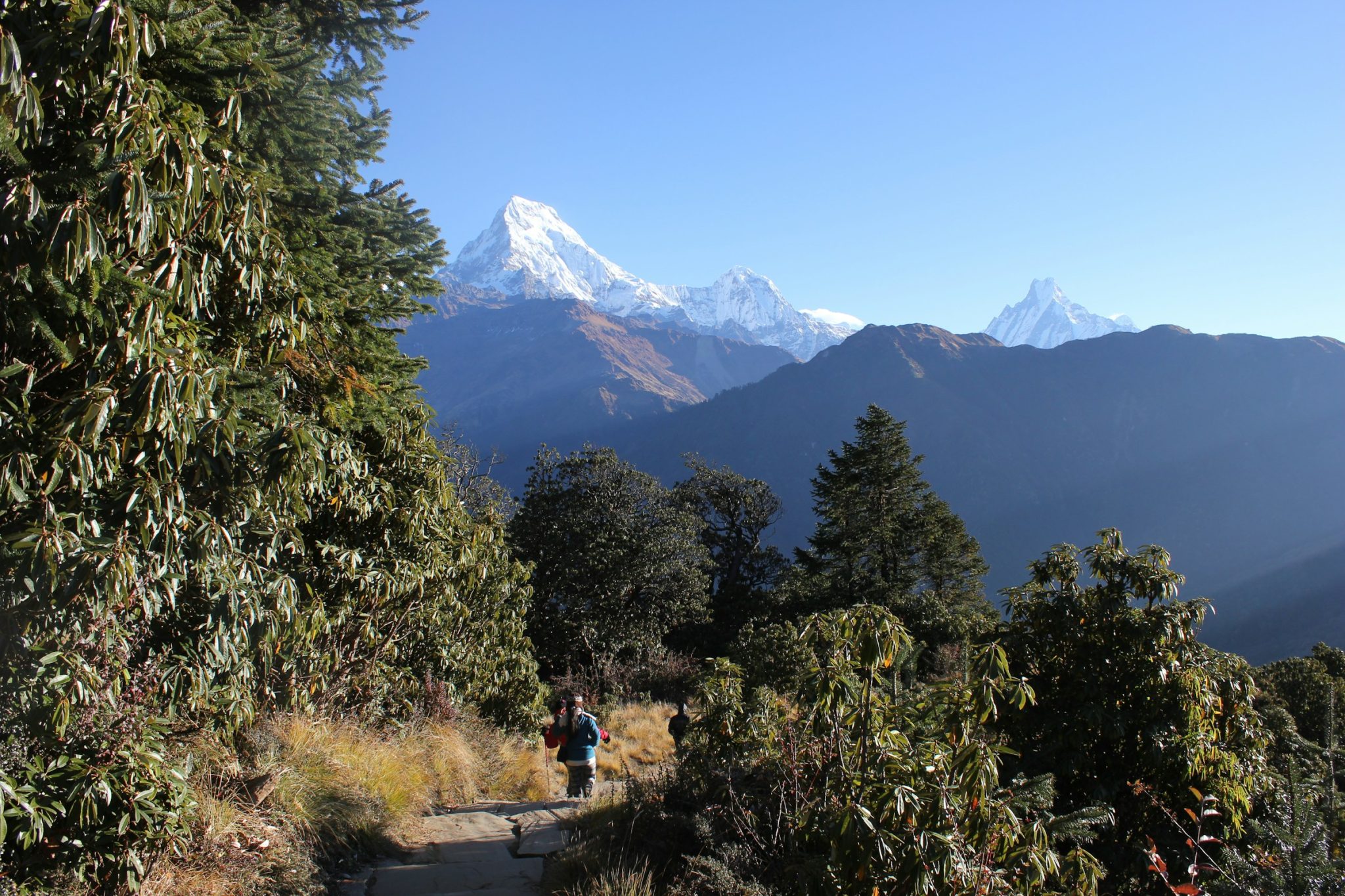
Packing Smart: Essentials for Older Trekkers
The right gear can transform your trekking experience, especially when you’re prioritizing joint comfort, warmth, and recovery. For senior adventurers, packing isn’t just about minimizing weight; it’s about choosing equipment that supports your body and enhances well-being on the trail.
This section highlights the most important trekking items to keep you comfortable, safe, and energized throughout your Langtang journey.
Lightweight Gear for Joint Comfort
Every gram matter when you’re hiking for hours. Choose:
- Lightweight boots with solid ankle support
- Ergonomic backpacks with padded straps and easy access compartments
- Compression socks or braces if you have joint sensitivity
Trekking Poles, Sun Protection, Layered Clothing
Trekking poles aren’t just optional, they’re a game-changer for stability and knee protection, especially on descents.
Don’t forget:
- Polarized sunglasses and sunscreen (high-altitude UV rays are intense)
- Layered outfits to easily adapt to fluctuating mountain temperatures
- A wide-brim hat or cap for midday sun protection
Must-Have Comfort Items for Better Sleep and Recovery
Good rest is crucial for performance and recovery, especially as we age. Consider bringing:
- A lightweight down jacket and sleeping bag liner for warmth
- Earplugs and an eye mask for quiet teahouse nights
- A small pillow or neck support to ease shoulder and neck tension
Bonus tip: Pack your favorite herbal tea or comfort snack to lift your spirits on chilly evenings.
Teahouse Comforts and Cultural Richness
Teahouses in Langtang offer warm meals, simple bedding, and community vibes. They’re more than just places to sleep, they’re hubs of culture and connection.
The Tamang people, who call Langtang home, welcome travelers with smiles, stories, and steaming plates of dal bhat. Their pace of life, grounded in nature and tradition, aligns beautifully with the reflective mindset many senior trekkers seek.
When to Trek Langtang for the Best Senior Experience
Timing your trek is just as important as choosing the right trail, especially for senior adventurers who value comfort, safety, and ideal weather conditions. Langtang can be trekked year-round, but choosing the right season ensures a smoother experience with milder temperatures, clearer views, and lower risk of altitude or weather-related stress.
This section helps you align your trekking goals with the best time of year, so you can fully enjoy Langtang’s beauty at your own pace.
Ideal Seasons (Spring and Fall) for Mild Temperatures
- Spring (March–May): Blooming rhododendrons, warmer daytime temperatures, and stable weather
- Autumn (October–November): Crisp mountain views, minimal rain, and cool, but not freezing, conditions
Both seasons are ideal for avoiding weather extremes while maximizing scenery and comfort.
Avoiding Harsh Cold or Monsoon
- Winter (December–February): Snowfall and freezing nights can be tough on joints and lungs
- Monsoon (June–September): Rain can make trails slippery and leeches more active—best avoided
Choosing a shoulder month within the ideal seasons helps reduce crowds while still enjoying great conditions.
Matching the Trek with Your Energy Levels and Travel Goals
Plan your trek when you feel most physically and mentally energized. Avoid major holidays or high-season pressure if you prefer quiet trails and a reflective journey. Many senior travelers combine the trek with extra days in Kathmandu for cultural sightseeing and recovery time.
Conclusion
Trekking Langtang at a senior age is more than just a travel goal, it’s a statement. A declaration that curiosity, courage, and vitality do not fade with the years.
Trekking can be a source of renewal, bringing confidence, joy, and a profound connection with nature. Every step is a reminder: it’s never too late to explore, grow, and feel truly alive.