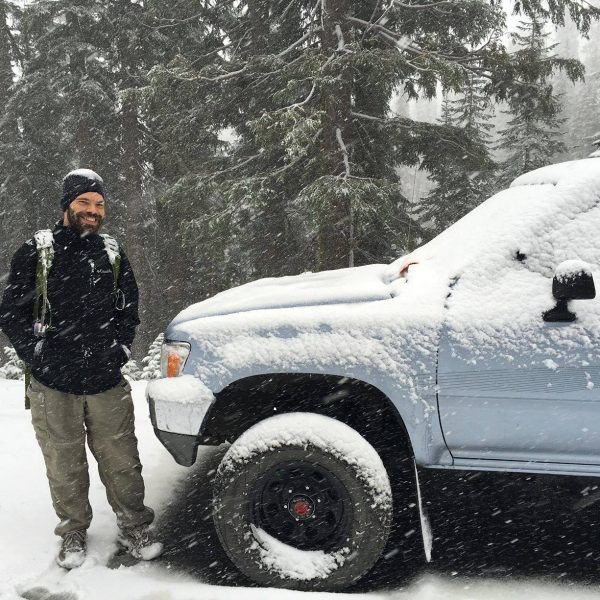
In winter, the atmosphere brings chilling winds and heavy snowfall, which are known to harm houses and buildings. Preparing structures ahead of the harsh weather saves unnecessary repairs and expensive interruptions. The right precautions taken early in winter shelter property from its more undesirable effects.

Inspecting Roofs and Gutters
Reviewing roofs and cleaning gutters should be a part of your ‘prepare home for winter storm’ checklist. Roofs play a crucial role in protecting properties from adverse weather conditions. Water pours in through loose or broken shingles and causes damage inside. Routine inspections enable the detection of potential problems ahead of storms. One of the best ways to avoid ice dams is to clean any debris out of the gutters, which can encourage blockages. To minimize risk, water must not be trapped; it shall flow away from the house.
Sealing Doors and Windows
Drafts from cold air seeping in through gaps around doors and windows make interiors unpleasant. Proper weatherstripping and caulking to seal these gaps will help keep the heat in and the electricity bills down. Check each access point and substitute defective materials so that everything is snug when winter hits. Moisture can still get inside even through a tiny fracture, so over time, it will cause huge problems.
Protecting Pipes from Freezing
Burst pipes can cause plenty of damage when they freeze, which often happens to exposed pipes during cold spells. Pipe insulation keeps pipes warmer, especially in basements, attics, and crawl spaces. Leaving faucets to drip on really cold nights relieves some of the pressure and lowers the odds of freezing. Under sinks, it is also helpful to open cabinet doors to let warm air circulate to plumbing, where it is especially susceptible.
Trimming Trees and Shrubs
Snow on tree branches also causes overhanging branches to break and sometimes fall on rooftops or power lines. Cutting trees and shrubs that touch the residence reduces this risk. Pruning also helps control debris during storms, which makes yards safer for residents and passersby and promotes healthy growth as well, but dead or weak limbs must be removed before the freezing winter.
Maintaining Heating Systems
A properly functioning heater is essential when temperatures drop low. To ensure that furnaces and boilers operate with the highest efficiency, schedule annual inspections. Use change filters because they force systems to work harder when they clog. When the vents are clean and free of debris, warm air can flow into each room without a problem. By hiring a professional service, you can potentially detect issues before the heat breaks down at the crucial moment.
Installing Storm Shutters and Reinforcements
Storm shutters provide an additional layer of protection for windows by preventing them from shattering from debris, pelting rain, and wind. Garage door and doorway reinforcement strengthens weak spots prone to high winds. Opting for durable materials is a way to save money over time and evade costly replacements. Upgrades like these provide peace of mind in the event of a severe storm.
Clearing Snow and Ice Promptly
This leaves you with snow piling up on their property and endangering lives. After every snowfall, clear walkways and driveways with a good shovel or snow blower. Adding salt or sand increases traction, which minimizes slip hazards. Roofs are especially important—heavy snow can put stress on structures. Ice dam removal stops water from backing up and coming indoors.
Checking Emergency Supplies
Winter storms can sometimes cause power outages and blocked roads. Moreover, preparing for these situations simplifies the handling process. Stock up on whole dry, bottled, or canned food, flashlights, and batteries. Have blankets and warm clothes ready in the event that your heating stops working. Residents use a battery-operated radio to keep track of changing weather.
Reviewing Insurance Coverage

If damage does happen, sufficient insurance will cover your repair expenses. Before winter arrives, ensure policies are sufficient. Look for weather-exclusionary language and inquire about higher limits for flood and wind. At the start of storm season, take pictures of your property to document its condition. You may need them if you have to make a claim.
Conclusion
To get ready for wintry tempests, one would not require convoluted arrangements. Early, simple steps protect property from damage and ensure residents stay warm. Effective maintenance, prompt repairs, and strategic planning can significantly contribute. By being attentive and vigilant, we can better prepare ourselves for the challenges posed by winter, thereby reducing our worry.