Europe’s richness extends far beyond its famous capitals and crowded landmarks. Beneath the surface of well-known tourist routes lies a continent of quieter wonders, where centuries of history, culture, and natural beauty remain refreshingly intact. This guide explores some of Europe’s lesser-known destinations, places where the old world’s charm survives in its most authentic form.
Vienna and Budapest: Jewels of Central Europe
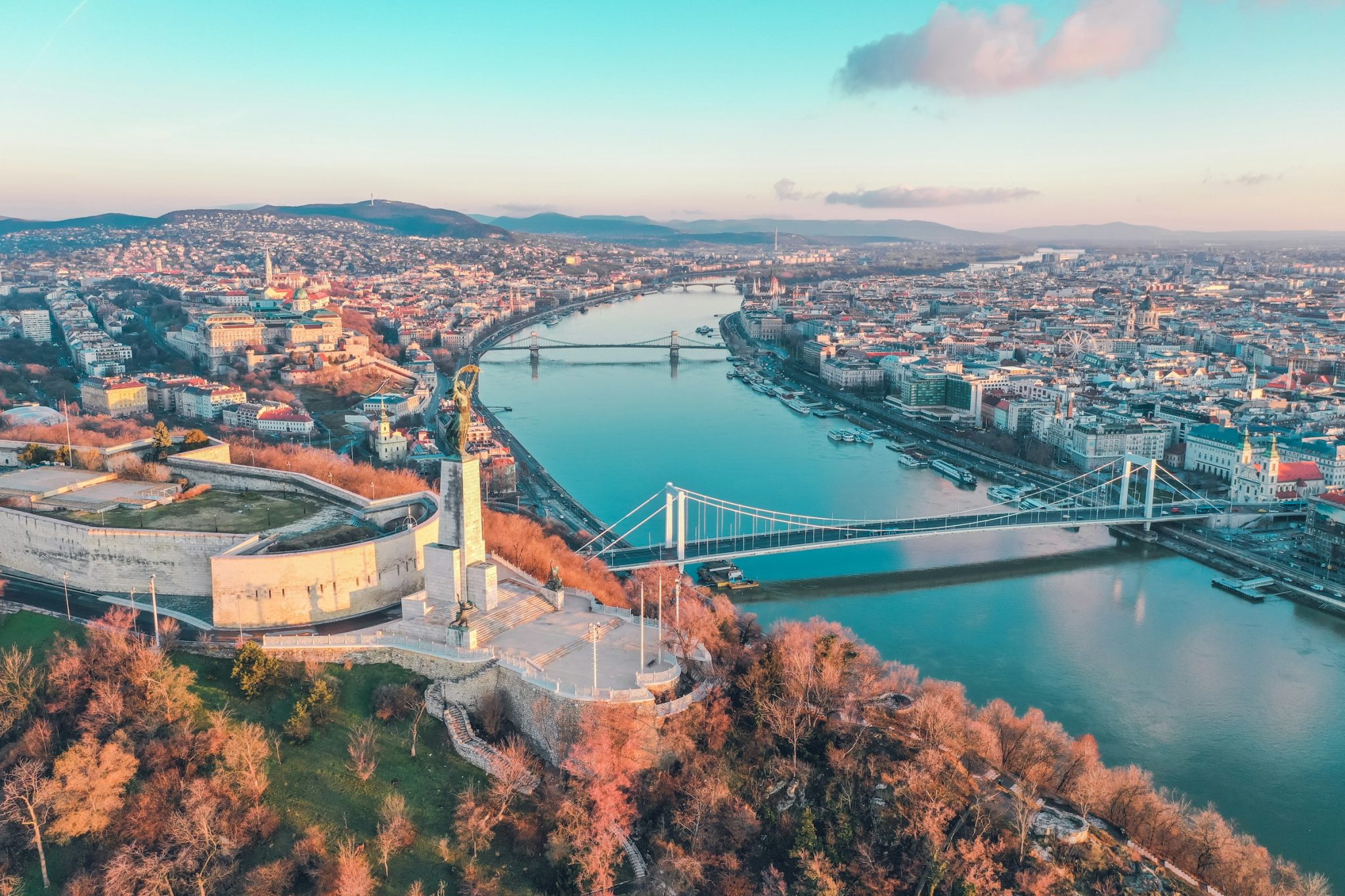
Table of Contents
- Vienna and Budapest: Jewels of Central Europe
- France: The Ardèche
- Albania: A Riviera Untouched by Time
- Portugal: The Enigmatic Azores
- Slovenia: The Soča Valley’s Emerald Adventures
- Romania: Maramureș, Where Tradition Meets Timelessness
- Estonia: Lahemaa National Park, Nature’s Sanctuary
- Greece: The Pelion Peninsula, Where Myths Come Alive
- Bulgaria: The Mystical Rhodope Mountains
- Norway: The Lofoten Islands’ Arctic Splendor
- Poland: The Primeval Białowieża Forest
Vienna and Budapest rank among Central Europe’s most storied cities, each steeped in centuries of history and culture. Vienna, Austria’s capital, is celebrated for its imperial palaces, including Schönbrunn and the Hofburg, along with a musical heritage shaped by legendary composers like Mozart and Beethoven. The city’s beloved coffeehouse tradition and thriving arts scene only deepen its appeal.
A convenient and scenic Vienna to Budapest train journey connects these two capitals, making it easy for travelers to explore both cities. Budapest, the capital of Hungary, straddles the Danube River, offering stunning views of its iconic Chain Bridge and the Buda Castle. Known as the “Pearl of the Danube,” Budapest is famous for its thermal baths, historic architecture, and lively nightlife, making it a must-visit destination for travelers seeking a blend of tradition and modernity.
France: The Ardèche
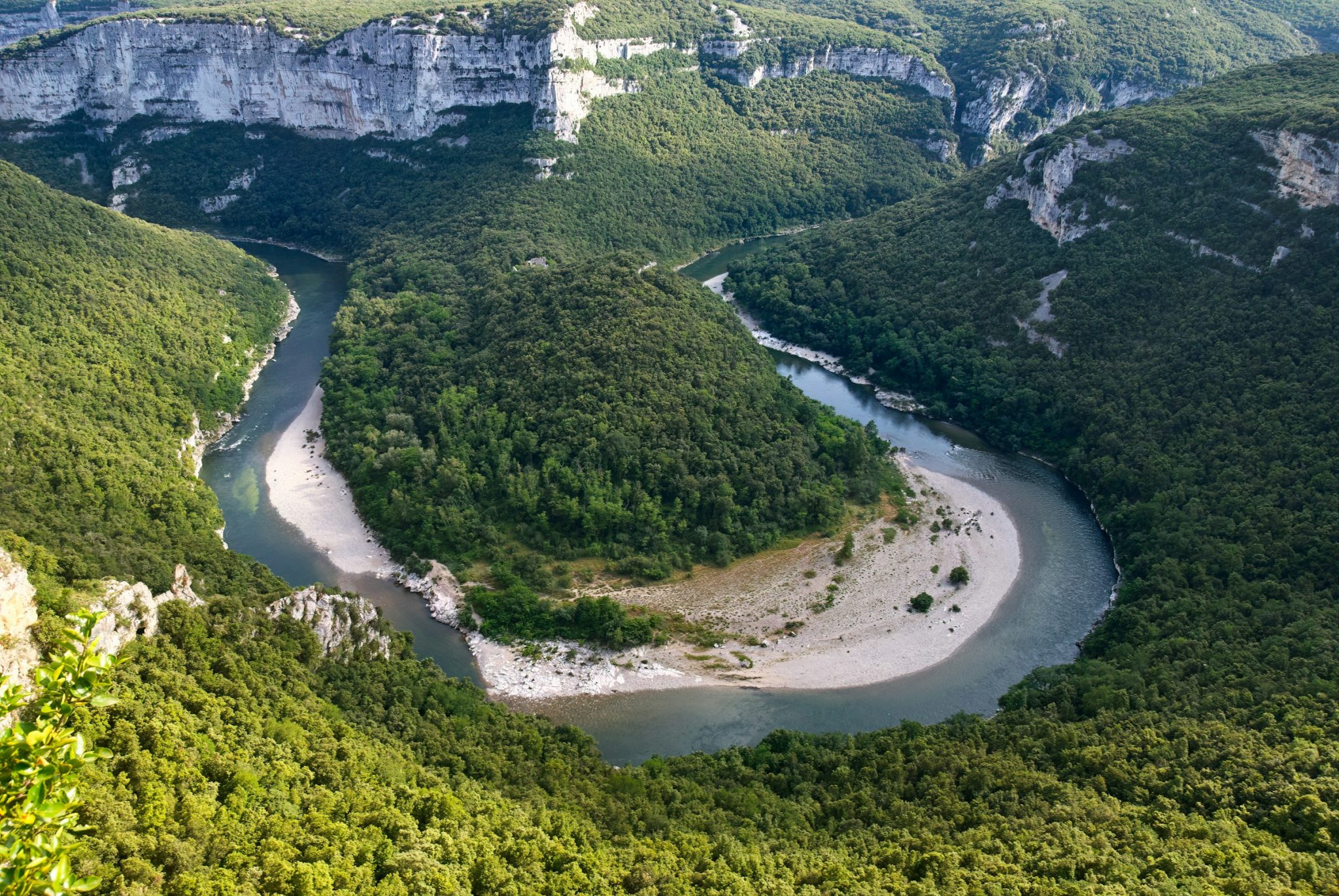
The Ardèche region in southern France draws nature lovers and adventure seekers in equal measure. The Ardèche Gorge, often called the Grand Canyon of Europe, is a spectacular natural formation best explored by canoe or kayak. The region is also home to remarkable prehistoric caves, including the Chauvet Cave, which contains some of the world’s oldest known cave paintings. After taking in the natural beauty of the Ardèche, travelers can continue north to Paris.
From there, they can easily continue their European adventure by taking the train from Paris to Brussels. In Brussels, visitors are greeted by a blend of modernity and historical charm, from the grandeur of the Grand Place to the contemporary vibe of its many cafes and bars. This route connects two of the continent’s most vibrant capitals, each offering its own unique set of attractions and experiences.
Albania: A Riviera Untouched by Time

The Albanian Riviera remains one of Europe’s most underrated stretches of coastline. Pristine beaches rest beneath the rugged Ceraunia Mountains, creating a setting where the azure sea blends seamlessly with the sky. But this riviera offers far more than secluded sunbathing. It is also a journey through layers of history.
The ancient city of Butrint opens a window into civilizations past, from Greek to Roman, with ruins telling stories of antiquity amid lush vegetation. Nearby, Gjirokastër, celebrated for its castle and distinctive stone houses, stands as a monument to Ottoman architecture and cultural heritage. With its unspoiled landscapes and historical depth, the Albanian Riviera presents a rare blend of relaxation and exploration.
Portugal: The Enigmatic Azores
The Azores, Portugal’s mid-Atlantic archipelago, rise from the ocean like the peaks of a submerged giant. Each island, shaped by volcanic forces and blanketed in emerald green meadows, feels like its own self-contained world. Hiking up Mount Pico provides not only a physical challenge but also panoramic views that stretch to the horizon. The geothermal pools of Furnas, naturally heated by the earth’s warmth, offer relaxation in settings so striking they seem almost imaginary.
The surrounding waters serve as a sanctuary for marine life, making whale watching an unforgettable encounter with the grandeur of the natural world. The Azores beckon those seeking untouched landscapes, where every vista and every breath of salt air speaks to the earth’s raw power and quiet grace.
Slovenia: The Soča Valley’s Emerald Adventures
Slovenia’s Soča Valley reflects the country’s dedication to preserving its natural landscapes. The Soča River, famous for its vivid turquoise waters, carves through the valley and creates a playground for kayakers, rafters, and water sports enthusiasts of all kinds. Beyond the river, the Julian Alps call to hikers, mountain bikers, and paragliders eager to explore untouched trails and soar above jagged peaks.
The region’s history runs deep as well. The poignant story of the Isonzo Front during World War I is thoughtfully captured in the exhibits of the Kobarid Museum, offering a moving look at the resilience of the human spirit. The Soča Valley is a celebration of the outdoors, where every activity becomes an opportunity to connect with nature and history in their purest forms.
Romania: Maramureș, Where Tradition Meets Timelessness
Maramureș, in northern Romania, functions as a living museum dedicated to preserving the essence of Romanian rural life. Its wooden churches, with tall, slender spires and intricate carvings, stand as testaments to the community’s craftsmanship and spirituality. The surrounding landscapes shift with the seasons yet feel timeless.
The Mocănița steam train offers a journey back in time, chugging through the heart of the Vaser Valley and showcasing nature’s unspoiled beauty alongside a simplicity of life that is increasingly hard to find. Maramureș is a reminder of the world’s enduring traditions, inviting visitors to step into a place where folklore, faith, and the warmth of local hospitality are woven into everyday life.
Estonia: Lahemaa National Park, Nature’s Sanctuary
Just a stone’s throw from Tallinn, Lahemaa National Park is Estonia’s ode to the wilderness. The park, encompassing bogs, forests, and a jagged coastline, serves as a refuge for a diverse array of wildlife and a haven for nature enthusiasts. Historical manor houses dot the landscape, offering a peek into Estonia’s aristocratic past, while the traditional fishing villages along the coast tell stories of a life intimately tied to the sea.
Hiking trails and bicycle paths wind through the park, inviting visitors to explore its natural wonders at their own pace, fostering a deep connection with the tranquility and beauty that define Estonia’s largest national park.
Greece: The Pelion Peninsula, Where Myths Come Alive
The Pelion Peninsula, cradled between the Aegean and Pagasetic Gulf, is a magical convergence of sea and mountain, myth and reality. This enchanting region is characterized by its picturesque villages, where slate-roofed houses and cobblestone paths whisper tales of a bygone era. The ancient paths, once trodden by mythical Centaurs, lead adventurers through dense forests to hidden coves with crystal-clear waters.
The Pelion Peninsula offers a retreat into a landscape where Greece’s natural beauty and mythical narratives unfold in harmony. Every corner holds a story, and every trail leads somewhere worth discovering.
Bulgaria: The Mystical Rhodope Mountains
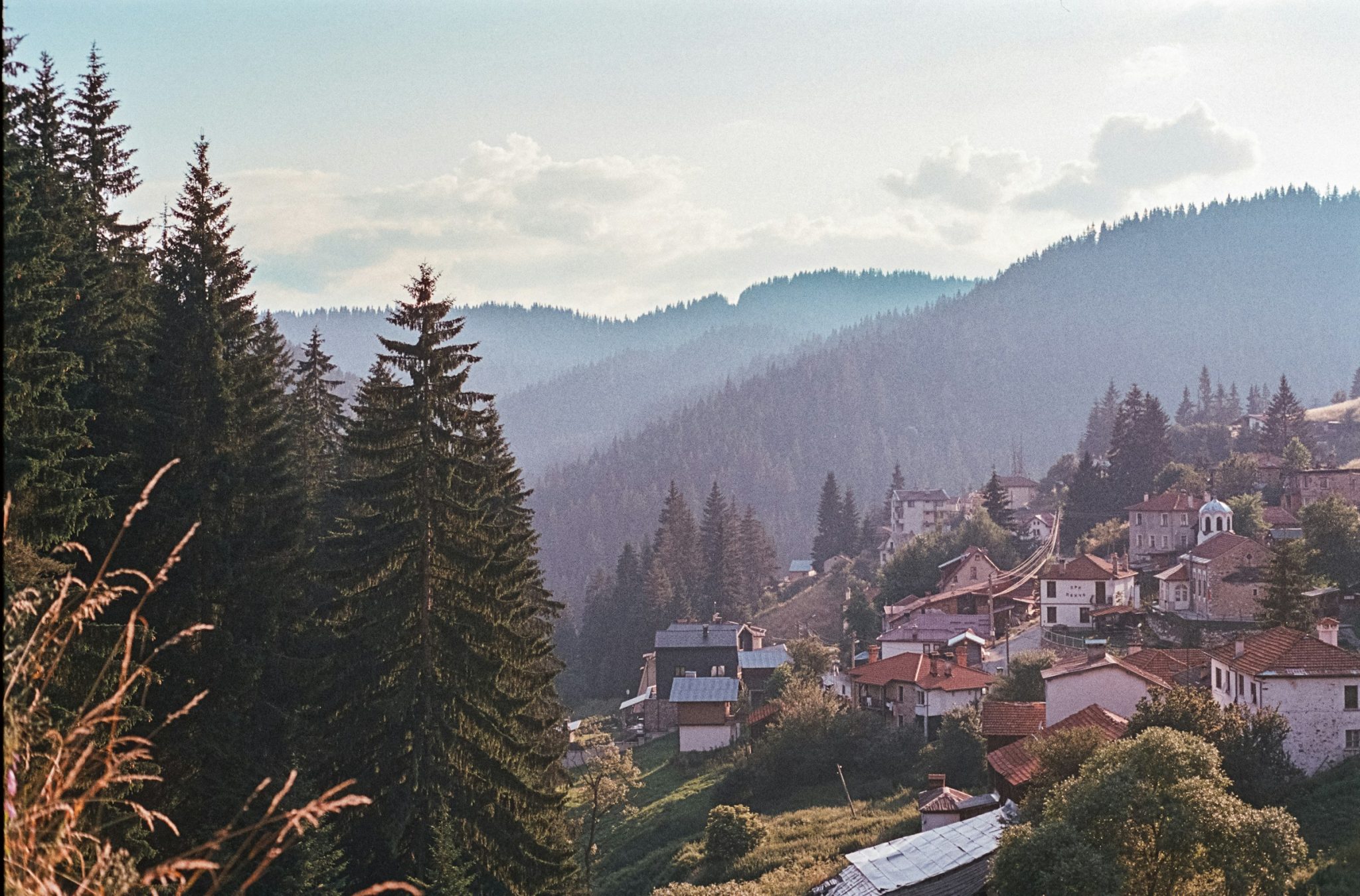
The Rhodope Mountains in southern Bulgaria weave together myth, history, and breathtaking scenery in equal measure. The Trigrad Gorge reveals a landscape where nature’s artistry operates without restraint, while the ancient sanctuary of Belintash holds secrets from a distant past. Villages scattered throughout these mountains feature traditional architecture that merges seamlessly with the natural surroundings, offering a window into a way of life preserved through generations.
Nearby, Plovdiv, with its layers of history and vibrant cultural scene, serves as a gateway to this mystical region. The Rhodope Mountains are a place where legends feel alive, inviting travelers to explore their hidden wonders and timeless beauty.
Norway: The Lofoten Islands’ Arctic Splendor
The Lofoten Islands of Norway present a striking contrast of rugged peaks and serene beaches, all set within the Arctic Circle. During summer, the midnight sun bathes the islands in perpetual daylight, while winter nights come alive with the ethereal glow of the northern lights.
These islands are a refuge for those seeking nature at its most unspoiled. Traditional fishing villages line the coast, preserving the maritime heritage of the region. The Lofoten Islands combine raw natural beauty with cultural richness, making them an exceptional destination for anyone drawn to the Arctic’s quiet magnificence.
Poland: The Primeval Białowieża Forest

Straddling Poland and Belarus, the Białowieża Forest offers a glimpse into the primeval landscapes that once covered much of Europe. This UNESCO World Heritage site is a biodiversity stronghold, notably home to the majestic European bison. Exploring the forest on foot or by bike reveals a world where nature reigns supreme, seemingly untouched by the passage of time. The Białowieża Forest is both a natural treasure and a living museum of ecological diversity, giving visitors a rare encounter with the continent’s ancient wilderness.
These off-the-beaten-path destinations reveal a different side of Europe, one where the pace of life slows and the connection to nature and history runs deeper. Each of these hidden corners provides a singular and memorable experience, far from the crowds and standard tourist circuits. Whether you seek adventure, tranquility, or a richer understanding of European culture, these places are waiting to be discovered.