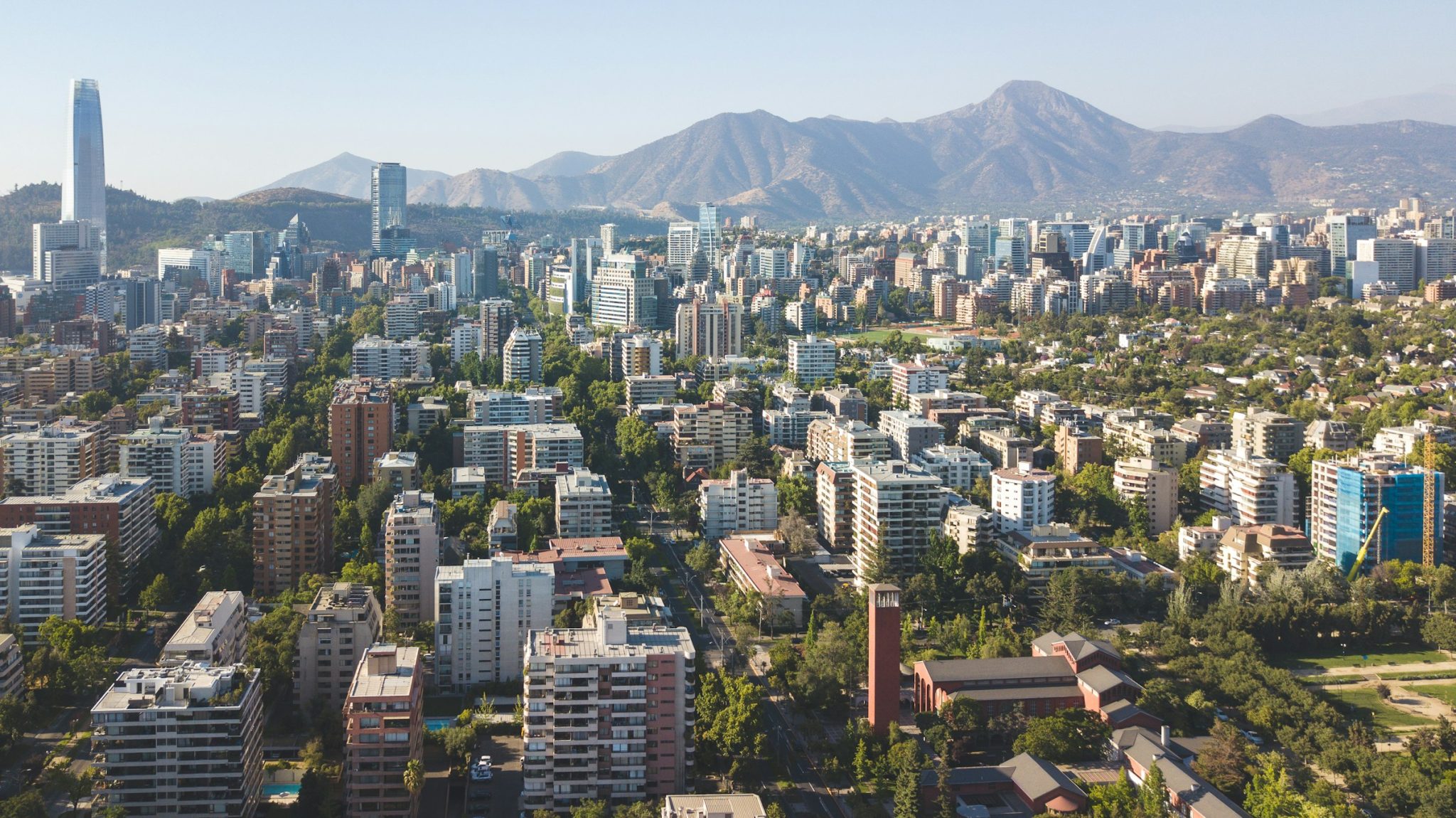
Chile’s capital attracts millions annually, yet most follow the well-trodden path through Plaza de Armas and La Moneda. While these landmarks deserve praise, Santiago hides cultural sanctuaries defining its true artistic identity. For travelers seeking authenticity, these spaces offer depth without the crowds. Utilizing Qeepl trusted storage lets you explore these scattered districts with total freedom, unburdened by heavy bags.
Underground Art Spaces in Barrio Brasil
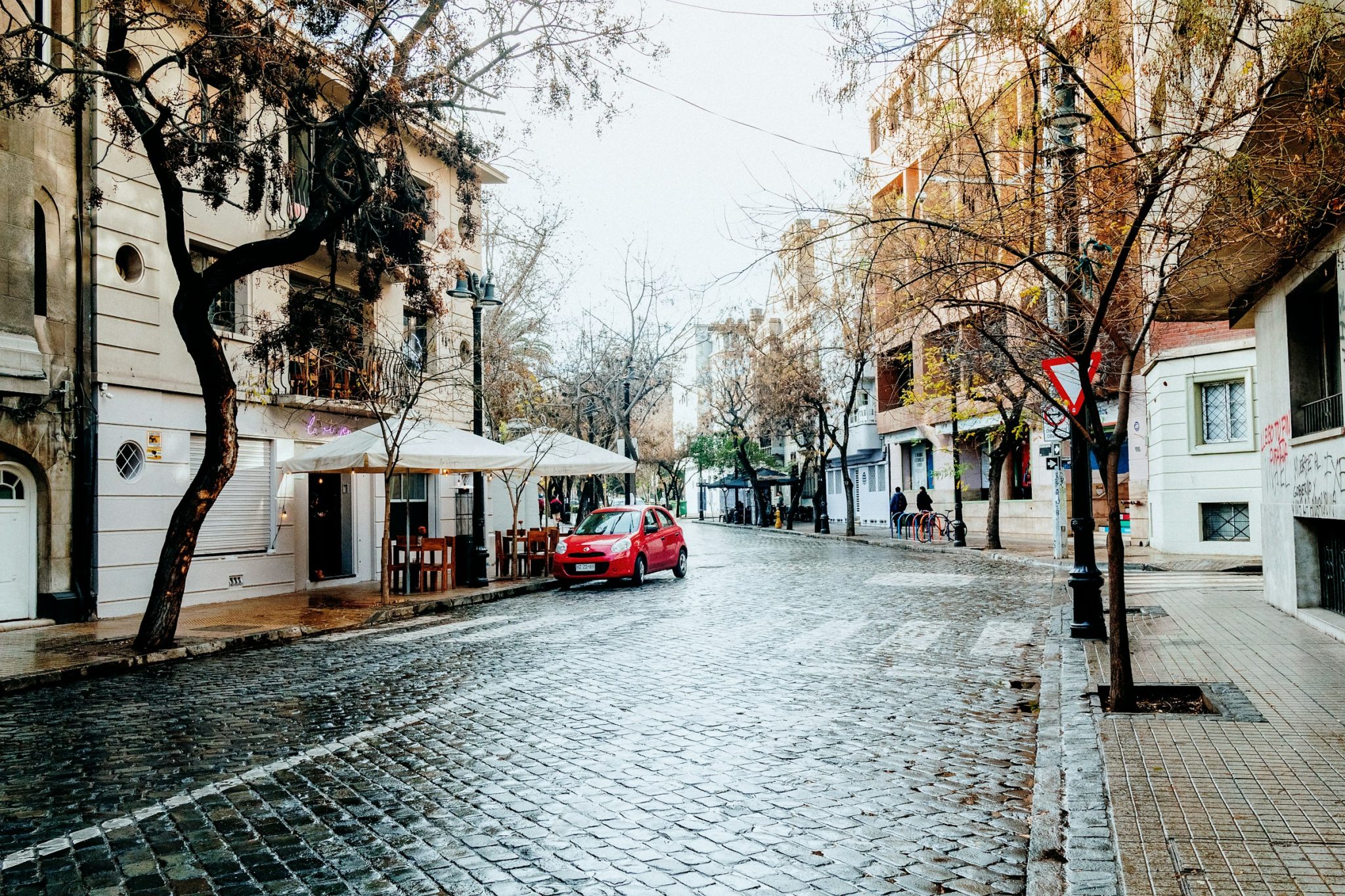
Barrio Brasil beats as Santiago’s bohemian heart. Behind colorful facades, independent galleries defy tourist brochures and commercial expectations. Galería Temporal transforms residential buildings into art spaces, showcasing emerging artists free of market pressure. Unlike polished venues in Vitacura, these galleries prioritize conceptual risk. Openings on Thursday evenings often facilitate direct dialogue with creators.
The cultural calendar favors spontaneity, with pop-up shows announced via Instagram just days in advance. This unpredictability rewards flexible travelers. Raw street art saturates the walls here, evolving constantly as local crews paint over existing murals, creating a living canvas of urban expression.
Literary Heritage in Hidden Libraries
Santiago’s literary roots extend far deeper than the famous Pablo Neruda museums. Specialized libraries and quiet corners preserve intellectual history essential to understanding the nation.
Biblioteca de Santiago
This structure in the Matucana Cultural District holds over 200,000 volumes. Beyond checking out books, it safeguards publishing history, including rare first editions from the literary boom. The third floor displays a permanent collection on dictatorship-era writers, featuring banned books and samizdat texts. With reading rooms open late, the naturally lit space invites long, quiet visits away from urban noise.
Bookshops as Cultural Memory
Librería Metales Pesados serves as a critical hub for philosophy and experimental literature. Staff members offer recommendations far surpassing bestseller lists. Back-room author talks attract Santiago’s intellectual community, giving visitors a glimpse into contemporary Chilean thought unavailable in standard tourist guides.
Neighborhood Museums That Tell Complex Stories
Small institutions often challenge simplified historical narratives. The Museo de la Educación Gabriela Mistral occupies a 1940s school in Providencia, tracing history through classroom reconstructions and pedagogical debates. It bravely confronts uncomfortable truths about indigenous assimilation and curriculum battles.
In La Cisterna, the Museo de la Solidaridad Salvador Allende preserves international art donated after the 1973 coup. Works by Miró and Matta stand as testament to global solidarity with Chilean democracy. These collections transcend typical art history, offering deep political context. Both museums charge minimal fees and offer guided tours that reveal the stories behind the artifacts.
Jazz and Experimental Music Venues
A robust network of small venues sustains the city’s jazz and improvisation scenes, operating far outside the mainstream Latin pop circuit.
Operating since 1943 in Ñuñoa, this venue prioritizes acoustic quality over ambiance. In a dim room seating fewer than 100, audiences focus intently on the music. Thursday through Saturday nights showcase local and visiting talent. The crowd prefers serious listening to socializing, creating an atmosphere rarely found in commercial clubs.
Sala SCD Bellavista hosts contemporary classical and sound art in a purpose-built hall. Monthly programs range from prepared piano to multichannel electronics. These accessible concerts offer insight into how Chilean musicians engage with global currents, providing a perspective distinct from folk music tourism.
Markets Beyond La Vega Central
Commerce intersects with community life in neighborhoods where social dynamics remain invisible to the average tourist.
The Franklin neighborhood’s Feria Libre sprawls across blocks, offering goods ranging from used books to livestock feed. Unlike curated artisan shops, this market serves residents with practical necessities. The secondhand section creates an archaeology of Santiago’s material culture, selling vinyl records and salvaged furniture. Navigating the density requires patience, forcing engagement with Santiago’s internal logic.
Meanwhile, Estación Central’s Persian-style markets function as economic engines for immigrant communities. Housing hundreds of stalls, these spaces offer the city’s lowest prices and an intense commercial energy that rivals any celebrated market in the country.
Architectural Walks Through Modernist Housing
Significant architectural experiments hide within mid-century housing projects across the city. These structures represent bold visions of urban living.
Villa Olímpica demonstrates 1960s utopian planning, organizing towers around shared green spaces. It remains a living community rather than a preserved monument. Villa Frei in Ñuñoa applies modernist principles to middle-class housing, using geometric forms for efficiency. Walking here reveals how architectural concepts shape daily life. Visitors must respect that these are active residential zones, not outdoor museums.
Practical Considerations for Deep Exploration
Deep exploration demands specific logistics. Basic Spanish proves essential, as English signage remains rare. Check social media for irregular hours at independent venues to avoid wasted trips.
Public transit connects these districts cheaply, but covering Barrio Brasil and La Cisterna in one day consumes time. Grouping geographically close destinations maximizes efficiency. While most areas are safe by day, distinct urban awareness applies in Franklin and Estación Central. Flexibility rewards you; the most memorable discoveries often happen when you wander without a rigid plan.