
Quality tools make the difference between frustrating woodwork and satisfying craftsmanship. The right set of gouges turns a difficult carving session into something genuinely enjoyable. This guide covers the most common mistakes carvers make when choosing and using gouges, what to look for in a quality set, and the different gouge types that handle specific carving tasks.

Table of Contents
- Common Mistakes in Choosing and Using Wood Carving Gouges
- What to Look for When Choosing Gouges
- Why Quality Gouges Are Worth the Investment
- Gouge Types Tailored to Every Carving Task
Common Mistakes in Choosing and Using Wood Carving Gouges
The most common mistake beginners make is working with a dull tool. An unsharpened gouge tears the wood instead of slicing it cleanly, leaving chips, rough patches, and ragged edges. The carving looks sloppy, the process takes twice as long, and the whole experience feels like a chore. Wood carving demands a razor-sharp edge. A quality sharpening stone should be within arm’s reach every time you sit down to carve.
The second mistake is trying to do everything with a single knife or chisel. It is not without reason that there is such a large assortment of wood carving gouges; for specific needs, you can select a certain radius and shape and also skillfully use them. A straight chisel can handle basic cuts, but it will struggle with concave surfaces, tight curves, and fine detail work. Using the wrong tool for the job forces you to fight the wood rather than work with it.
What to Look for When Choosing Gouges
Not every gouge set is worth the investment. A few key factors separate tools that last for years from ones that end up in a drawer after the first project.
- Blade shape. The blade profile should match the work you plan to do. Relief carving, chip carving, and sculptural work each call for different sweep profiles. If your projects involve fine detail, a set with multiple shapes gives you far more control than a single all-purpose gouge.
- Steel quality. High-carbon steel holds an edge longer and sharpens more predictably than softer alloys. Look for tools from established manufacturers that specify their steel composition. Cheap mystery-metal gouges dull quickly and resist clean sharpening.
- Handle comfort. You will spend hours gripping these handles, so comfort matters more than aesthetics. Wooden, plastic, and rubber handles each have their advocates. The best choice is whatever fits your hand and grip style. If possible, hold the tool before buying.
- Set variety. A well-rounded beginner set like the Flexcut carving tool set includes several sweep profiles and sizes, covering most common tasks without overwhelming a new carver with too many options.
Why Quality Gouges Are Worth the Investment
A well-made gouge set pays for itself quickly. Here is what changes when you move from bargain-bin tools to something built with care.
- Faster work. Sharp, properly shaped gouges remove material efficiently. Tasks that felt slow and tedious with dull tools become smooth and rhythmic. Quality steel holds its edge through longer carving sessions, so you spend more time carving and less time at the sharpening stone.
- Cleaner results. A good gouge produces smooth, controlled cuts with minimal tearout. The difference shows immediately in the finished surface. Less sanding, less cleanup, more time enjoying the work.
- Greater versatility. A complete set handles everything from broad material removal to delicate finishing details. Ergonomic handles reduce hand fatigue during extended sessions, which means you can take on more ambitious projects without paying for it the next morning.
Gouge Types Tailored to Every Carving Task
Several types of gouges are available, each designed for specific tasks and carving techniques. Understanding what each type does well helps you build a toolkit that actually matches your projects.
- Straight gouges. The most common and versatile type. They have a straight shank with a curved cutting edge and come in various widths and sweeps. Straight gouges handle simple cuts, outlines, and shallow curves. You might reach for one to carve the outline of a leaf or shape the broad contours of a relief panel.
- Bent gouges. These have a curved shank that lets you reach into deep areas and perform undercutting work. They excel at carving concave surfaces and hard-to-reach spots where a straight gouge would gouge the surrounding wood. A bent gouge is the right tool for hollowing the interior of a small bowl or shaping the inside of a carved cup.
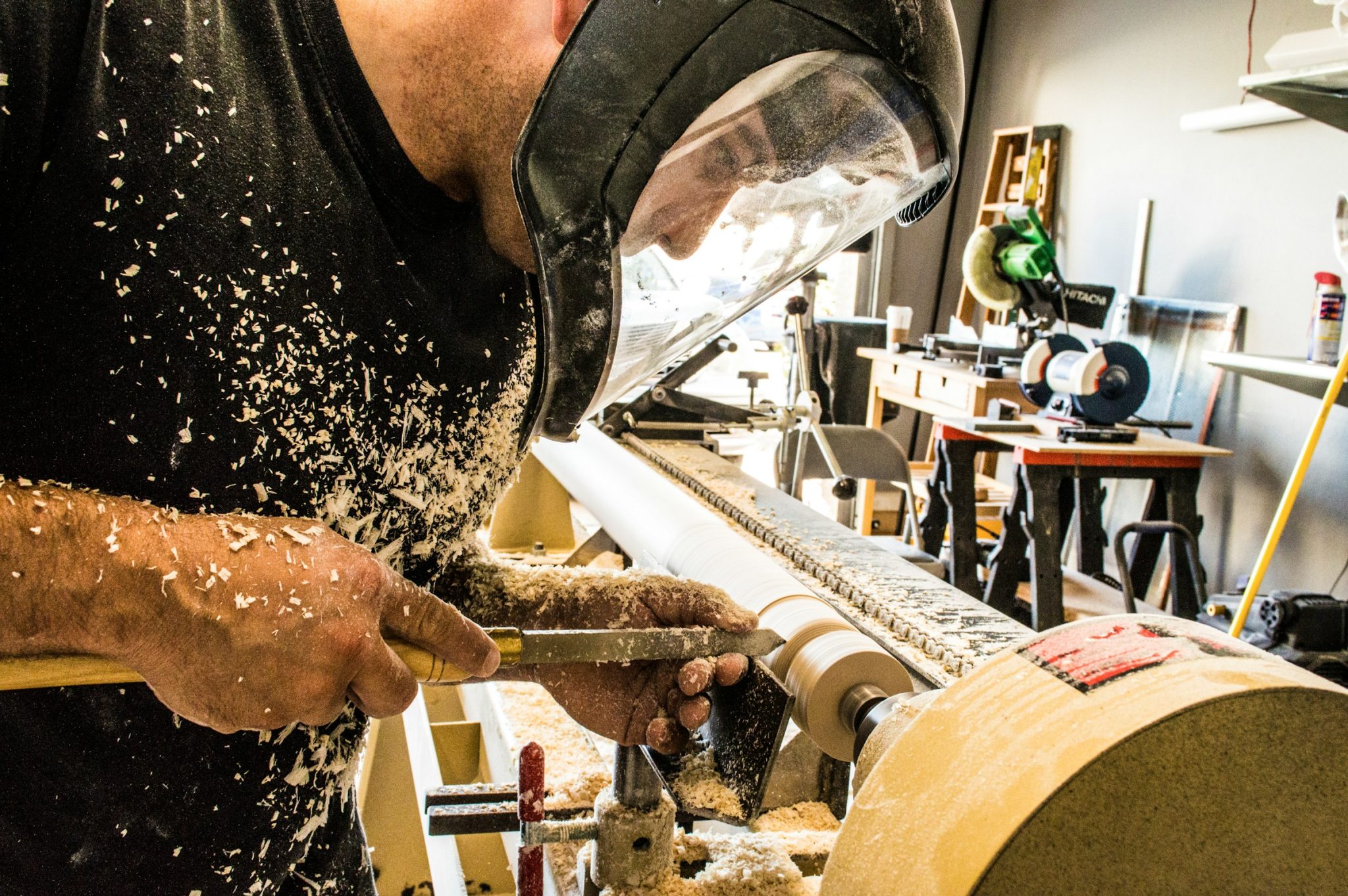
Quality gouges are essential for any woodworker who takes their craft seriously. The right set of chisels makes your work easier, produces cleaner results, and turns carving from a struggle into a genuinely rewarding process. Start with a versatile beginner set, keep your edges sharp, and match your gouge selection to the work at hand. Your projects will show the difference immediately.


