
If you drive around any major city today, you’ll notice that there are a lot of electric vehicles around. But why are so many people buying these, and why are they starting to dominate new car sales compared to conventional internal combustion engine vehicles?
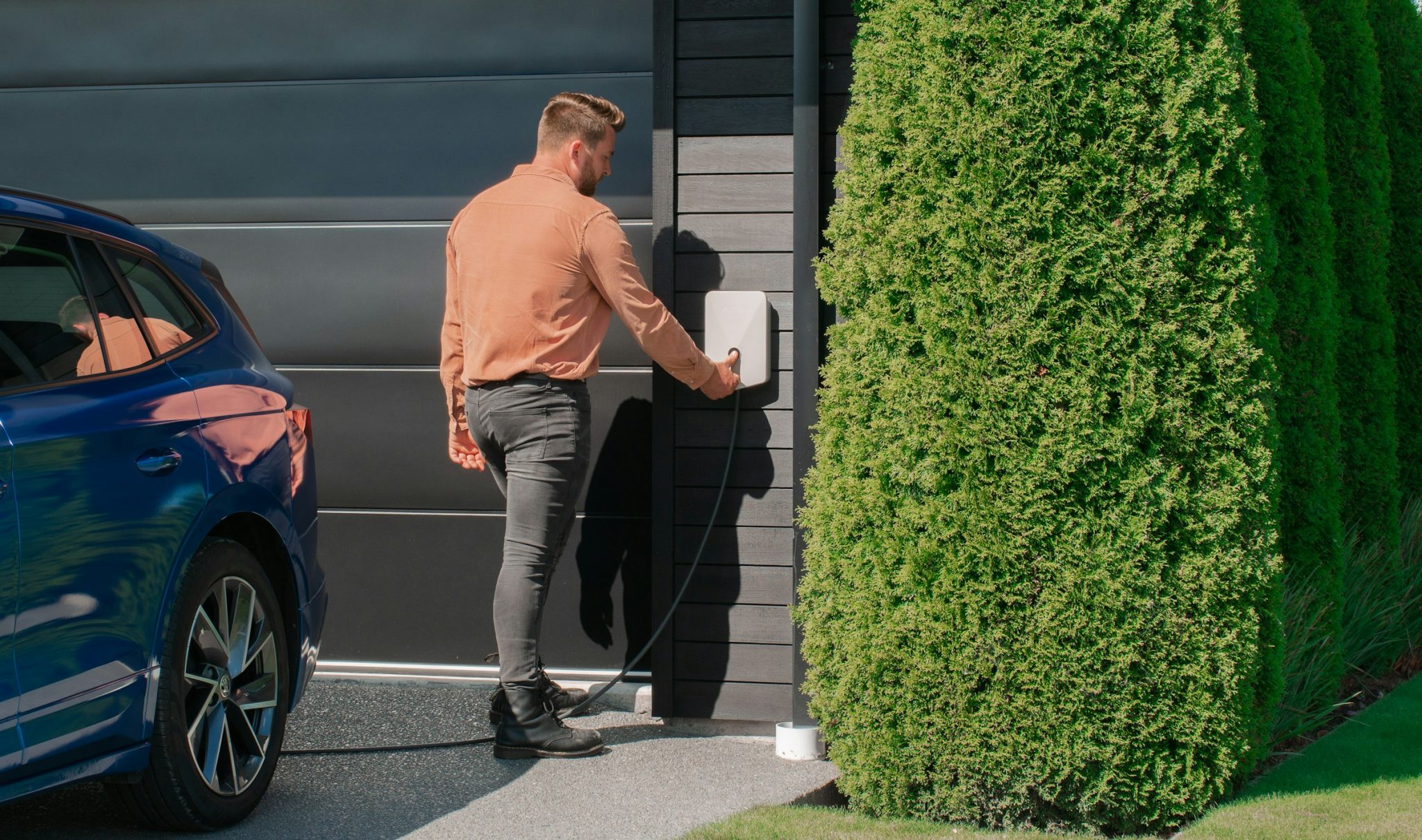
That’s what we explore in this post. We look at how owning electric vehicles is supercharging people’s lifestyles and helping to make them more sustainable at the same time.
Savings on fuel
The savings on fuel may be the main reason. A lot of drivers opt for electric vehicles over conventional gasoline cars. The annual savings on fuel are usually around 25% compared to running a regular internal combustion engine vehicle, which at 15,000 miles per year can equate to around $600-$700.
Home charging isn’t free. It costs around $1-$2 per equivalent gallon, but it is still significantly less than going to the pump. Electric vehicles also have about 3-4 times the efficiency meaning that they produce far less CO2 even if they derive their energy from a fossil fuel burning power plant.
This article on the cost of EV ownership ranked by state might also be a great read.
Savings through tax schemes
The savings associated with electric vehicles also come from various government incentives. For example, The Electric Car Scheme is highly recommended by many employers to save workers money.
These savings through various tax schemes can be quite high. The reason is that they reduce the gross taxable pay through various salary sacrifice mechanisms. It’s also simple to calculate and compute, so even employers with modest finance teams can do it.
Superior performance and fun

Electric vehicles are just more fun to drive in general compared to conventional internal combustion engine cars. Their performance is often two or three times higher at the same price point because of the way electric motors work. Direct current from the batteries can be fed to motors giving them higher acceleration without the need for gear changes. And they are smoother and much more efficient in cities, so drivers who are concerned about making noise don’t need to worry.
A lot of vehicles also have regenerative braking, which is where the battery charge is under braking force. Again, this can be a game-changer for a lot of motorists who like the thrill and excitement, but also want practicality.
Growing charging network
If you were to guess how many charging stations there were in the US in 2016, what would you say? The number was close to around 30,000. However, by 2025 that number will be over 200,000, meaning that most locations around the country now have some sort of charging stations for electric vehicles. Plus the electric vehicles themselves are integrated with the charging network with many of them telling drivers where they can go to get their next charge and when they’re running low on battery. In addition, there’s plans by Tesla and all of the other big EV manufacturers to extend the charging network significantly over the next five years so anyone can charge basically anywhere.


