Missouri is evolving rapidly into a must-visit for fans of competition, spectacle, and immersive experiences. From Kansas City’s transformation into a Super Bowl host with a glow-up in infrastructure and fan amenities to St. Louis forging its comeback in professional sports and leveraging its iconic venues, the state is building momentum in sports tourism. New layers—like fan zones, live betting lounges, and event-driven economic impact—are elevating travel appeal. Kansas City’s Super Bowl glow-up, St. Louis’s resurgence, and the rise of sports tourism are now making Missouri one of America’s most dynamic destinations for both fans and travelers.
Kansas City’s Super Bowl Glow-Up
Kansas City has repositioned itself from a regional sports hub into a national event destination, culminating in its glowing Super Bowl credentials. The city is now one of 16 host cities for the 2026 FIFA World Cup, where it will host six matches including one quarterfinal at GEHA Field at Arrowhead Stadium. The anticipated influx is 650,000 visitors with a projected incremental economic impact between $620 million and $650 million.
The Truman Sports Complex houses both GEHA Field at Arrowhead, home of the Chiefs, and Kauffman Stadium, home of the Royals. To support mega-events, Kansas City and local stakeholders have invested heavily in infrastructure, traffic flow, transit systems, and fan access corridors around the complex. The rise of large-scale events, including Super Bowls and World Cup matches, has positioned the city among the country’s premier sporting destinations.
Kansas City’s glow-up is not just about football or soccer; the T-Mobile Center, formerly the Sprint Center, is a multipurpose arena that seats 18,972 for basketball, 17,297 for arena football, and 19,252 for concerts. It has hosted UFC events such as UFC on ESPN: Machado Garry vs. Prates in April 2025, along with professional wrestling and PBR team competitions. Alongside these venues, Kansas City’s investment in fan zones, premium club spaces, and interactive areas has redefined the experience for both residents and travelers.
The regional media network, FanDuel Sports Network, Kansas City, holds broadcasting rights to the Kansas City Royals and produces Royals Live and Royals Insider. This level of sports media infrastructure enhances exposure, deepens fan engagement, and strengthens Missouri’s reputation as a thriving sports tourism hub.
St. Louis’s Sports Comeback
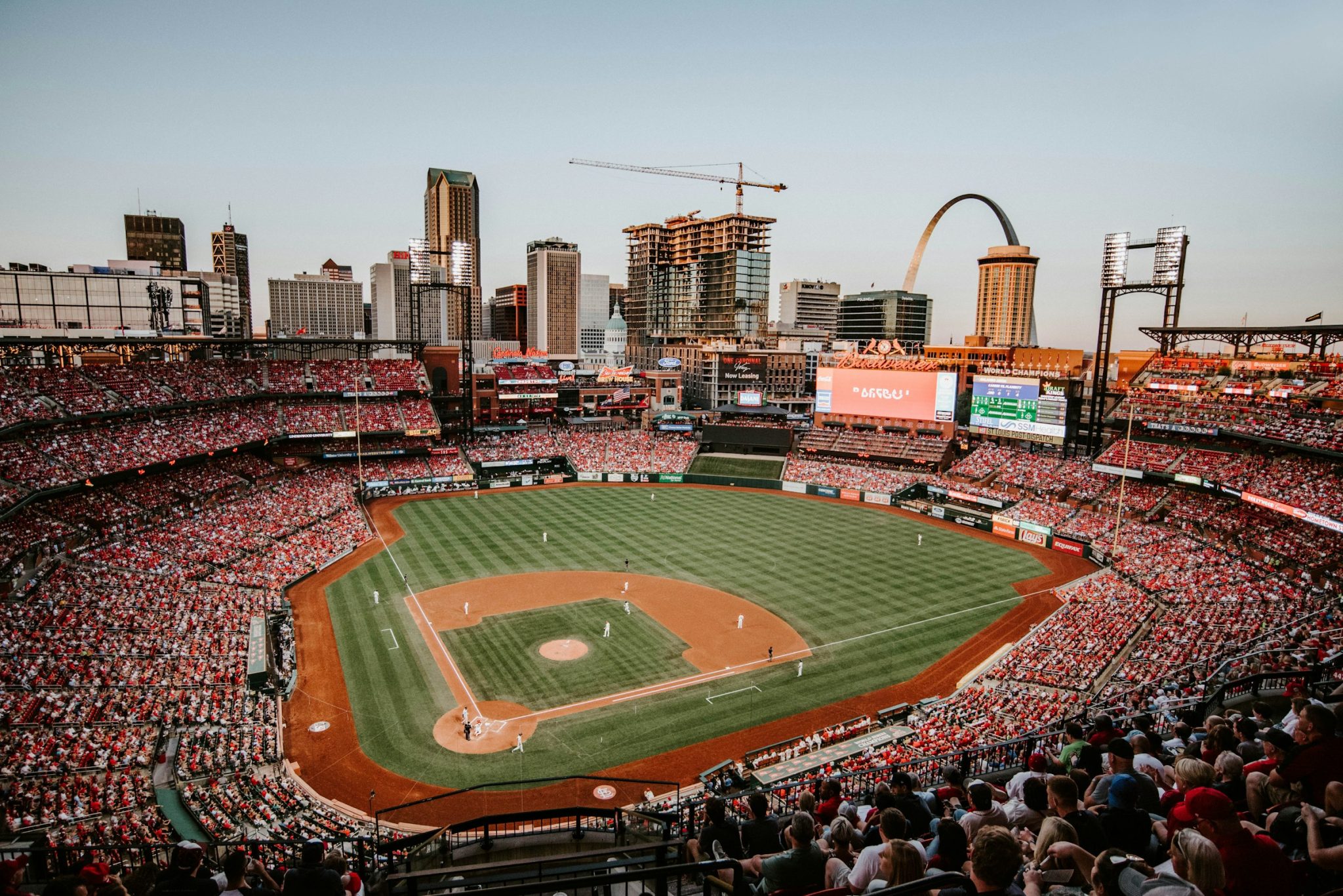
St. Louis is experiencing a major sports resurgence, blending its historical legacy with new franchises and partnerships. The Dome at America’s Center, built in 1995 and renovated in 2009, 2010, and 2024, seats up to 67,277 for football events. After the Rams departed in 2015, the stadium remained underused, but the arrival of the St. Louis Battle Hawks of the XFL and UFL reignited professional football. In 2023, the home opener drew 38,310 fans—an XFL record—prompting the reopening of upper terraces and decks. The Dome also hosted the 2024 UFL Championship Game with 30,237 attendees and the 2025 XFL Conference Championship with 27,589 attendees, proving St. Louis’s renewed status as a football city.
The St. Louis Sports Commission and the University of Missouri partnered for the “Mizzou to the Lou” series, returning Mizzou football to the city. In September 2023, Missouri faced Memphis at the Dome in front of 45,085 fans, securing a 34–27 victory. This series highlights collegiate athletics while driving tourism and connecting fans across the state.
St. Louis’s athletic history runs deep—11 World Series titles by the Cardinals, multiple hockey championships, and Olympic heritage from 1904. Legendary athletes like Yogi Berra, Jackie Joyner-Kersee, Kellen Winslow, and Helen Stephens solidify Missouri’s place in sports history. Local rivalries between the Cardinals and Royals, Chiefs and former Rams, and Sporting Kansas City and St. Louis City SC create statewide passion that fuels tourism.
Complementing major events, Busch Stadium tours, the Cardinals Hall of Fame Museum, and nearby attractions like Gateway Arch contribute to fan-centered tourism. Event weekends featuring the Battle Hawks or Mizzou football merge sports, culture, and hospitality, revitalizing St. Louis as a must-visit sports destination.
Growing Sports Tourism Across Missouri
Missouri’s transformation into a sports tourism powerhouse goes beyond Kansas City and St. Louis. Smaller cities like Columbia and Cape Girardeau are driving growth through events and upgraded facilities.
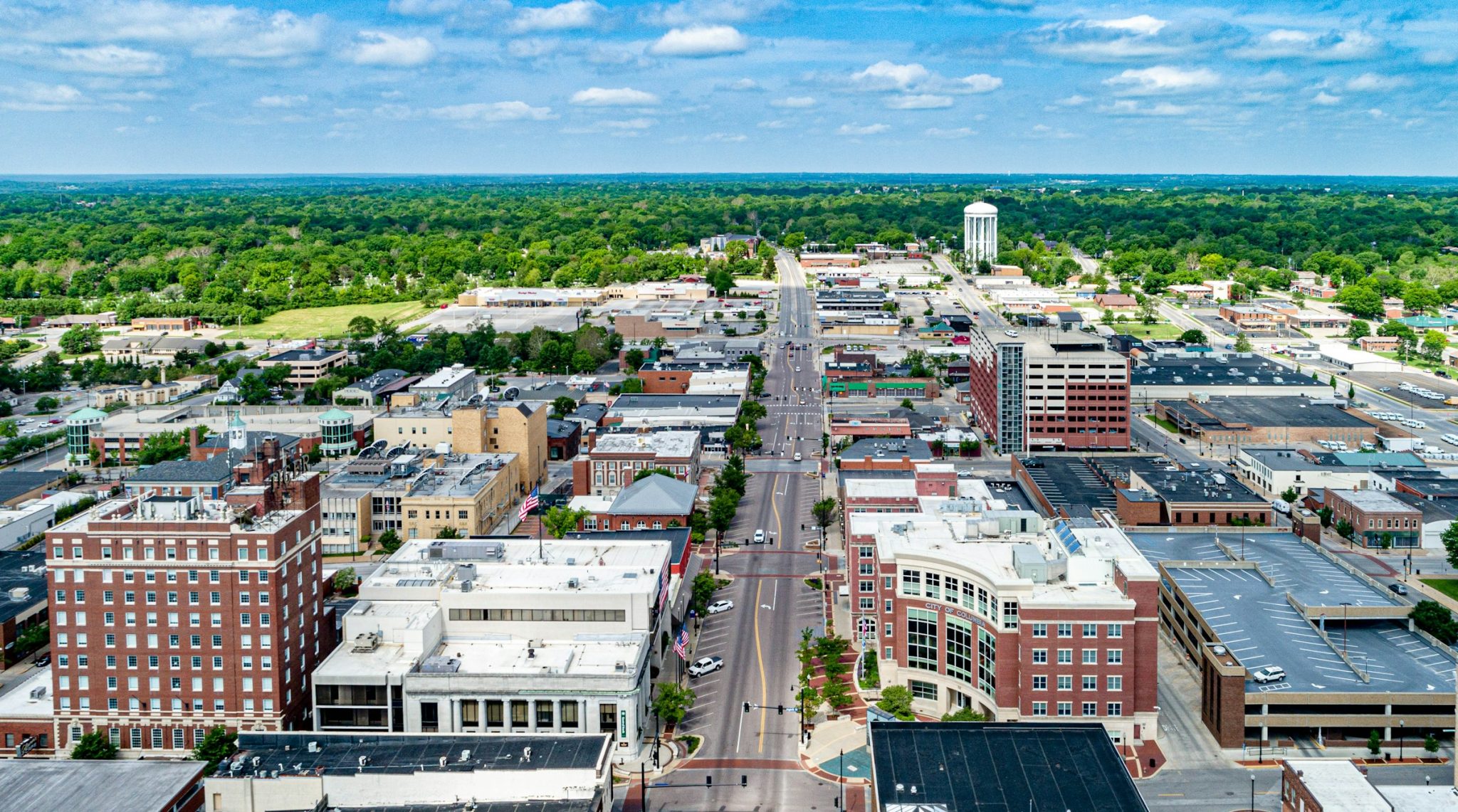
Columbia hosts national and state championships in cross country, wrestling, and basketball. From fall 2024 onward, these events generated $4.5 million in local economic impact through hotels, dining, and retail. Across 2024, Missouri recorded at least $16 million in total sports-related revenue. The upcoming 2025 PDGA Amateur Disc Golf World Championship, scheduled for August 19–23, expects 346 players and thousands of spectators.
Cape Girardeau is expanding the Shawnee Park Sports Complex, adding five artificial turf baseball and softball fields, two new soccer fields, and enhanced amenities to host larger regional tournaments.
The state’s six professional teams—three in Kansas City and three in St. Louis—anchor Missouri’s tourism economy. These include the Kansas City Chiefs, Royals, and Sporting KC, and the St. Louis Cardinals, Blues, and City SC. Their success stories inspire visitors to travel across the state, attend games, and take part in stadium tours and fan events.
Economic projections show that Kansas City alone expects more than $695 million in revenue tied to World Cup-related activities. The Missouri Partnership emphasizes that professional sports now serve as drivers for job creation, infrastructure investment, and sustained growth in hospitality and retail.
Missouri’s cultural footprint extends through institutions like the Negro Leagues Baseball Museum in Kansas City, featuring over 10,000 artifacts and exhibits celebrating legends such as Satchel Paige, Jackie Robinson, and Buck O’Neil. The Missouri Sports Hall of Fame in Springfield, established in 1994, spans 32,000 square feet and shows more than 4,000 pieces of memorabilia that chronicle the state’s athletic heritage.
Fan Zones, Lounges, and Betting Integration
Modern sports travelers want experiences beyond the game itself. Missouri has embraced this shift through fan activation zones, live betting lounges, and interactive experiences that enhance engagement.
Around major stadiums in Kansas City and St. Louis, fan areas host live music, food vendors, viewing screens, sponsor activations, and interactive games. These spaces attract both locals and visitors, even on non-game days, sustaining activity and energy throughout the year.
With legal sports betting set to launch in Missouri by December 1, 2025, venues are preparing to introduce live betting lounges and sportsbook kiosks inside stadiums and nearby entertainment districts. Licensed operators—DraftKings, FanDuel, bet365, BetMGM, Caesars, ESPN BET, and Fanatics—are preparing for online and retail operations. The legalization process, approved through Amendment 2 with 1,478,652 votes for 1,475,691 against, opens a new era for fan engagement.
Missouri’s first-year betting handle is projected at $3.4 billion, surpassing Kansas’s 2024 handle of $2.5 billion. Up to 14 licenses will be issued, allowing mobile and retail sportsbook operations across the state. Fanatics Sportsbook has partnered with Ameristar Casino Kansas City and Ameristar St. Charles, while ESPN BET is setting up retail sportsbooks at Argosy Riverside, River City Casino, and Hollywood Casino St. Louis. As sports tourism booms, betting sites in Missouri offer travelers a way to engage with games while enjoying the state’s vibrant event scene. Fans will soon be able to place wagers directly from their seats or nearby lounges, adding an interactive thrill to the live event atmosphere.
Challenges and Forward Momentum
Missouri’s rise as a sports tourism hub brings new challenges alongside opportunities. Infrastructure and transportation systems must keep pace with mega-event demands, particularly around Kansas City’s Truman Sports Complex and St. Louis’s Dome area.
Regulatory frameworks for sports betting need timely implementation to maintain momentum ahead of the December 2025 launch. Smaller cities like Columbia and Cape Girardeau must continue to expand lodging and marketing to retain overnight visitors. To stay competitive, Missouri must innovate fan experiences—offering premium suites, immersive technology, augmented reality, and hospitality packages that connect sports with local culture.
Final Thoughts
Missouri’s evolution into a premier destination for sports and entertainment is built on momentum, modernization, and fan connection. Kansas City’s Super Bowl-level upgrades, St. Louis’s revival through the Dome and college partnerships, the economic lift from statewide tournaments, and the introduction of live betting lounges all contribute to a thriving sports tourism ecosystem. As legalization takes effect, gaming in Missouri will transform how visitors engage with every game, event, and celebration. The Show-Me State is showing the world why it is now one of the top travel destinations for sports and entertainment in America.