
An old car parked in the driveway often feels harmless. Many people keep vehicles long after they stop running, hoping to repair them someday, or are simply unsure what to do with them.

Over time, the car becomes part of the background, quietly occupying space while life moves on.
However, unused vehicles are not as harmless as they appear. Cars contain fluids, metals, plastics, and chemical components that slowly degrade when left idle.
Over time, these materials can leak, corrode, and cause environmental issues that most homeowners never consider.
Beyond taking up space, an unused car can contaminate soil, waste recyclable materials, and contribute to pollution. Understanding these hidden impacts highlights why letting an old vehicle sit indefinitely is rarely the best option.
What Happens To A Car When It Stops Being Used
Vehicles are designed to operate regularly. Engines circulate fluids, seals stay lubricated, and mechanical components move frequently. When a car is no longer driven, its systems begin to deteriorate.
Rubber hoses and gaskets dry out and crack. Moisture accumulating in metal parts encourages rust. Batteries corrode and may begin leaking chemicals. Even the fuel inside the tank gradually breaks down.
Common problems that develop in idle vehicles include:
- Oil leaks from weakened engine seals
- Transmission fluid escapes through worn gaskets
- Rust forms on brake components and metal panels
- Battery corrosion releases harmful substances
- Fuel degradation inside the tank
These problems often develop slowly. A small leak may go unnoticed for months, yet over time, the contamination spreads into the surrounding soil or driveway surface.
The Environmental Risk Of Automotive Fluids
One of the most significant environmental risks associated with abandoned or unused vehicles involves automotive fluids. Modern cars rely on several types of liquids that can become pollutants if they escape their sealed systems.
Motor oil is particularly harmful when released into the environment. Even small amounts can contaminate large quantities of soil and water.
Transmission fluid and brake fluid also contain chemicals that can damage ecosystems if they enter the ground.
Coolant, commonly known as antifreeze, presents another danger. It often contains ethylene glycol, a toxic chemical that can harm animals and wildlife if ingested. Leaks from an old vehicle may attract pets or wildlife due to its sweet smell.
Rainwater can make the problem worse. When rainfall hits a driveway where a vehicle has leaked fluids, it can wash those contaminants into stormwater drains.
In many areas, these drains lead directly to rivers, lakes, or coastal waters without filtration.
Over time, a neglected car can quietly release pollutants that affect far more than the immediate driveway.
Why Old Vehicles Represent A Major Recycling Opportunity
While unused vehicles can pose environmental risks, they also contain valuable materials that can be recovered through recycling. In fact, cars are among the most recyclable consumer products.
A typical vehicle includes large quantities of steel and aluminum, along with copper wiring, plastics, glass, and rubber. When dismantled properly, these materials can be separated and reused in manufacturing.
Recycling metals is especially beneficial for the environment. Producing steel or aluminium from recycled sources requires significantly less energy than creating them from raw ore.
This means fewer greenhouse gas emissions and reduced environmental disruption from mining operations.
Professional recycling facilities also manage hazardous materials safely. Fluids are drained and processed according to environmental standards, while batteries and electronic parts are handled carefully to prevent contamination.
Instead of letting these resources deteriorate in a driveway, recycling allows them to return to productive use.
The Hidden Resource Value Inside End-of-Life Vehicles
Many people underestimate the value stored inside an old vehicle. Even cars that no longer run contain components that remain useful.
Catalytic converters contain precious metals such as platinum, palladium, and rhodium. Engines and transmissions hold large amounts of recyclable steel and aluminium. Car batteries can be processed to recover materials used in new batteries.
Other parts also have recycling potential:
- Tires can be converted into rubber products used in construction
- Plastics from dashboards and interior panels can be reused
- Metal body panels can be melted and repurposed
Allowing an old car to sit unused means these materials are effectively wasted. Responsible recycling helps ensure they are recovered and reused rather than left to deteriorate.
Responsible Disposal Is Easier Than Most People Think
Many homeowners postpone dealing with an old vehicle because they assume the process will be complicated. Concerns about paperwork, transport, or disposal costs often lead to delays.
In reality, removing an end-of-life vehicle is usually straightforward. Recycling and dismantling services are specifically designed to handle cars that are no longer roadworthy.
These services ensure fluids, batteries, and other hazardous materials are removed safely.
If the vehicle is no longer usable, you may decide to sell your car for scrap, which allows the vehicle to be dismantled and recycled properly while freeing up space on your property.
This approach helps recover valuable materials while preventing environmental risks associated with long-term storage.
Taking action sooner rather than later can prevent leaks and reduce the environmental impact of a deteriorating vehicle.
The Environmental Benefits Of Recycling Old Vehicles
Responsible vehicle recycling creates several environmental benefits. First, hazardous fluids are removed before they can contaminate soil or waterways.
Trained technicians handle these substances safely and in compliance with environmental regulations.
Second, recycling reduces the demand for new raw materials. Mining metals requires significant energy and can damage natural habitats. Using recycled materials helps reduce that environmental pressure.
Third, recycling lowers greenhouse gas emissions. Producing metals from recycled sources requires much less energy than manufacturing them from raw ore.
When thousands of vehicles are recycled each year, these savings contribute to a more sustainable manufacturing system.
Simple Signs It May Be Time To Let An Old Car Go
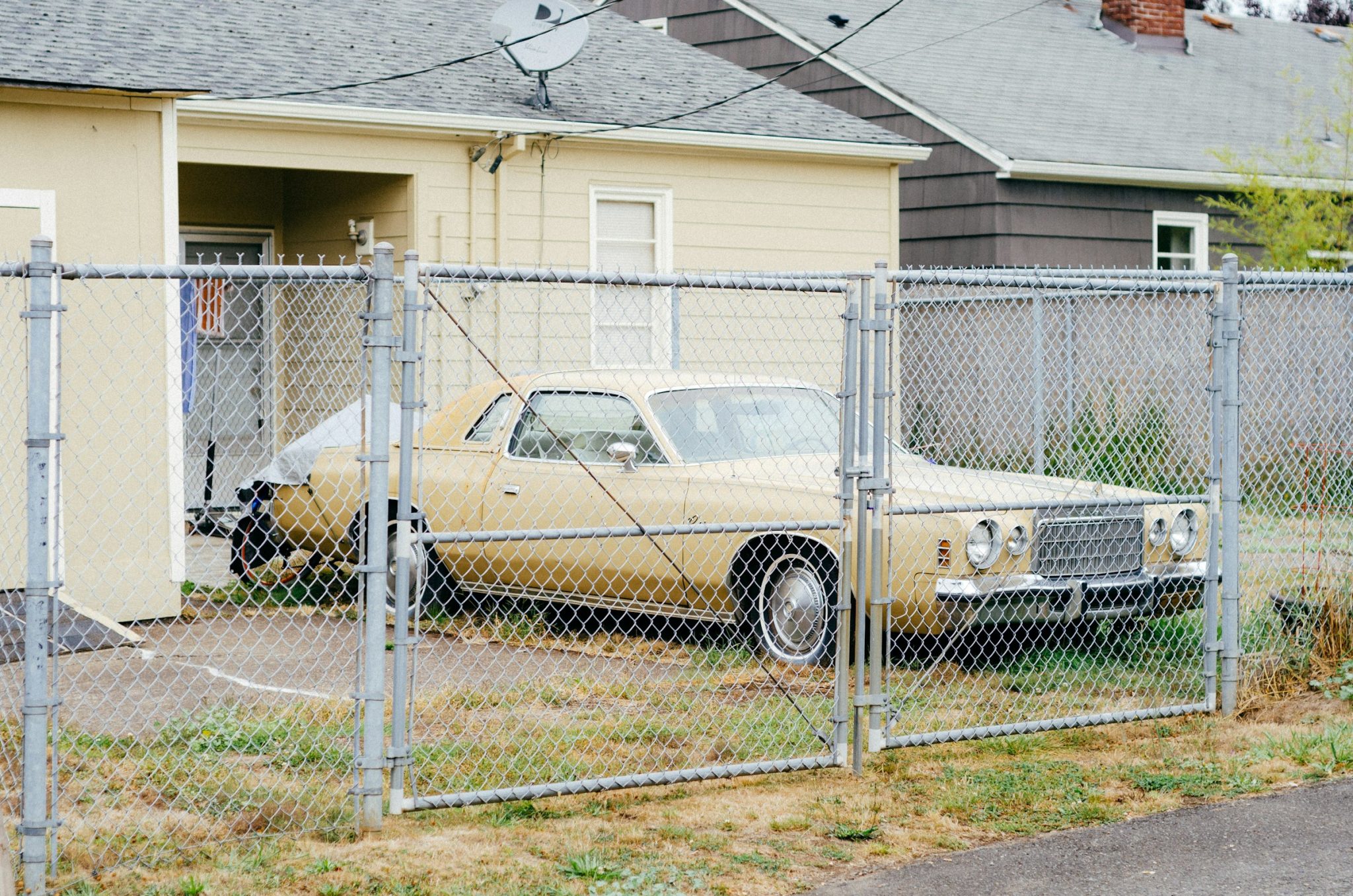
Sometimes the most difficult step is recognising when a vehicle has reached the end of its useful life. Many owners keep old cars longer than necessary because they hope repairs will eventually happen.
A few signs often indicate it may be time to move on:
- The vehicle has not been driven for a year or more
- Repair costs are higher than the vehicle’s value
- Rust and deterioration are spreading
- Fluids are leaking beneath the car
- The vehicle is no longer safe to drive
Addressing the situation early prevents environmental risks and removes unnecessary clutter from the property.
Conclusion: Small Decisions That Make A Real Environmental Difference
An old car sitting in the driveway might seem harmless, but over time, it can contribute to pollution, resource waste, and environmental damage.
Leaking fluids, corroding components, and unused recyclable materials all add to the hidden cost of leaving vehicles idle.
Recycling end-of-life vehicles ensures that hazardous substances are handled safely while valuable materials are recovered and reused.
Sometimes protecting the environment begins with simple decisions at home, such as what to do with a car that has reached the end of its life.


